The enduring legacy of Mary Shelley’s Frankenstein finds a profound and stylish new interpretation in the hands of director Maggie Gyllenhaal. Stepping firmly into the director’s chair for her latest feature, Gyllenhaal moves beyond the traditional tropes of horror, crafting an ambitious gothic narrative that reimagines the 1935 classic Bride of Frankenstein through a distinctly modern, psychologically intricate lens. Set amidst the moody, atmospheric landscape of 1930s Chicago, the film promises more than just a monster story; it is a layered exploration of autonomy, the pain of isolation, and the complex nature of human creation. By blending romance, social upheaval, and crime, Gyllenhaal elevates the material into a poignant, stylized meditation on identity, positioning the titular Bride as a disruptive and revolutionary force within an unforgiving moral landscape.
A Fresh Perspective on a Literary Classic
While the foundations of the film draw inspiration from the 1818 novel Frankenstein; or, The Modern Prometheus and its subsequent cinematic iterations, Gyllenhaal’s approach is notably distinct. By reframing the tale within the specific historical and aesthetic context of the 1930s, the director infuses the narrative with a sense of noir-inspired gravity. This choice moves the project away from high-school-literature nostalgia, grounding it in a time of social transition that mirrors the internal conflicts of its characters.
Gyllenhaal’s directorial signature is characterized by her ability to unearth deep emotional resonance within genre frameworks. In this retelling, the focus shifts from the spectacle of the monster to the philosophical implications of being created. By prioritizing the internal life of the characters over simple frights, the film invites viewers to consider the burden of existence and the desperate, universal human need for companionship in a world that often denies it.
An Unparalleled Ensemble Cast
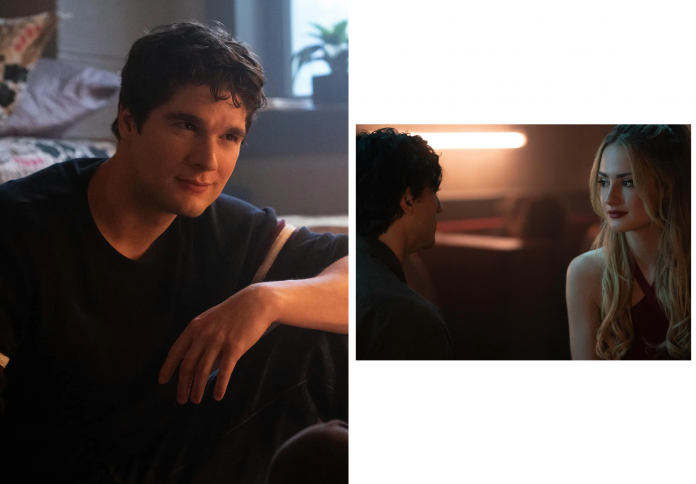
The production boasts an ensemble that reads as a masterclass in contemporary acting, featuring a deliberate mix of powerhouse performers and nuanced character actors. Jessie Buckley leads the project as the Bride, bringing an intensity and range that promises to anchor the film’s central conceit. Opposite her, Christian Bale inhabits the role of Frank, the monster, tasked with articulating the vulnerability and longing inherent in his quest for a partner.

Beyond the leads, the supporting cast is equally formidable. Peter Sarsgaard joins as Jake Wiles, while industry icons Annette Bening and Penélope Cruz round out the core ensemble as Dr. Euphronious and Myrna Mallow, respectively. The inclusion of Jake Gyllenhaal, Julianne Hough, and a host of other respected talents suggests a narrative world that is densely populated and psychologically rich, where every character serves a vital function in the film’s thematic exploration.
Plotting a Path of Radical Disruption
At its narrative heart, the film begins with a poignant request: the monster, weary of his singular existence, entreats Dr. Euphronius to craft a companion. The resulting resurrection of a murdered woman to serve as “the Bride” acts as the catalyst for the story’s descent into conflict. However, rather than adhering to a predictable script, the film posits the Bride as a catalyst for seismic change.
Her presence in 1930s Chicago creates a ripple effect that extends far beyond the personal realm. As she navigates her newfound life, her journey triggers both romantic entanglements and immediate pushback from the rigid structures of law enforcement and society. By positioning her as a figure of defiance, Gyllenhaal highlights the friction between the individual’s right to self-definition and the societal urge to control, label, or discard what it does not understand.
The Aesthetic of Modern Gothic
Visually and tonally, the production aims to stand apart from the recent wave of monster-themed projects. Gyllenhaal utilizes the gothic aesthetic not as a mask, but as a mirror to the societal pressures of the era. The choice of a 1930s backdrop allows for a sophisticated visual language that juxtaposes the stark, dark streets of Chicago with the fluid, evolving identity of the Bride herself, creating a compelling sensory experience that feels both vintage and urgent.
This project sits at the intersection of prestige cinema and mythic reinvention, signaling Gyllenhaal’s growing command of large-scale storytelling. By treating the Frankenstein lore as a flexible vessel for contemporary concerns—specifically those surrounding agency and autonomy—the film demands a more thoughtful engagement from its audience. It is a work that values the interiority of its subjects, challenging the viewer to look past the “monster” and confront the humanity at the core of the creation.
A Highly Anticipated Cinematic Arrival
The anticipation surrounding the release of this film reflects its status as a major cultural event. With its sophisticated blend of historical grit, literary prestige, and high-wattage performances, the project has solidified its place as a key contender in the upcoming awards season. Audiences and critics alike are waiting to see how Gyllenhaal’s specific brand of intimacy translates to a broader canvas, especially following the discourse generated by previous iterations of this classic tale.
Scheduled for a theatrical release on March 6, the film is poised to capture the public imagination with its bold reinterpretation of a storied myth. It stands as a testament to the fact that, even after two centuries, the story of the creator and the created remains a potent, unfinished conversation. As it nears its premiere, the focus remains on whether this modern take will define its own legacy as firmly as the versions that came before it.