Throughout her illustrious career, Penélope Cruz has transcended the traditional boundaries of acting to become a definitive fashion icon, seamlessly merging character development with high-fashion artistry. From her breakthrough performances in the 1990s to her modern status as a muse for luxury houses like Chanel, her on-screen presence is inextricably linked to the transformative power of costume. Whether portraying the volatile, passionate women in Pedro Almodóvar’s vibrant narratives or the poised, enigmatic figures of Hollywood thrillers, Cruz brings a visceral, human quality to every silhouette she wears. Her career serves as a masterclass in how cinematic fashion can elevate a story, proving that a costume is never merely fabric, but a vital instrument in the actor’s toolkit that shapes identity, vulnerability, and sheer, undeniable presence.
The Almodóvar Aesthetic: Color and Volatility
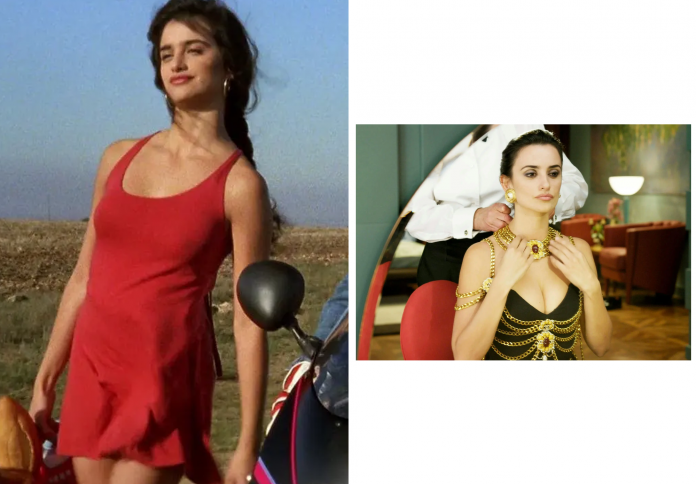
Central to Cruz’s fashion legacy is her long-standing collaboration with director Pedro Almodóvar. Their partnership, which spans decades, has produced some of the most visually arresting fashion moments in modern cinema. In films like Volver and Broken Embraces, the costume design—often characterized by saturated hues, figure-hugging silhouettes, and a sense of “lived-in” glamour—perfectly complements the intense emotional landscapes of his protagonists. Cruz’s ability to inhabit these roles, whether in a simple, tight-fitting dress or a more elaborate period piece, showcases her unique talent for making the most theatrical costumes feel like an authentic extension of her character’s inner life.
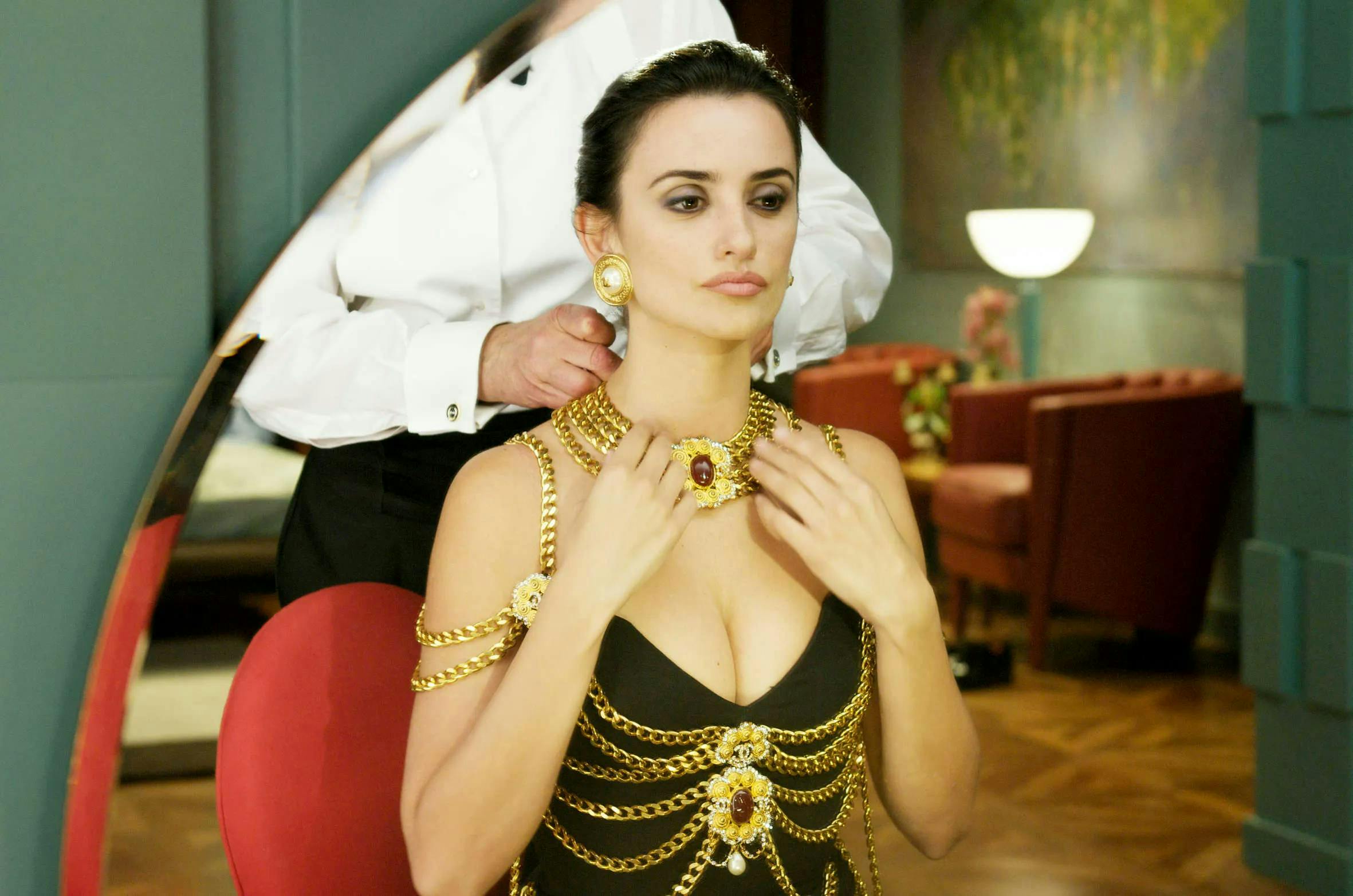
This aesthetic is not just about the clothes themselves, but how Cruz inhabits them. In Volver, her use of padded curves and classic 1950s-inspired cuts created a visual language of resilience and maternal power. In Broken Embraces, her wardrobe served as a glamorous, noir-infused homage to a bygone era of cinematic elegance. These collaborations remain a high-water mark for the intersection of fashion and film, highlighting how Cruz uses the visual language of dress to communicate the complex, often contradictory layers of the women she portrays, from grief-stricken vulnerability to unbridled strength.
Hollywood Transitions: From Noir to High Glamour
As Cruz expanded her career into Hollywood, her on-screen wardrobe evolved to reflect the diversity of her roles. In thrillers and dramas such as Vanilla Sky and Nine, the costume design shifted toward more contemporary, highly stylized, and sometimes surreal aesthetics. These projects allowed her to experiment with a different kind of fashion narrative—one that focused on status, mystery, and the “femme fatale” trope. Whether she was styled in avant-garde monochromatic pieces or intricate, period-correct ensembles, Cruz consistently maintained a level of poise that grounded even the most heightened fashion choices, solidifying her reputation as an actress who could carry a couture-level garment with effortless, cinematic authority.

The transition to Hollywood also showcased her versatility. In Nine, a film explicitly centered on the spectacle of performance, her musical numbers were defined by lush, performance-heavy costumes that leaned into the sensuality and artifice of the stage. Her ability to pivot from the raw, grounded realism of her Spanish-language work to the high-gloss production design of large-scale American features illustrates a rare, adaptive fashion intelligence. It is this chameleon-like quality that has kept her relevant as both a dramatic force and a fashion inspiration, ensuring that her filmography is as much a visual archive of style as it is a body of work.
A Modern Muse of Timeless Elegance
In recent years, Cruz’s fashion trajectory has entered a phase of refined, timeless elegance, heavily influenced by her role as a brand ambassador for Chanel. In films like Parallel Mothers, her wardrobe—often understated, minimalist, and meticulously tailored—reflects a move toward a more mature, contemplative style of dressing. This shift demonstrates her ability to communicate depth through simplicity, where the absence of ornamentation allows the performance to take center stage. This phase of her career highlights a confident, self-assured approach to fashion that mirrors the complexity of the roles she now pursues.

Ultimately, Penélope Cruz’s fashion moments are not merely highlights of a reel, but reflections of her evolution as a woman and an artist. She has navigated the pressure to conform to industry standards by forging her own path, prioritizing collaboration and artistic vision over fleeting trends. Her legacy is one of substance over style, yet it is a style that has undeniably defined generations of cinematic fashion. As she continues to challenge herself with demanding roles, her on-screen wardrobe will undoubtedly remain a crucial component of her storytelling, continuing to inspire designers and audiences alike with its blend of passion, precision, and enduring grace.