The world’s oceans, long seen as an inexhaustible source of food and resources, are facing an unprecedented crisis driven by rampant overfishing. This critical issue, fueled by advances in fishing technology, increased global demand for seafood, and insufficient regulation, has pushed many fish stocks to the brink of collapse. Overfishing occurs when fish are harvested at a rate that exceeds the population’s ability to regenerate, leading to a decline in fish populations, devastating marine biodiversity, and threatening the livelihoods of coastal communities worldwide. Addressing this environmental catastrophe requires urgent, coordinated global action to implement sustainable fishing practices, protect vulnerable habitats, and redefine humanity’s relationship with the sea.
The Scope of the Problem: Depleted Stocks and Trawling Damage
The evidence of overfishing is stark and widespread. Scientific assessments indicate that a significant percentage of the world’s commercial fish stocks are currently being fished unsustainably. This includes historically abundant species like bluefin tuna, cod, and haddock, whose populations have plummeted dramatically in recent decades. The rapid technological advancements in the fishing industry, such as large, sophisticated trawlers and electronic fish-finding equipment, have enabled fleets to track and harvest fish with a relentless efficiency that outpaces the natural reproductive cycle of marine life.

A major contributor to ecosystem destruction is bottom trawling, a practice where enormous, heavy nets are dragged along the ocean floor. This indiscriminate method captures everything in its path, including non-target species (bycatch), and physically destroys delicate, slow-growing habitats. Coral reefs, deep-sea corals, and sea sponges—which serve as critical nurseries and shelters for countless marine species—can be annihilated by a single pass of a trawl net. The resulting damage turns vibrant, complex ecosystems into barren underwater deserts, severely compromising the ocean’s ability to recover.
The Ecological Fallout: Bycatch and Trophic Cascades
The ecological damage from overfishing extends far beyond the targeted species, leading to profound disturbances in the marine food web, including the widespread issue of bycatch. Bycatch refers to the non-target marine life accidentally caught and typically discarded by fishing vessels. This waste includes millions of juvenile fish that never reach reproductive age, endangered sea turtles, marine mammals like dolphins and porpoises, and seabirds, all of which are often injured or killed and thrown back into the sea.

Furthermore, removing vast quantities of specific fish species triggers trophic cascades, altering the balance of the entire ecosystem. For instance, the collapse of a top-predator population (like large tuna or shark species) can lead to an unchecked increase in their prey, which in turn causes a decline in the organisms they eat, such as zooplankton or smaller fish. This domino effect fundamentally restructures the ocean environment, often resulting in a less diverse and less resilient ecosystem that is dominated by smaller, faster-reproducing species and occasionally leading to explosive growth in jellyfish or algae populations.
Socio-Economic Consequences and Global Inequality
Overfishing is not just an environmental crisis; it is a profound socio-economic challenge, particularly for the world’s most vulnerable populations. Millions of people, especially in developing coastal nations, rely on fishing as their primary source of protein and income. The depletion of local fish stocks due to both local and foreign large-scale industrial fishing operations directly threatens the food security and livelihoods of these communities.
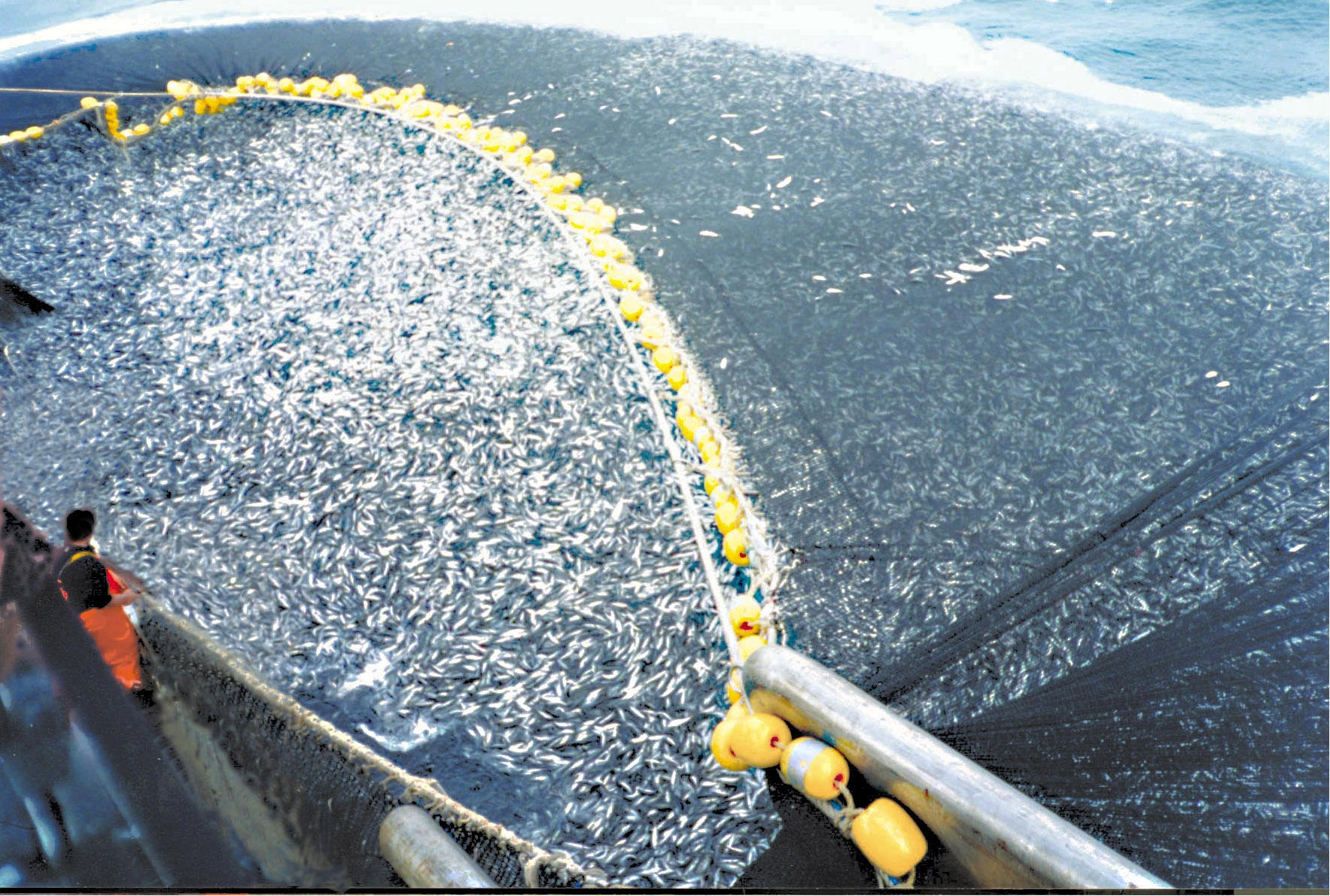
The issue is compounded by illegal, unreported, and unregulated (IUU) fishing, which is estimated to account for a substantial percentage of the global catch. IUU fishing undermines conservation efforts, distorts markets, and robs developing nations of billions of dollars in revenue annually. This illicit activity exacerbates overfishing in weakly regulated waters, creating a cycle of poverty and resource depletion that fuels global inequality and heightens resource conflicts between nations.
Pathways to Sustainability: Protection and Management
Addressing the overfishing crisis requires a multi-faceted approach centered on stronger governance and innovative conservation. A key strategy is the establishment and enforcement of Marine Protected Areas (MPAs)—sections of the ocean where fishing and other extractive activities are heavily restricted or banned entirely. These “no-take” zones allow fish stocks to recover, protecting vital habitats and acting as nurseries that replenish fish populations in surrounding, fished areas (spillover effect).

Equally important are modern, science-based fisheries management policies. This includes implementing catch limits (quotas) that are strictly adhered to, protecting critical spawning grounds and seasons, and using more selective, less destructive fishing gear. Crucially, global regulatory bodies must crack down on IUU fishing through increased surveillance, international cooperation, and port state measures. Ultimately, consumers also hold power: supporting sustainable seafood certification programs and making informed choices about the fish they purchase sends a powerful signal to the industry to adopt responsible practices.