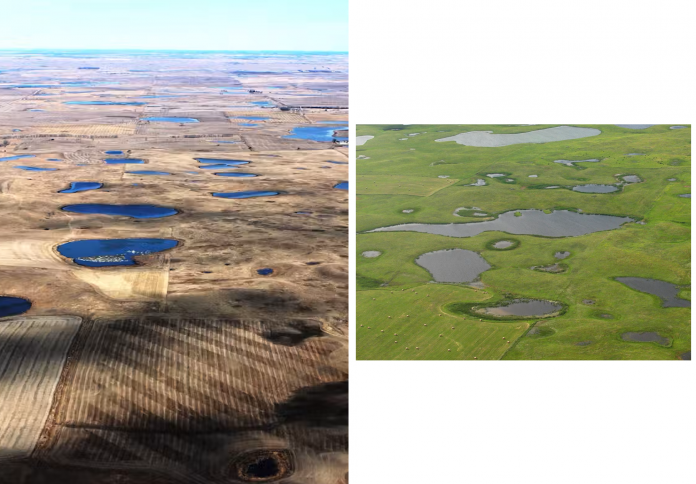
In the expansive, undulating landscapes of the North American prairies, water has historically followed a predictable, seasonal rhythm. Yet, as climate volatility disrupts these ancient cycles, the flow of vital prairie watersheds is becoming increasingly erratic, threatening agricultural stability, biodiversity, and community water security. Traditional hydrological modeling, which relies on historical data to forecast future trends, is proving insufficient in the face of rapid, unprecedented environmental shifts. Enter artificial intelligence: a powerful new frontier in environmental management. By processing massive, complex datasets in real-time, AI is emerging as an indispensable tool for deciphering the chaotic language of water, offering a path toward smarter resource governance in a warming world.
The Collapse of Hydrological Certainty
The prairie watershed—a delicate network of wetlands, rivers, and groundwater—is uniquely susceptible to the “extremes” of our changing climate. Periods of severe, prolonged drought are now punctuated by flash floods that overwhelm existing drainage systems, leading to nutrient runoff and widespread habitat degradation. These systems are highly interconnected; a change in land use or precipitation in one upstream reach can have cascading, catastrophic effects on downstream agricultural yields and urban water supplies.
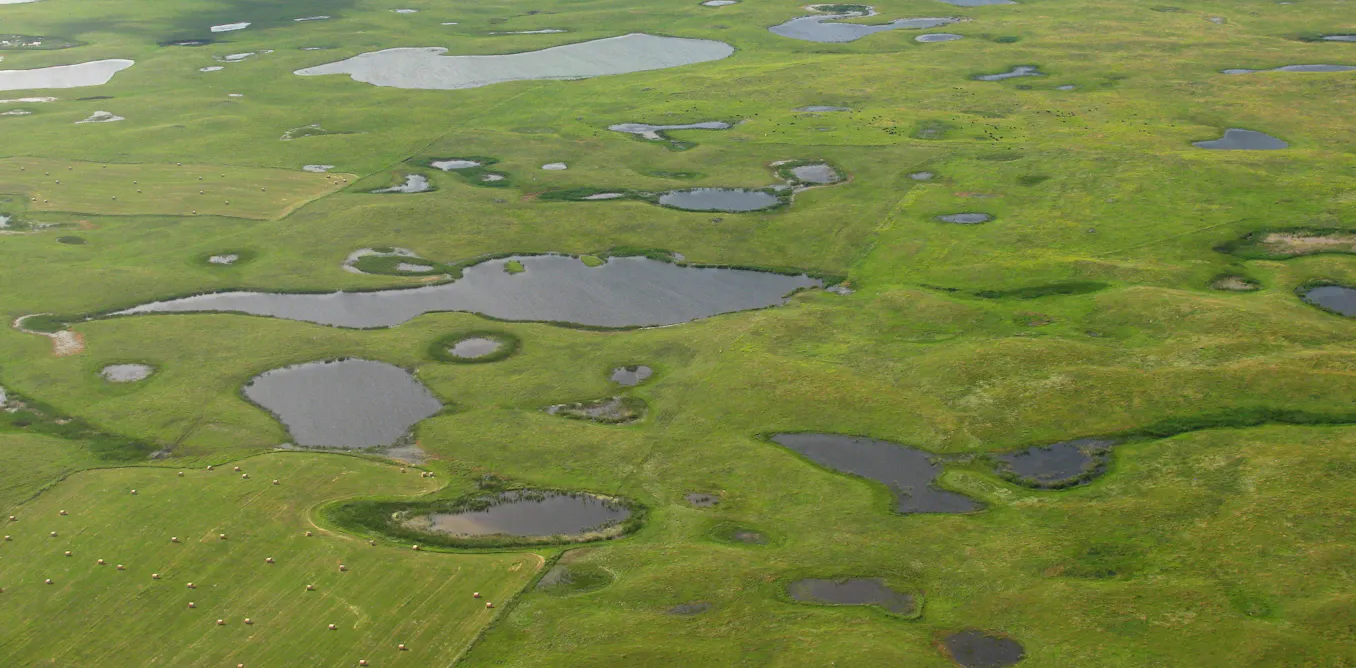
Conventional hydrological models, while robust for stable climates, often fail to capture these “non-linear” dynamics. They struggle to account for the interplay between soil moisture, sudden snowmelt, and the complex human-made drainage networks that crisscross the prairies. As these models falter, managers find themselves making high-stakes decisions based on outdated assumptions, a reality that puts both local economies and natural ecosystems at severe risk. The challenge is no longer just predicting the average flow; it is preparing for the highly unpredictable extremes that define the new normal.
AI: Decoding the Chaos of Water
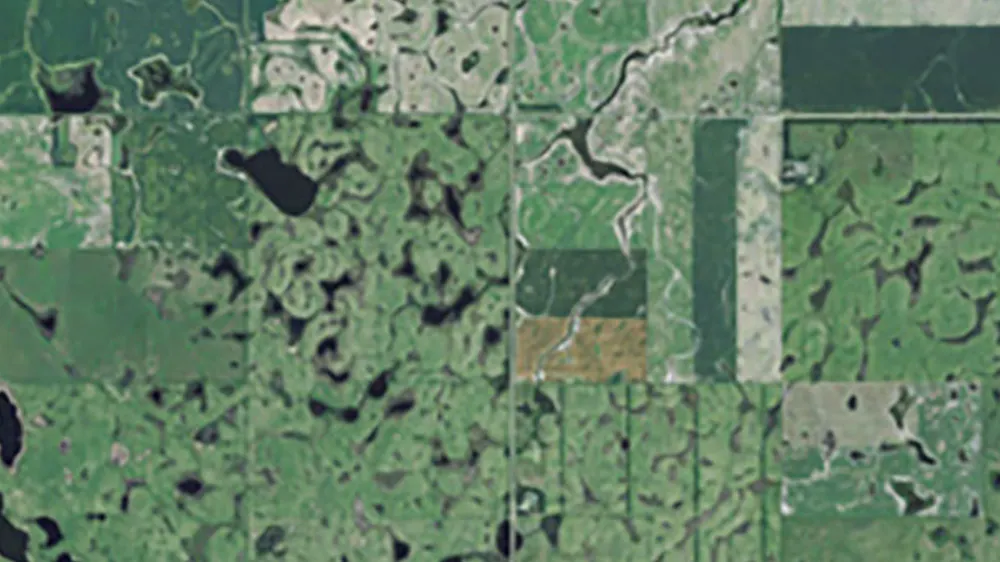
Artificial Intelligence, particularly through machine learning and neural networks, excels where traditional models fall short. By synthesizing data from diverse, disparate sources—satellite imagery, in-situ sensor networks, meteorological forecasts, and historical land-use patterns—AI can identify subtle, underlying relationships that escape the human eye. This allows for the creation of “digital twins” of prairie watersheds, virtual models that simulate the complex hydrodynamics of the landscape under a wide variety of climate scenarios.
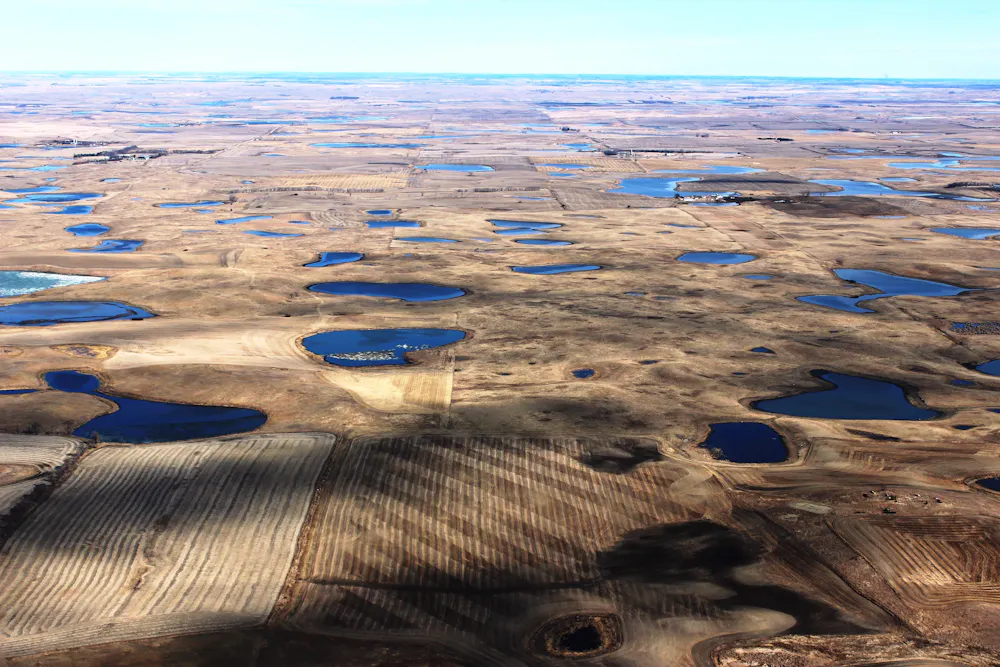
The practical applications are profound. AI-driven predictive systems can provide early warnings for flash floods days in advance, allowing communities to fortify infrastructure and minimize damage. In agricultural management, these models can optimize irrigation schedules to match real-time groundwater availability, preventing waste while ensuring crop health. Perhaps most importantly, AI can assist in “watershed restoration” projects, identifying precisely where the strategic re-introduction of wetlands can best attenuate flood peaks and capture nutrient runoff, effectively leveraging the landscape’s natural biology to solve technical problems.
Governance in the Age of Intelligent Water
Despite the technological promise, the integration of AI into watershed governance remains an uphill climb. The fundamental hurdle is not the technology itself, but the human institutions that manage water. Existing water rights, regulatory frameworks, and inter-jurisdictional agreements are often rigid and slow to evolve, making it difficult to adopt the dynamic management strategies that AI facilitates. Furthermore, there is a persistent “trust gap”; stakeholders, from individual farmers to municipal planners, must be confident that the data-driven insights provided by AI are equitable, accurate, and account for local realities.
To bridge this gap, we must foster a collaborative ecosystem where data science is paired with indigenous knowledge and local community expertise. AI should not be viewed as an omniscient oracle, but as a decision-support tool that empowers local actors to make better, more informed choices. This requires:
- Democratic Data: Ensuring that high-quality, real-time hydrological data is accessible to all stakeholders, not just central government agencies.
- Capacity Building: Investing in the training of local water managers and community leaders so they can interpret and apply AI-generated insights effectively.
- Adaptive Policy: Transitioning away from fixed, long-term water allocation models toward flexible, adaptive policies that can shift in tandem with real-time environmental data.
A Resilient Future
The integration of AI into prairie watershed management is not a panacea for the climate crisis, but it is a critical instrument in our survival toolkit. As we confront a future defined by hydrological volatility, our ability to thrive depends on our capacity to harmonize our built environment with the erratic pulse of the natural world. By embracing the computational power of AI, we can move from a posture of reactive management to one of proactive stewardship, creating resilient landscapes that can weather the storms to come. The goal is clear: to ensure that the prairies remain a source of life and productivity, even as the waters that feed them change.