In a move that surprised travel enthusiasts and residents alike, Hull, Yorkshire, was named one of National Geographic’s “Best of the World” destinations for 2026. For a city that has long occupied the fringes of the national consciousness—often unfairly maligned—this recognition marks a triumphant turning point. By leaning into its 800-year history as a pivotal maritime gateway, Hull has successfully pivoted from a post-industrial narrative to one of cultural resilience and architectural revitalization. As the city prepares to unveil a major multi-million-pound maritime project in 2026, it invites visitors to look past the stereotypes and discover a port city defined by a defiant, laid-back charm and a profound connection to the sea.
A Maritime Renaissance in the Humber Estuary
The catalyst for Hull’s global spotlight is its ambitious Maritime Project, a comprehensive regeneration effort designed to bring its seafaring heritage to the forefront. This initiative culminates in 2026 with the reopening of several key cultural sites, most notably the Hull Maritime Museum. Housed within a regal Grade II-listed former docks office, the museum has undergone a meticulous multi-year refurbishment, re-emerging as a world-class interpretive space that anchors the city’s new heritage trail.
Beyond the museum, the project breathes life into the vessels that once defined the city’s economic might. The 1960s Arctic Corsair cod trawler, often referred to as “Hull’s Cutty Sark,” and the Spurn lightship, a floating lighthouse that once navigated the treacherous waters of the Humber Estuary, have been restored as interactive museum pieces. These sites, connected by a network of multimedia art and public spaces, create a coherent, immersive experience that allows visitors to trace the narrative of a city that was once one of the world’s busiest whaling and fishing hubs.
From Industrial Grit to Cultural Hub
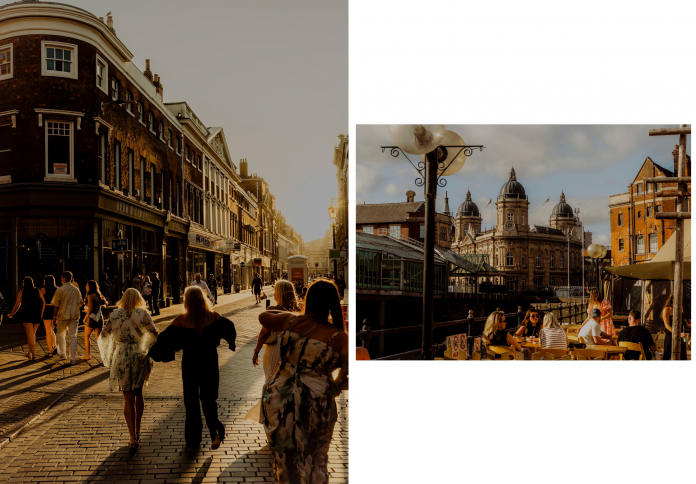
The revitalization of Hull is perhaps best seen in the transformation of its waterfront, particularly the Fruit Market area. Once a neglected district of industrial warehouses, these waterside spaces have been reclaimed as a vibrant, independent heart of the city. Today, Humber Street serves as a bustling artery of local commerce, lined with eclectic, independently owned restaurants, terrace bars, and small art galleries. This “laid-back” energy is central to Hull’s newfound appeal; it is a place where industrial texture meets modern creativity, evidenced by venues like Stage@TheDock, a spectacular performance amphitheatre carved directly into the site of a former shipyard.
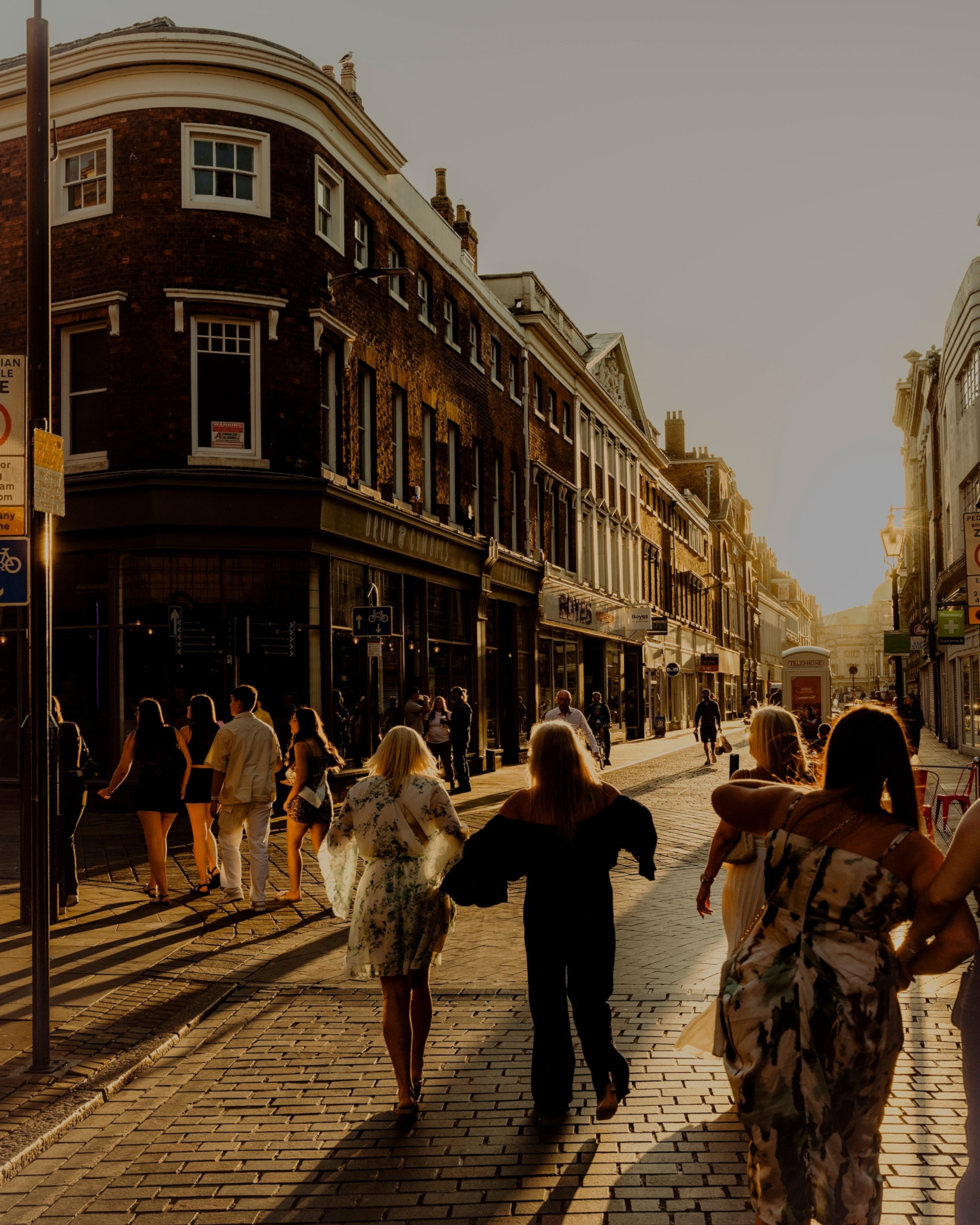
This aesthetic of “reclaimed utility” permeates the city. The cobble-stoned streets of the Old Town, which remained miraculously intact during the Second World War, offer a rare, well-preserved glimpse into Georgian England. These quiet, historic corridors now stand alongside modern conservation-led landmarks like The Deep—one of the UK’s most respected aquariums—creating a city that feels layered, authentic, and profoundly self-assured.
The “Defiant Spirit” of the Yorkshire Coast
What National Geographic identifies as Hull’s “defiant spirit” is the city’s greatest asset. It is a place that refuses to be defined by external metrics or traditional tourist-trail expectations. Visitors find a city that is comfortable in its own skin—a quality that has fostered a surprisingly rich culinary scene, from artisanal bakeries to inventive seafood dining, and a sporting culture defined by a passionate, localized rivalry. For those looking to explore beyond the city, Hull serves as a gateway to the broader, rugged beauty of the East Yorkshire coast, offering a mix of urban exploration and rural escape.
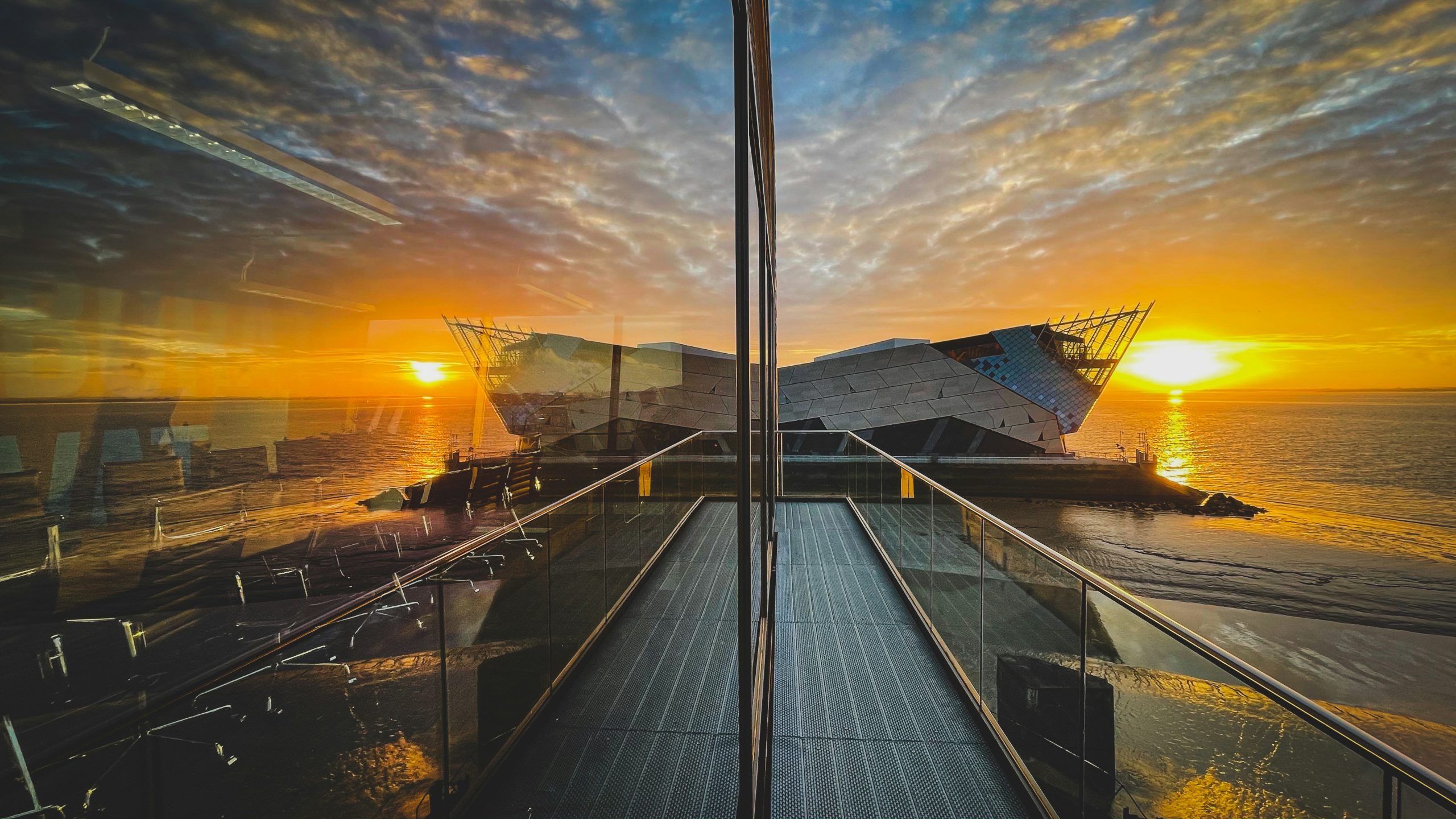
As Hull steps into 2026, it stands as a testament to the idea that a city’s past is not a weight, but a foundation. By honoring its maritime struggle and success, Hull has not only polished its architectural gems but has cultivated a welcoming, vibrant atmosphere for the curious traveler. It is a destination that rewards those who seek something genuine, offering a deep dive into an 800-year-old story that is only just beginning to be fully told to the rest of the world.