The 2026 Sundance Film Festival marked the end of an era, serving as both a vibrant celebration of independent cinema and a bittersweet farewell to the festival’s spiritual home in Park City, Utah. As the 42nd edition of the event, it stood as a pivotal moment in film history, not only for its eclectic slate of ninety features but also for its profound tribute to founder Robert Redford, who passed away in September 2025. This year’s festival balanced the weight of transition with the irrepressible energy of new voices, cementing its reputation as a launchpad for the unexpected. From the presence of pop-culture icons to the commemoration of seminal works, the festival proved that despite shifting landscapes and the impending relocation to Colorado, the pulse of independent storytelling remains as defiant and essential as ever.
A Historic Farewell to Park City
Running from January 22 to February 1, 2026, the festival was suffused with a sense of finality. For over four decades, the slopes of Park City have provided the backdrop for the discovery of countless cinematic treasures, and this last Utah-based edition was treated with appropriate gravity. The programming reflected this legacy, featuring special screenings of restored classics like Little Miss Sunshine and Humpday, alongside a retrospective look at Redford’s 1969 sports drama, Downhill Racer. These events served as a bridge between the festival’s humble beginnings and its status as a global titan of the arts.

Beyond the nostalgia, the festival’s operational structure demonstrated its ongoing evolution. By maintaining a robust online component—allowing audiences nationwide to engage with competition titles starting January 29—the Sundance Institute underscored its commitment to accessibility. This hybrid model ensured that even as the festival physically bid farewell to Main Street, its reach continued to extend far beyond the borders of Utah, maintaining the inclusive spirit that has been a cornerstone of its mission since 1978.
Charli XCX and the Rise of the Star-Driven Mockumentary
One of the most defining threads of the 2026 festival was the multifaceted presence of Charli XCX. Rather than settling for a traditional documentary, the pop icon showcased her versatility in three distinct films, most notably the buzzy mockumentary The Moment. Directed by Aidan Zamiri, the film offered a biting, self-referential exploration of the pressures of fame and the music industry. By playing a version of herself, Charli XCX interrogated the performance of celebrity, providing a centerpiece for the festival that felt both urgent and highly attuned to the contemporary cultural zeitgeist.

Her involvement signaled a broader trend at this year’s festival: the intersection of established musical and celebrity talent with the experimental language of independent film. Alongside her performance in The Moment, her roles in The Gallerist and I Want Your Sex solidified her position as a central figure in the 2026 circuit. These projects, which defied traditional genre labels, were indicative of the festival’s broader desire to highlight works that challenge the expectations of audience and industry alike.
A Slate Defined by Auteur Voices and Urgent Themes
The competitive sections this year were noted for their diversity and thematic weight. Documentaries remained a cornerstone of the Sundance experience, with entries like Knife: The Attempted Murder of Salman Rushdie—a candid, powerful look at the author’s recovery directed by Alex Gibney—capturing significant attention. These stories of resilience and sociopolitical upheaval served as a reminder that the festival remains a vital space for voices that might otherwise be stifled by mainstream market forces.

On the narrative front, films like The Invite, directed by Olivia Wilde, and the unsettling horror entry Rock Springs showcased a continued appetite for genre-bending storytelling. The inclusion of these projects, alongside more intimate character studies like See You When I See You, highlighted the range of the festival’s programming. Whether exploring the intricacies of human connection or the darker impulses of the human spirit, the directors chosen for the 2026 slate displayed a remarkable consistency in their commitment to bold, uncompromising visions.
Honoring a Legacy of Independent Vision
The tribute to Robert Redford was not merely ceremonial; it was woven into the very fabric of the festival. Throughout the ten days of programming, conversations regarding the nature of independent cinema consistently traced back to Redford’s foundational belief in the transformative power of storytelling. By honoring his vision, the 2026 edition effectively closed one chapter while setting a foundation for the next. The sentiment among attendees and industry insiders was one of deep gratitude, acknowledging that while the venue may change, the mission to uplift new voices remains the festival’s heartbeat.

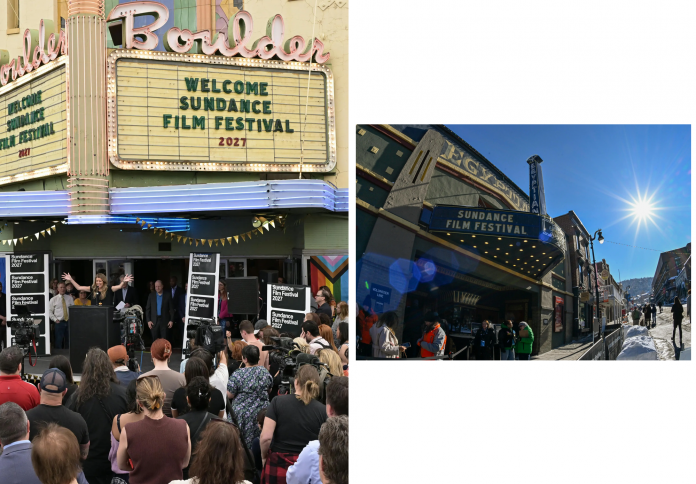
As the awards were presented on January 30 at The Ray Theatre, the atmosphere was one of celebration. The festival successfully navigated the challenges of a major institutional transition, proving that the identity of Sundance is defined less by its geography and more by its enduring spirit of discovery. Looking ahead to the move to Boulder, Colorado, in 2027, the 2026 festival serves as the definitive end of the “Utah era,” a time capsule of a moment where independent film stood at a crossroads and chose, as it always does, to move forward with courage and curiosity.