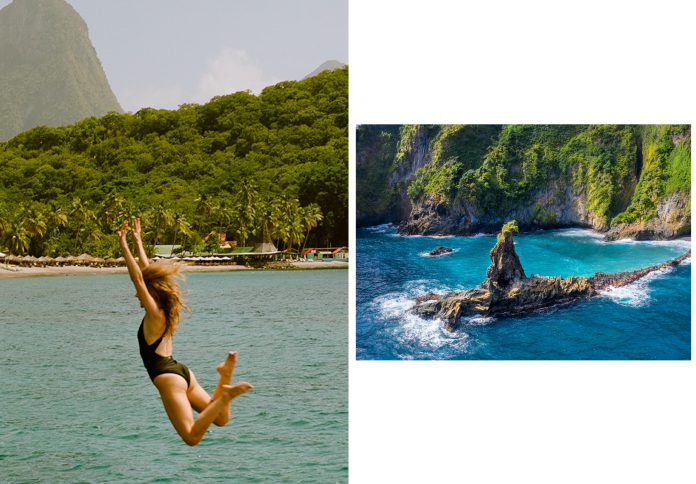
In the Caribbean, where the tourism narrative is often dominated by sprawling resorts and manicured coastlines, Dominica stands as a defiant, verdant outlier. Frequently referred to as the “Nature Island,” the nation has long prioritized ecological integrity over mass-market appeal. As we enter 2026, this commitment has reached a global zenith: National Geographic has named Dominica one of its must-visit destinations of the year, spotlighting its groundbreaking role in marine conservation. By establishing the world’s first sperm whale reserve, the island has transformed from a quiet sanctuary into a global beacon for sustainable travel, proving that the most luxurious commodity in the modern world is not artificial comfort, but the raw, unadulterated preservation of the natural order.
The World’s First Sperm Whale Sanctuary
Dominica’s inclusion in the “Best of the World” list is anchored by its visionary approach to marine stewardship. The island is home to approximately 200 resident sperm whales, a population that has become the focus of a historic conservation milestone: the creation of the world’s first dedicated sperm whale reserve. Protecting nearly 800 square kilometers of deep-water habitat off the island’s western coast, this sanctuary ensures the safety of these majestic creatures while offering a controlled, respectful model for human-cetacean interaction.
For the traveler, this represents a rare opportunity to engage with nature on its own terms. Unlike the commercialized whale-watching tours found elsewhere, Dominica’s approach is rooted in scientific regulation and deep respect for the whales’ social structures. By limiting the number of visitors and ensuring that observations remain non-intrusive, the reserve preserves the dignity of the species while providing an experience of profound, silent intimacy with the ocean’s most enigmatic giants.
A Landscape of Unbroken Wilderness
While the marine sanctuary draws the headlines, the island’s terrestrial landscape remains its most enduring treasure. Two-thirds of Dominica is blanketed by dense, largely untouched rainforest—a rarity in an era of rapid deforestation. This “green lung” of the Caribbean is characterized by a dramatic topography of volcanic peaks, fumaroles, and over 365 rivers, many of which remain so pristine that their waters are drinkable.
This environment is the ultimate playground for the eco-conscious adventurer. The Waitukubuli National Trail, stretching 115 miles across 14 distinct segments, offers a long-distance trekking experience that is unmatched in the region. For those who seek the sublime, a journey to the Morne Trois Pitons National Park reveals wonders like the “Boiling Lake”—a flooded fumarole shrouded in mist and mystery. With the 2026 debut of a new, state-of-the-art cable car system, these once-inaccessible heights are now open to a wider audience, providing breathtaking, panoramic vistas of the island’s volcanic heart without compromising the integrity of the forest floor.
Sustainable Luxury and Cultural Resilience
Dominica’s growth in 2026 is characterized by “eco-sensitive” development. The island has consciously rejected the high-density resort model, opting instead for boutique, low-impact accommodations that prioritize sustainability. Properties like Coulibri Ridge and the forthcoming high-end eco-resorts are designed to function in harmony with the environment, utilizing solar power and rainwater harvesting to ensure that the guest experience leaves a minimal footprint.
This respect for the environment is matched by a profound reverence for human history, specifically through the Kalinago Territory. As the home of the largest Indigenous community in the eastern Caribbean, the territory offers travelers a chance to engage with the Kalinago people, learning about their traditional crafts, rituals, and the deep, ancestral knowledge they hold regarding the island’s landscape. It is a cultural dialogue that reminds visitors that the “Nature Island” is not just a destination for leisure, but a home to a legacy that has thrived for centuries.
The Future of Caribbean Travel
As travelers increasingly search for meaning and sustainability in their journeys, Dominica offers a blueprint for the future. It is a place where the economy and the ecosystem are viewed not as competitors, but as partners in a long-term vision. By celebrating its status as a protector of whales and a guardian of its rainforests, Dominica has secured its place at the top of the travel world—not by changing who it is, but by staying true to its identity as a wild, vibrant, and resilient home to nature.
For the traveler who values the quiet, the authentic, and the extraordinary, 2026 is the year to visit Dominica. It is a destination that demands presence and rewards it, offering a glimpse into a world where human progress does not come at the cost of the wild, but in celebration of it.