In an era where international tourism to Japan is often synonymous with the bustling corridors of Tokyo and the crowded shrines of Kyoto, Yamagata Prefecture emerges as a profound, quiet alternative. Nestled in the northern Tohoku region, Yamagata has been rightfully recognized by National Geographic as one of the 25 “Best of the World” destinations for 2026. It is a land defined by its dramatic “mountain shape”—a literal translation of its name—where centuries-old spiritual traditions, ethereal winter landscapes, and a deeply rooted culinary heritage converge. For the traveler seeking a respite from the modern rush, Yamagata offers an invitation to step into a version of Japan that feels timeless, mystical, and intimately connected to the rhythms of the earth.
The Spiritual Heights of Dewa Sanzan and Yamadera
Yamagata’s heart beats in the rhythmic tolling of temple bells and the quiet tread of pilgrims on ancient stone paths. The prefecture is a cornerstone of the Shugendo tradition, an ascetic Buddhist path that emphasizes spiritual rebirth through nature. Central to this is the Dewa Sanzan—a collective of three sacred mountains (Mount Haguro, Mount Gassan, and Mount Yudono)—which have served as a pilgrimage site for over 1,400 years. Here, the landscape is not merely scenery; it is a sacred text. Whether climbing the 2,000-plus steps through the towering, moss-covered cedars of Mount Haguro or visiting the “temple in the sky,” Risshaku-ji (Yamadera), visitors are encouraged to engage in a form of meditative travel that cleanses the mind and mirrors the poetic stillness described by the legendary haikuist Matsuo Bashō.
An Ethereal Winter and the Storybook Streets of Ginzan Onsen
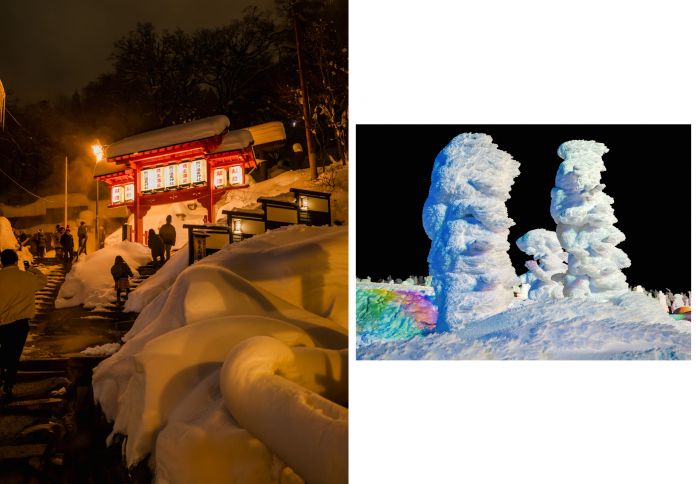
As winter descends, Yamagata transforms into an otherworldly landscape of ice and snow. The slopes of Mount Zao are famous for their “snow monsters” (juhyo)—trees encased in thick, sculptural rime ice that stand like frozen sentinels across the mountainside. It is a rare meteorological phenomenon that creates a stark, beautiful contrast to the warm, inviting glow of the prefecture’s historic hot spring towns.
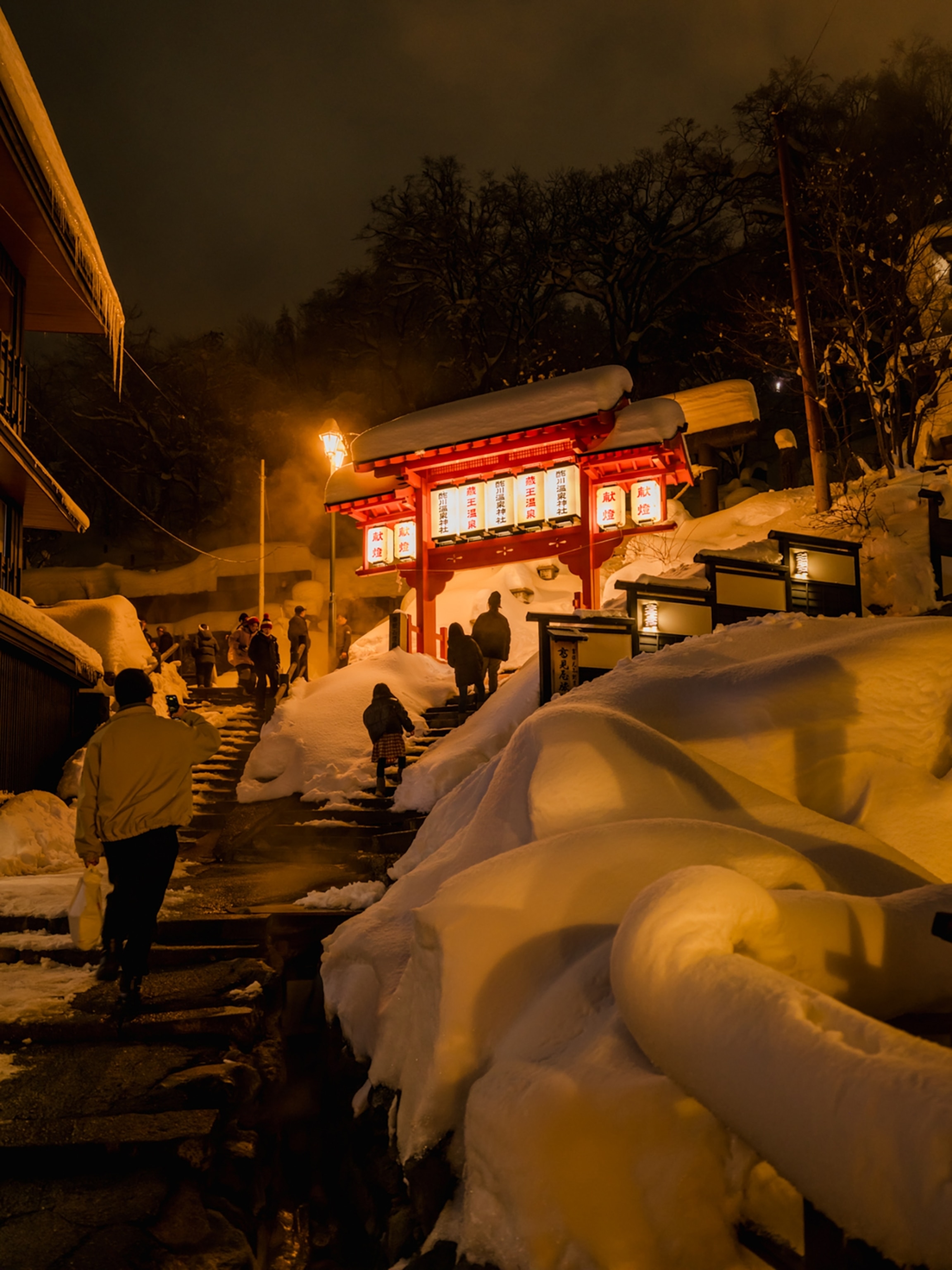
Chief among these is Ginzan Onsen, a town that appears to have been lifted directly from the Taisho era of a century ago. Tucked into a mountain valley and originating from a former silver mine, the town features multi-story wooden ryokans and gas-lit streets that look particularly dreamlike under a thick blanket of snow. In these moments of quiet, the modern world feels distant, replaced by a nostalgic, storybook atmosphere that captures the essence of Japan’s traditional charm.
A Culinary Heritage Grounded in the Soil
The beauty of Yamagata is not only visual; it is deeply sensory, particularly when it comes to its culinary identity. The prefecture’s long, snowy winters and pure mountain waters have fostered a distinctive food culture that prides itself on local sourcing and seasonal precision. Yamagata is home to the highly esteemed Yonezawa wagyu beef, which is celebrated for its exquisite marbling and depth of flavor.
Furthermore, the region has cultivated a reputation as a powerhouse for sake production, with local breweries leveraging the pristine snowmelt to craft some of Japan’s most refined varieties. Hearty comfort foods, such as imoni—a taro and meat hotpot that acts as a social cornerstone during autumn festivals—speak to a culture that values community and the bounty of the land. Dining in Yamagata is an exploration of this connection to the soil, a field-to-table experience that has been perfected over generations of living in harmony with the changing seasons.
A Destination for Renewal
As the global travel community looks toward 2026, Yamagata stands as a vital counterpoint to the concept of overtourism. It is a destination that rewards the curious and the patient, offering a sanctuary for those who wish to experience Japan’s original landscapes, spiritual depth, and authentic hospitality without the pressures of the modern tourist trail. Whether it is through the meditative silence of a temple hike, the revitalizing warmth of an onsen soak, or the simple pleasure of a locally brewed sake, Yamagata provides a profound experience of spiritual and physical renewal. It is a place that reminds us that travel, at its best, is not about the volume of sights we see, but the depth of the connection we feel.