In the dynamic landscape of 2026, South Korea stands as a testament to the power of cultural evolution. No longer merely a rising regional power, the nation has firmly established itself as a global “it” destination, driven by a sophisticated fusion of “K-culture” magnetism and a deep, enduring commitment to its two-millennium-long dynastic heritage. For the discerning traveler, South Korea offers a compelling study in contrasts: a country where the neon-drenched, AI-integrated modernity of Seoul and Busan exists in seamless harmony with the quiet, meditative stillness of pine-covered mountains and ancient Buddhist hermitages. Recognized as a pinnacle destination for 2026, South Korea invites exploration not just as a site of pop-culture phenomenon, but as an immersive experience in human-centric innovation and historical continuity.
The Dongseo Trail: A New Frontier for Exploration
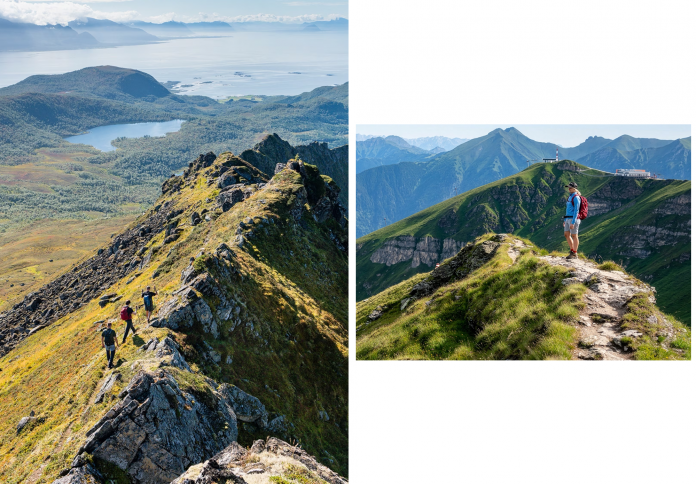
The central pillar of South Korea’s appeal in 2026 is the unveiling of the Dongseo Trail—the nation’s first comprehensive long-distance hiking route. Spanning an ambitious 527 miles (849 kilometers), this trail bisects the peninsula from the east (“dong”) to the west (“seo”). It is more than a path for recreation; it is an architectural and ecological project designed to showcase the immense geographical diversity of a country where 70 percent of the land is mountainous.
As hikers traverse this route, they are invited to engage with a landscape that remains surprisingly wild. The trail weaves through ancient forests, passes by remote village outposts, and provides unparalleled access to the nation’s 20-plus national parks. By encouraging a “slow travel” approach, the Dongseo Trail pushes back against the hurried pace of modern tourism, offering instead a rhythmic, grounding connection to the Korean landscape that reveals the country’s rugged, volcanic, and lush geological heart.
A Culinary and Cultural Renaissance
South Korea’s global influence has long been fueled by the “Korean Wave,” but in 2026, the experience on the ground has evolved into something far more intimate. The country’s culinary scene is a primary draw, moving beyond the global recognition of kimchi and bibim-bap to showcase regional specialties that have been preserved through generations. From the elaborate, side-dish-heavy spreads of the southwestern Jeolla provinces to the serene, tea-focused culture of Jeju Island’s Osulloc plantations, the food scene is an exploration of Korea’s environmental and cultural history.
This cultural depth is mirrored in the country’s architecture. The juxtaposition of glass-and-steel mega-cities with the traditional hanok villages—where centuries-old wooden housing is being reimagined as trendy, minimalist boutique stays—highlights a national philosophy of integration. Korea manages to prioritize futuristic urban design while maintaining a profound reverence for the past, creating spaces that are as culturally resonant as they are technologically advanced.
The Philosophy of “Coastal Cool”
Beyond the metropolitan powerhouses, the Korean coast and islands have emerged as essential retreats. Whether it is the hand-stacked volcanic stone walls and lava tubes of Jeju Island or the laid-back, maritime charm of Busan’s waterfront, the coastal regions offer a sophisticated, minimalist aesthetic that feels both fresh and timeless. These areas embrace a “Refined Minimalism”—a design language that emphasizes clean lines, natural materials, and an understated elegance that respects the dramatic topography of the coastline.

For the traveler, South Korea in 2026 is a masterclass in how a nation can embrace the future without discarding its core identity. It is a destination that feels inherently human-centric, where public transport efficiency, digital ubiquity, and a deep, spiritual connection to nature coexist in a unique state of balance. It is not just a place to observe, but a place to participate in a vibrant, ongoing experiment in how to live well in the 21st century.
An Invitation to the “Hermit Kingdom’s” Rebirth
As the world turns its eyes to South Korea, it discovers a country that has effectively emerged from its historical shell to offer a uniquely thoughtful travel experience. The nation’s “coastal cool” is an invitation to slow down, to hike through centuries of history, and to engage with a culture that values both the technological peak of human innovation and the quiet, enduring wisdom of its mountains.
South Korea is no longer a hidden gem; it is a global beacon. For those seeking a destination that challenges the boundaries between the ancient and the avant-garde, it provides a landscape of limitless discovery. It is a reminder that the most exciting travel destinations are those that can hold two truths simultaneously: the restless energy of progress and the calming, grounded reality of a storied, deep-rooted past.