For decades, the name Medellín conjured an image of fragility and turmoil, a city defined by external perceptions of instability. Yet, by 2026, the “City of Eternal Spring” has completed one of the most remarkable urban rebrandings in the history of the Global South. It is no longer a site of historical trauma, but a vibrant laboratory for social urbanism—a place where architectural intervention and community-led design have been wielded as powerful tools for reconciliation and progress. Recognizing it as a must-visit destination for 2026, National Geographic celebrates a metropolis that has harnessed the ingenuity of its people and the potential of its mountainous geography to create a model for modern, equitable, and human-centric living that continues to inspire the world.
Architectural Interventions as Social Equity
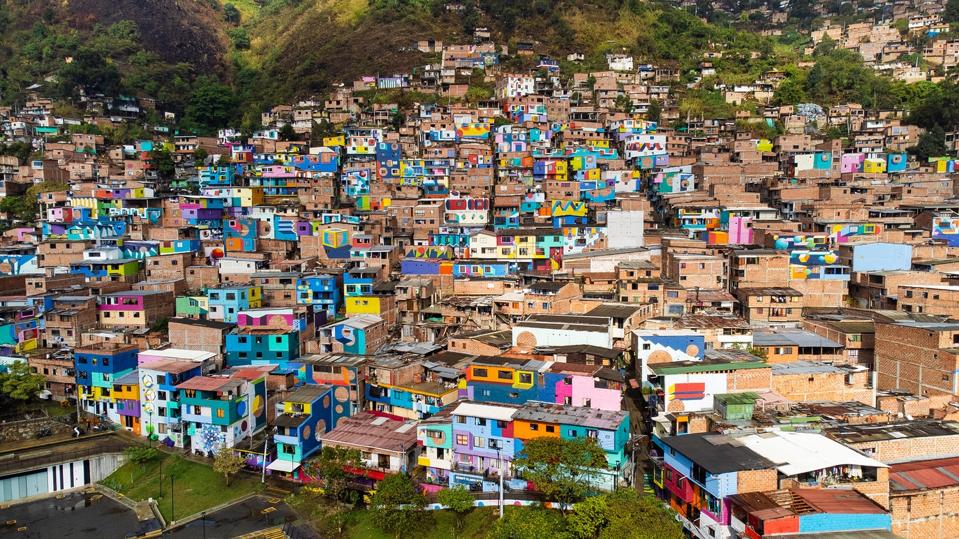
Medellín’s journey is written into its landscape through the lens of “Social Urbanism.” The city’s planners have consistently prioritized placing the highest quality architecture and public infrastructure in the areas of greatest need, rather than focusing development solely in the affluent districts. This strategy is most visible in the city’s pioneering transit systems, particularly the Metrocable network, which integrates the isolated hillside settlements into the urban core.
These cable cars are more than just transit; they are architectural statements that restore dignity to previously marginalized populations. By placing sophisticated library parks, state-of-the-art schools, and plazas in these high-altitude neighborhoods, the city has physically transformed the opportunity landscape. For the visitor, this creates a unique urban fabric where the beauty of modern design is not reserved for the elite, but is fundamentally woven into the public experience. It is a city that demonstrates how infrastructure, when thoughtfully designed, can act as a bridge between socioeconomic divides.
A Renaissance of Ecological and Urban Harmony
Medellín is defined by its deep geological connection to the Aburrá Valley. The city’s development, often termed as “Refined Minimalism” in its aesthetic approach to public space, leans heavily into the integration of lush, tropical biodiversity with dense, vertical living. This is best exemplified by the “Green Corridors”—a city-wide initiative that converted neglected roadways and concrete paths into shaded, plant-filled thoroughfares.
These corridors serve as biological conduits that cool the city, improve air quality, and provide residents with accessible, pedestrian-focused nature. This integration of ecological vitality with urban density results in a city that feels surprisingly quiet and green despite its industrial scale. The design philosophy is minimalist and functional, prioritizing local vegetation and sustainable materials that harmonize with the mountainous surroundings, creating an atmosphere that is both intensely modern and deeply tied to the natural world.
The “Noir-Avant” Cultural Vibe
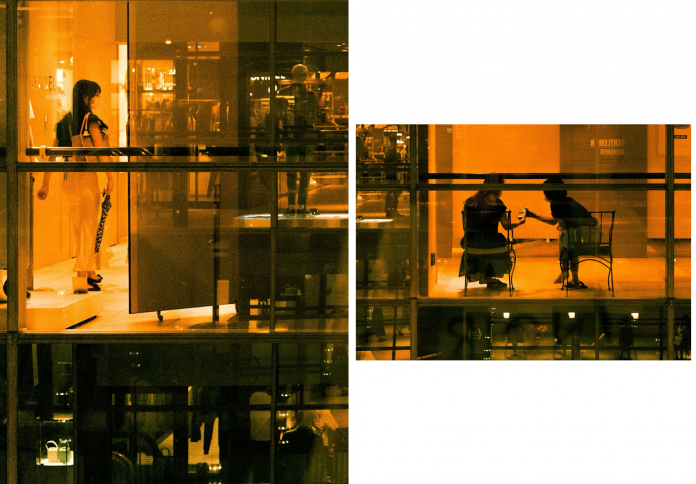
The cultural pulse of Medellín in 2026 is electric, defined by a spirit of creative rebellion and optimism. The neighborhoods of El Poblado and Laureles have evolved into hubs for a sophisticated “Noir-Avant” movement—where traditional Colombian hospitality meets a global, design-forward aesthetic. Here, you find artisanal coffee bars, contemporary art galleries, and experimental culinary spaces that emphasize native ingredients and sustainable luxury.
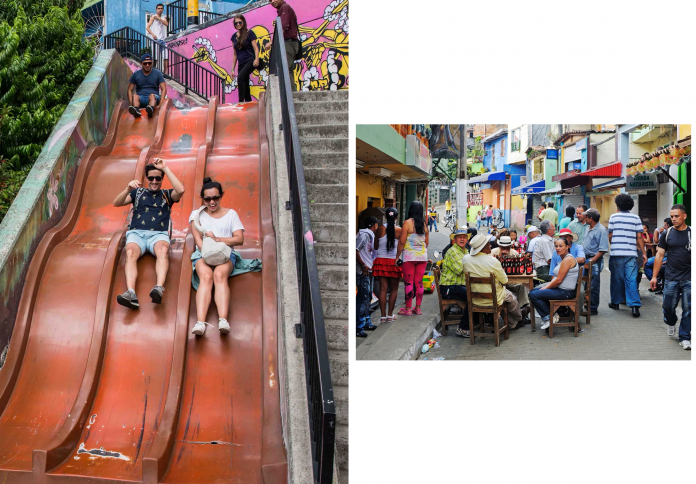
This is a city that thrives on the juxtaposition of its past and its future. The nightlife, the street art scenes in Comuna 13, and the meticulous design of public squares all reflect a culture that is reclaiming its narrative. It is a destination that demands presence and awareness, rewarding the visitor with a window into a community that is acutely conscious of its resilience. The Medellín of today is a testament to the idea that a city’s history does not dictate its future—that with enough ingenuity, purpose, and commitment to the public good, a landscape can be completely reimagined.
A Blueprint for Global Urbanism
As travelers flock to Medellín in 2026, they are not just arriving at a tourist destination; they are entering a working blueprint for what a resilient city can become. Medellín proves that human-centric design is not a luxury, but a fundamental necessity for progress. The city’s focus on accessibility, education, and ecological health provides a roadmap for other metropolises grappling with the complexities of urban growth.
Medellín serves as a profound reminder that cities are not just collections of concrete and steel, but organisms that evolve in response to the aspirations of their inhabitants. By successfully marrying technological innovation with a deep-seated commitment to social equity, Medellín has earned its place as a beacon of modern urbanity. For the discerning visitor, the city offers more than just beauty; it offers a vision of hope—a shining example of what happens when a city decides, collectively, to build a future that is as inclusive as it is extraordinary.