In an era where the boundary between professional productivity and personal health is increasingly porous, workplace wellbeing apps have surged in popularity. Often branded as “preventative care” or “productivity boosters,” these digital tools promise to help employees manage stress, improve sleep, and foster mindfulness. Yet, beneath their calm interfaces and soothing color palettes lies a more complex, data-driven reality. Many of these applications go far beyond basic meditation and step-tracking, utilizing sophisticated sensing technologies—from voice modulation to typing cadences—to harvest deep, granular insights into an employee’s emotional state. This “surveillance-for-wellness” model creates a profound tension: as employers gain unprecedented visibility into the health of their workforce, they simultaneously risk eroding the very trust and autonomy essential for a healthy workplace culture.
The Subtle Language of Metadata
While users often focus on the explicit data they input—like sleep logs or mood check-ins—these apps are increasingly proficient at capturing “passive” data that tells a story far more intimate than words alone. Advanced workplace tools now analyze typing rhythm to detect stress or cognitive fatigue, identifying subtle changes in cadence, speed, and error rates that may correlate with burnout. Similarly, voice analysis modules can monitor vocal pitch, tone, and hesitations during app-based exercises to infer levels of anxiety or depression.

These metrics, often referred to as “digital biomarkers,” turn the user’s interaction with the technology into a psychological profile. The danger is not necessarily in the data collection itself, but in the lack of transparency regarding how these insights are interpreted and utilized. When a platform claims to “improve resilience,” it is often doing so by quantifying behaviors that are highly subjective and culturally dependent. By distilling the richness of human emotion into binary data points, these apps risk oversimplifying mental health, turning complex struggles into a series of performance metrics that an employer might inadvertently use to monitor “wellness efficiency.”
The Privacy-Performance Trade-Off
The collection of this granular data raises significant ethical questions regarding ownership and agency. In many corporate settings, the “wellness” package is provided via a third-party vendor, creating a layer of abstraction that makes it difficult for employees to know exactly what is being shared with their company. While most providers promise anonymization, the granularity of data—such as a specific team’s collective “stress score” or sleep patterns—can lead to indirect profiling. If an employer sees that a specific department is suffering from poor sleep or high anxiety, the reaction is often to demand higher output rather than addressing the systemic workplace conditions causing the exhaustion.
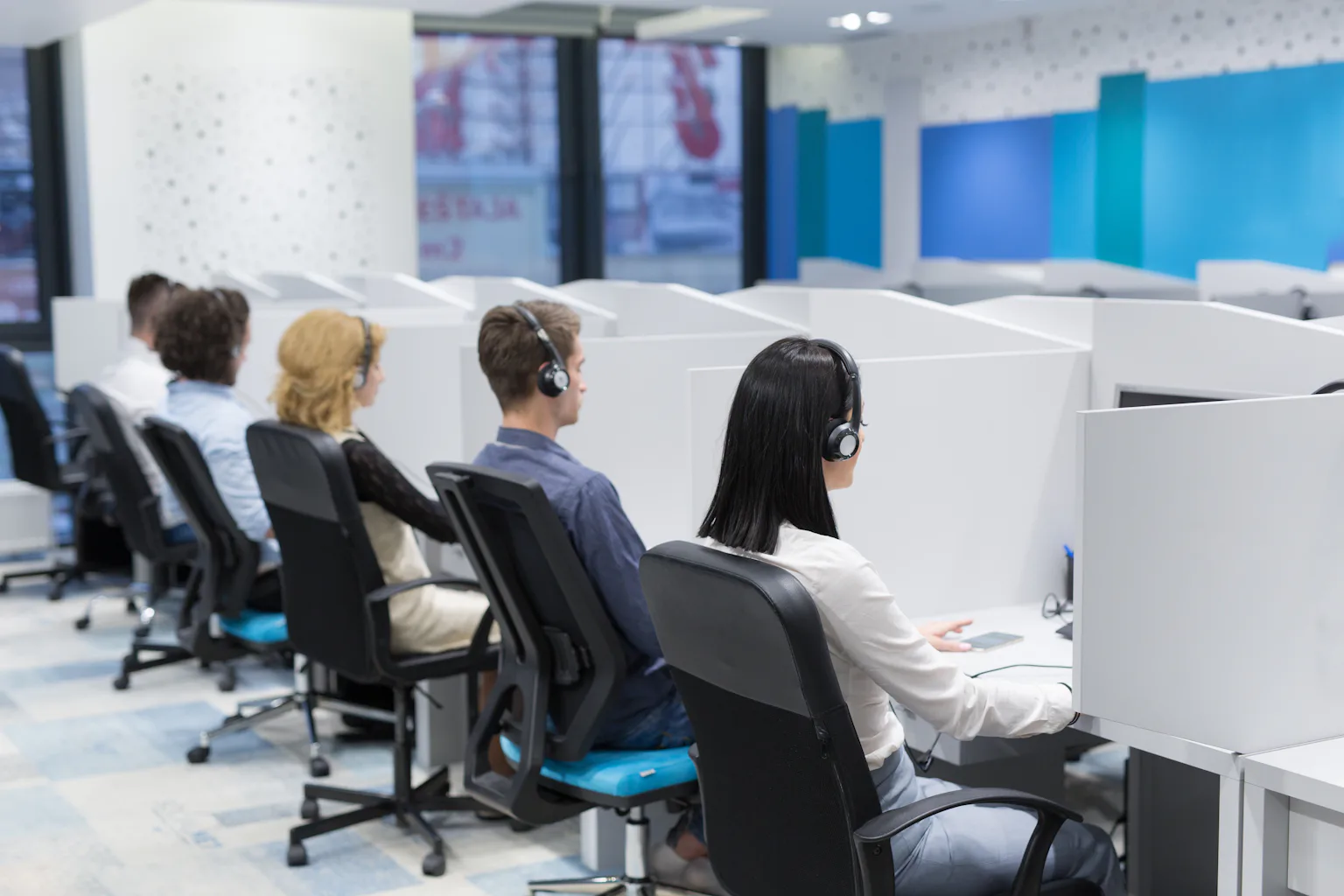
Moreover, the normalization of this data harvesting creates a “surveillance culture” where employees feel compelled to optimize their behavior to satisfy the app’s algorithms. The constant monitoring of one’s own wellbeing, often called orthosomnia or digital health obsession, can ironically trigger more anxiety than it relieves. When an app tells a user their “recovery score” is low, it changes their perception of their own capacity, often resulting in self-doubt that wouldn’t exist without the digital feedback loop.
Navigating the Digital Wellbeing Landscape
For organizations, the challenge is to move away from “wellbeing washing”—the practice of providing digital tools as a low-cost substitute for addressing the root causes of workplace stress. Genuine wellbeing is rarely found in an app; it is found in manageable workloads, psychological safety, and clear professional boundaries. Before adopting such tools, leadership must critically evaluate the trade-offs:
- Transparency First: If an app tracks behavioral data, employers must be explicitly clear about what is being tracked, who has access, and how the data is aggregated.
- The “Human-First” Standard: Digital tools should be secondary to human-led support systems, such as Employee Assistance Programs (EAPs) and genuine management training, rather than replacing them.
- Voluntary Participation: Engagement with wellbeing tools must be truly optional. When participation becomes a marker of “good performance” or a prerequisite for engagement, it ceases to be a benefit and becomes a subtle form of digital coercion.
As we look toward the future, the integration of these technologies into the workplace requires a cautious approach. We must resist the urge to view every aspect of human performance as a technical problem to be solved by data. True workplace health is not about optimizing the individual to better endure a demanding environment, but about creating an environment that respects the privacy, autonomy, and humanity of the people who power it. As digital tools continue to advance, the priority must remain on protecting the user—ensuring that our tech-enabled future enhances our lives rather than just cataloging them.