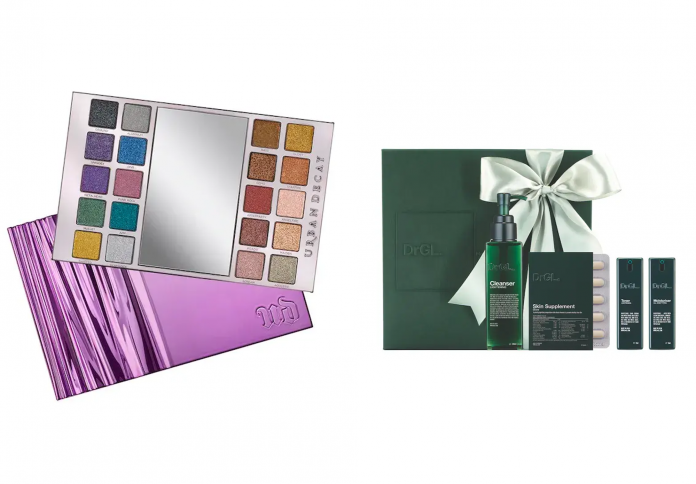
The enduring appeal of holiday beauty gift sets is less interesting as a standalone headline than as a window onto how curated sets reduce the decision burden of last-minute gifting. Holiday beauty gift sets have long been positioned as an efficient option for shoppers buying for makeup and skincare enthusiasts. A 2017 holiday guide framed the category specifically as a last-minute answer for the makeup lover in a shopper's life. A good set transforms a category full of tiny product decisions into a single, presentable object while still preserving the pleasure of discovery. Rather than treating the moment as a checklist of products, names, or announcements, the more useful approach is to ask what changes for the people who actually use, watch, enter, or live with it. The modern beauty shelf is less a collection of isolated products than a network of
The Idea Behind the Launch
Holiday beauty gift sets have long been positioned as an efficient option for shoppers buying for makeup and skincare enthusiasts. A 2017 holiday guide framed the category specifically as a last-minute answer for the makeup lover in a shopper's life. The best gift set is not necessarily the one with the most pieces; it is the one that makes sense for the recipient before the box is opened. The important point is not simply that these details exist, but that together they define the conditions of the story: who is making the decision, what has changed, and why the moment now feels different from an ordinary product release, workplace adjustment, episode recap, or interior refresh.
The modern beauty shelf is less a collection of isolated products than a network of routines. Texture, compatibility, portability, refillability, and ease of use now shape buying decisions as much as the promise printed on a carton. In this case, that context sharpens how curation can be more valuable than sheer product count. It also keeps the article from mistaking visibility for significance; the most photographed or repeated detail may open the story, but it is the relationship among the details that gives the subject its editorial weight.
Where Formula Meets Routine
Sets can combine multiple products, miniatures, coordinated shades, or limited packaging into one purchase. For recipients, variety can be part of the value because it allows experimentation without committing to several full-size products. Those facts create a more useful frame than hype alone. They show how the subject works at the level of format, process, casting, policy, material, or service rather than leaving it as an abstract trend. A coherent set tells the buyer what belongs together and gives the recipient a clear path for trying the products.
Trend cycles move quickly in beauty, but the strongest ideas usually have a practical core. A color story may begin on social media and a hair technique may spread through tutorials, yet repeat use depends on whether the idea fits real mornings, real budgets, and real skin or hair needs. That makes comparison important. The relevant question is not whether every consumer, institution, viewer, or visitor should respond in the same way, but which conditions make the idea work and which conditions expose its limits.
How the Trend Travels
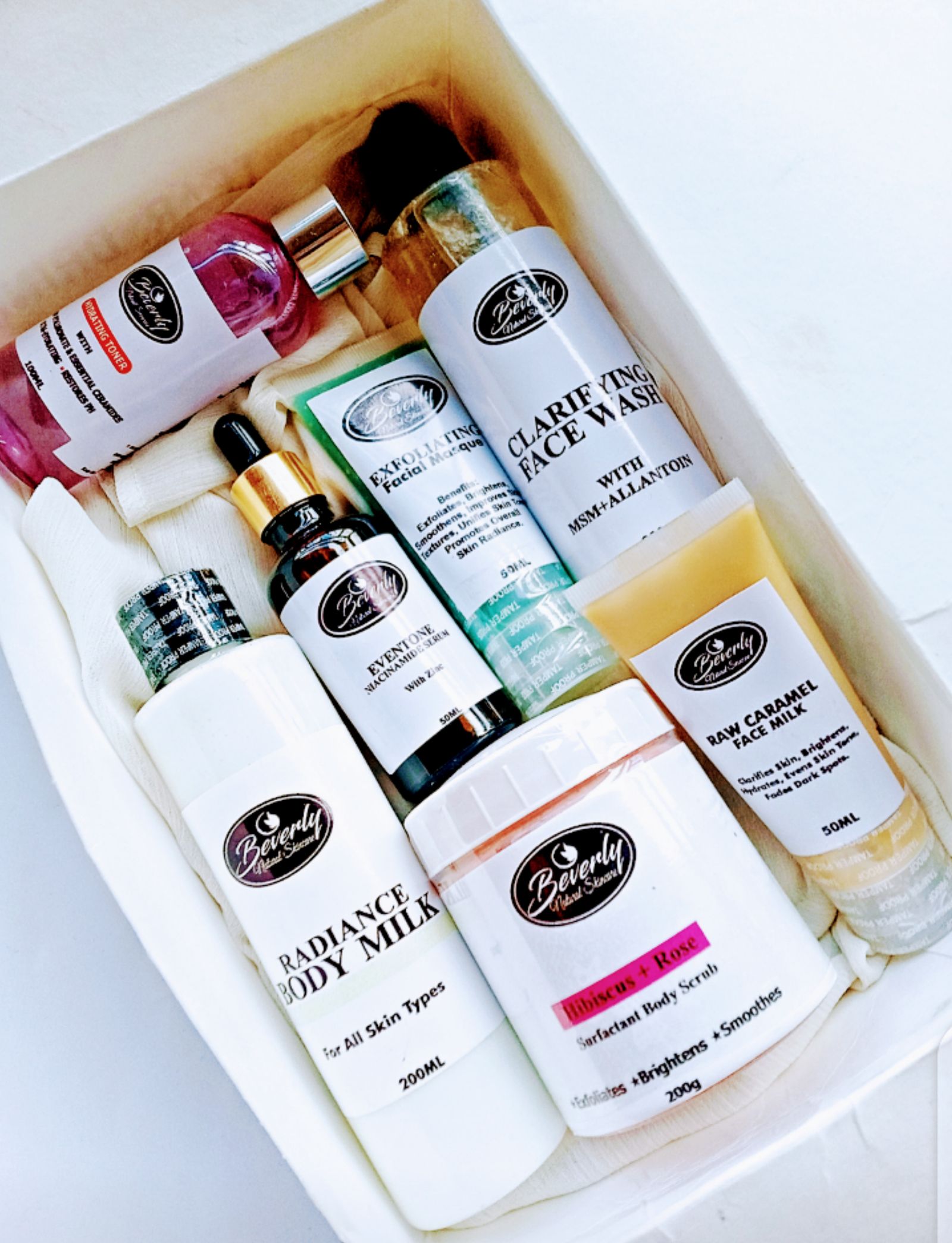
For brands, holiday packaging creates a seasonal reason to revisit established formulas without necessarily launching an entirely new product. The format can also make price comparison difficult when full-size and travel-size items are mixed together. This is where the story moves from announcement to experience. The subject is interpreted through repeated choices: what gets emphasized, what becomes optional, what is standardized, and what remains dependent on individual judgment. Miniatures can be useful when they encourage discovery, but a bag of unrelated samples can feel more like inventory than a gift.
That distinction is especially important when marketing language drifts toward treatment language. Cosmetics can change appearance and support a routine, but individual results vary, and persistent skin or scalp concerns belong in a more careful conversation with qualified professionals. For the enduring appeal of holiday beauty gift sets, the tension is particularly visible in the tension between perceived value and actual usefulness. That tension is productive when it leads to better choices and clearer expectations rather than simply producing another layer of marketing language or speculation.
The Limits of the Promise
Shade-dependent products such as foundation are harder to gift without knowing the recipient, while fragrance, lip products, hand care, and minis can be more forgiving. Presentation matters because the set is expected to feel complete enough to give without additional curation. Those details also define the boundary of what can responsibly be claimed. Seasonal scarcity and promotional pricing should not substitute for checking sizes, shades, and whether the products suit the person receiving them. An editorial reading can still be enthusiastic, skeptical, or aesthetically engaged without turning uncertainty into certainty.
The question, then, is not whether the trend is objectively good or bad. It is whether the idea gives consumers a clearer way to choose: a shade that works with undertone, a format that makes application easier, or a routine that can be adjusted without becoming an obligation. The point is not to remove pleasure from the story. It is to make the pleasure more durable by separating what has been demonstrated from what is merely possible, and by recognizing that users and audiences bring different needs, tastes, and tolerances to the same idea.

What Deserves to Last
The category survives because it solves a real shopping problem: reducing choice while still signaling that the recipient's beauty interests were considered. Beauty gifting will keep moving toward sets that combine discovery with clearer personalization by category, color family, or routine. Seen this way, the subject is not a finished verdict but a snapshot of a system in motion. Products will be reformulated, software will be updated, series will continue, stores will age, and cultural labels will change; the useful editorial task is to identify which underlying choices are likely to remain meaningful when that happens.
The lasting value of the moment will be measured after the launch cycle moves on. If the idea still makes sense when the campaign imagery disappears, it has probably earned a place beyond trend status. The enduring luxury of a set is not excess; it is relief from having to assemble the right combination alone. The strongest takeaway is therefore not a command to buy, believe, visit, or predict. It is a clearer understanding of why this moment matters now and what evidence will matter next.