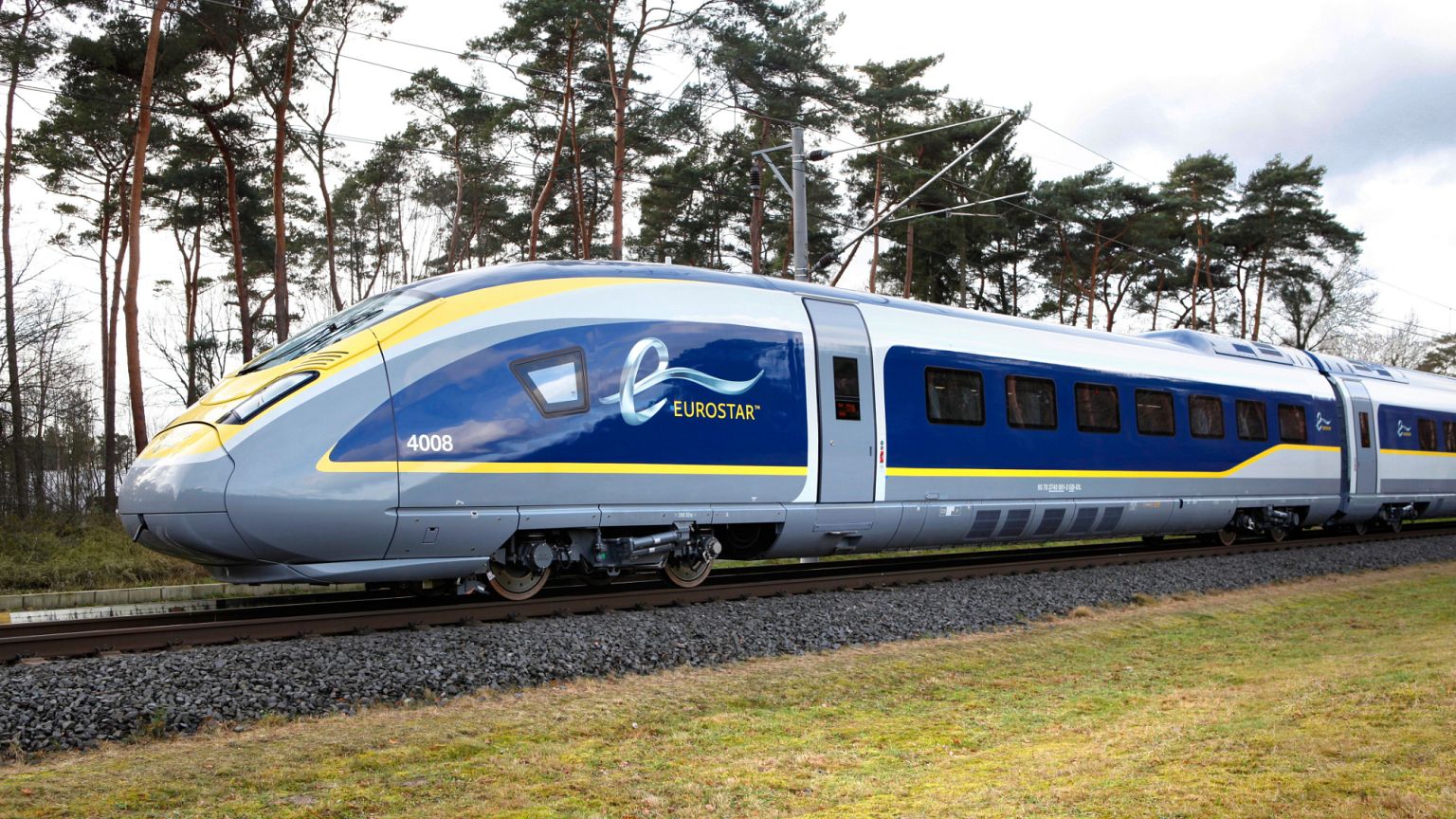
For decades, Eurostar has enjoyed undisputed dominance on the tracks beneath the English Channel. Since the service launched in 1994, it has been the only passenger train connecting London with Paris, Brussels, and later Amsterdam. But as of 2025, a seismic shift is underway: new contenders are entering the race to revolutionize cross-Channel rail travel — and they’re promising more routes, better prices, and less carbon. The stage is set for a battle that could reshape how we travel between the UK and mainland Europe. For passengers, this could mean not only more affordable tickets and smoother journeys, but a fundamental rethink of what train travel between nations can look like in the 21st century.
Why competition is finally arriving
Until recently, breaking into the Channel Tunnel route was nearly impossible for new players. Eurostar’s grip on the market was reinforced by high track access fees and infrastructure constraints. But momentum has been building. In early 2024, the UK’s Office for Rail and Road (ORR) slashed the usage charges on High Speed 1 (HS1) — the critical rail link between London and the Channel Tunnel — in an effort to welcome new entrants.
The timing couldn’t be better. Interest in sustainable travel is surging, and rail holidays are enjoying a renaissance. Eurostar itself had a record year in 2024, carrying 19.5 million passengers. The London–Paris and London–Brussels routes saw some of the biggest growth — up by 280,000 and 250,000 passengers respectively — highlighting the booming demand for high-speed, low-carbon alternatives to short-haul flights.
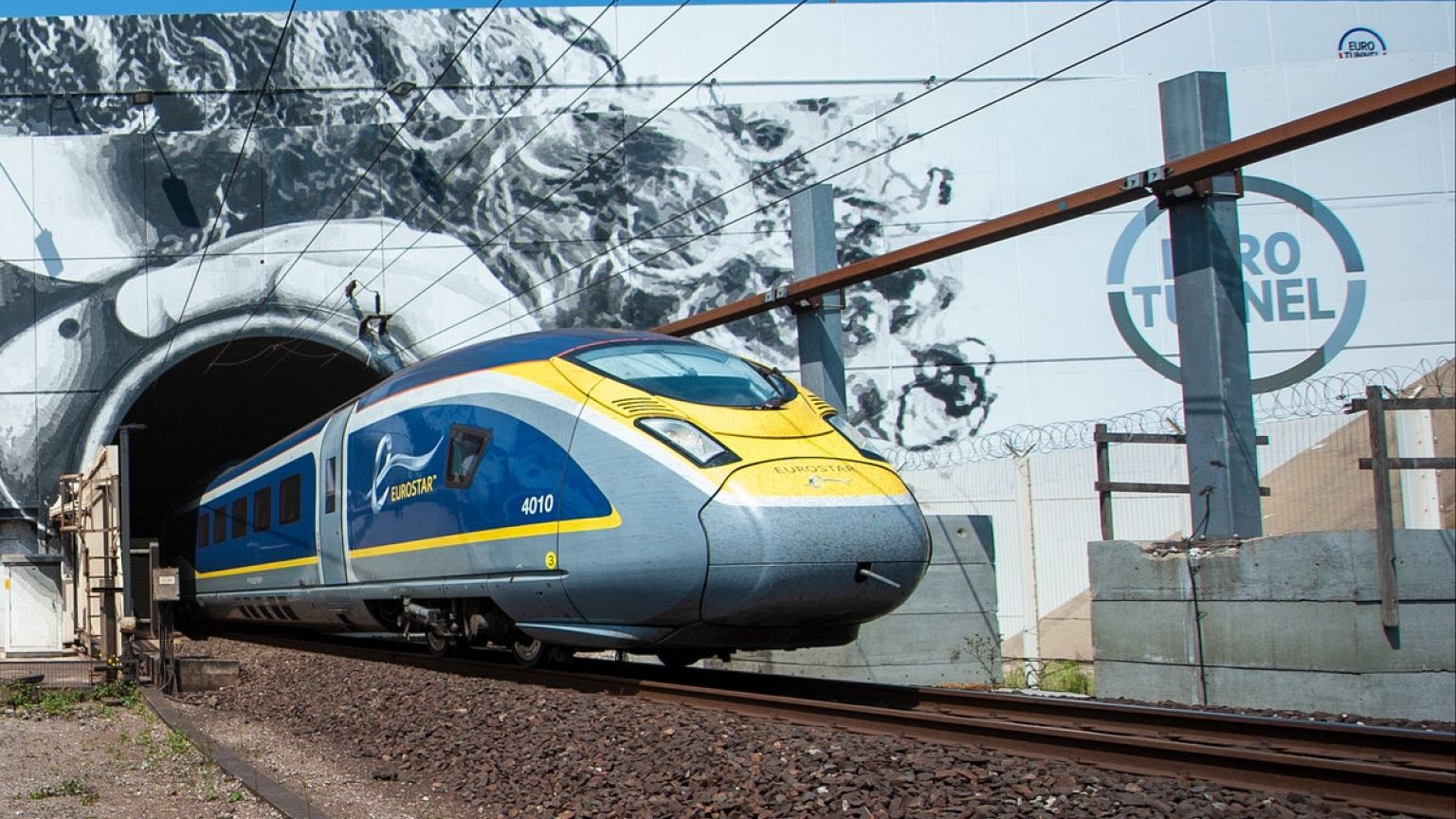
Now, several players are preparing to jump in. Virgin Trains is planning to order a fleet of high-speed trains for cross-Channel use. Gemini Trains, a UK-based start-up, has applied for operator licenses and hopes to launch by 2029. Spanish newcomer Evolyn, backed by FS Italiane Group (Italy’s state-owned rail company), is also in the mix. What was once a one-horse race is about to become a competitive arena.
Can the infrastructure support it?
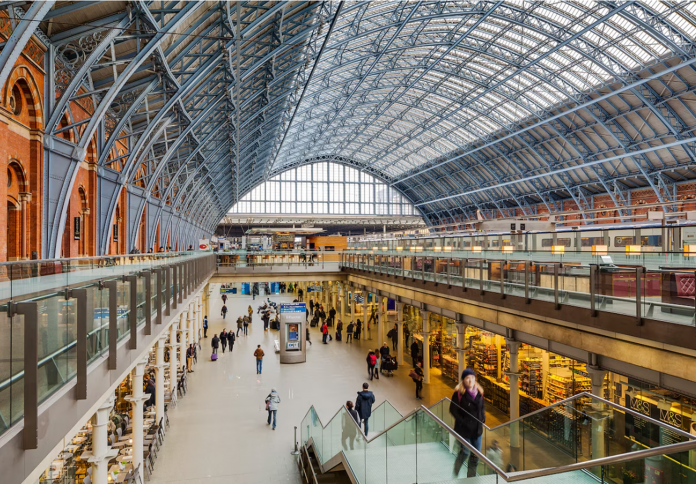
Running new train services across borders is easier said than done. One key concern is capacity — not in the tunnels themselves, but at the stations that serve them. London’s St Pancras International is already operating near its limits, with long queues and limited space in the international departure area.
But help may be on the way. London St Pancras Highspeed (LSPH), the company that manages the station and HS1 line to Folkestone, has unveiled plans to triple the station’s international processing capacity. Under the new vision, up to 5,000 passengers per hour could be accommodated — up from the current 1,800 — by redesigning waiting areas and expanding departure lounges.
Further down the line, Getlink, the French company that operates the Channel Tunnel, says the tunnel itself is far from full. Its projections show traffic could double over the next decade without strain. In February 2025, Getlink and LSPH announced a joint initiative to “grow international rail connectivity” between the UK and Europe — a clear signal that they’re preparing for a multi-operator future.
More trains, more destinations, lower fares
For travelers, the potential benefits are huge. Most immediately, more operators could mean increased competition on popular routes like London–Paris and London–Amsterdam, putting downward pressure on ticket prices. Government ministers have cited the success of UK domestic competition — such as Lumo on the East Coast Main Line — as proof that more trains mean more choice and better value.
But the real excitement lies in new destinations. Getlink has expressed strong interest in launching direct services from London to Frankfurt, Cologne, Geneva, and Zurich. Other potential routes on the horizon include Milan, Barcelona, and even northern Scandinavian cities — all reachable by high-speed rail in under a day.
“We’re keen to drive forward attractive opportunities for low-carbon travel with a range of new destinations in Germany, Switzerland and France,” says Yann Leriche, CEO of Getlink. The dream of boarding a train in London and disembarking in Milan or Geneva — with no airport queues, no liquid bans, and a fraction of the emissions — is getting closer to reality.
What’s standing in the way
Despite the enthusiasm, hurdles remain. Any new operator must secure approval from both UK and EU regulators, and since Brexit, that process has become more complicated. Safety certifications, customs arrangements, and border processing rules all need to align — and for now, much of that still favors the incumbent, Eurostar.
There’s also a bottleneck when it comes to maintenance. Eurostar currently controls the only UK depot equipped to service high-speed trains on the HS1 line. The company argues that the depot is already full and can’t accommodate rival trains. But in March, the ORR disputed that claim, reporting that two of the depot’s eight lanes are underused and could be reassigned.
Eurostar remains skeptical. A company spokesperson responded: “The options presented in the report could help create some capacity, but this wouldn’t be enough to accommodate the stated ambitions of any single operator.” Behind the scenes, it’s clear that the battle for track time and facilities is just beginning.
A rail revolution — if patience allows
If the obstacles can be overcome, the result could be transformative: a fast, connected, and eco-conscious alternative to short-haul flights between the UK and mainland Europe. With more operators, more destinations, and competitive pricing, the golden age of European rail might be just over the horizon.
But travelers hoping to book a ticket next year on a new cross-Channel operator will likely need to wait. Most of the proposed services are targeting a 2029 launch — an ambitious timeline given the regulatory and logistical hurdles still ahead. Still, the momentum is undeniable. What once seemed like a fixed monopoly is now a dynamic, fast-moving sector. And for travelers, that means a brighter — and faster — future on the rails.