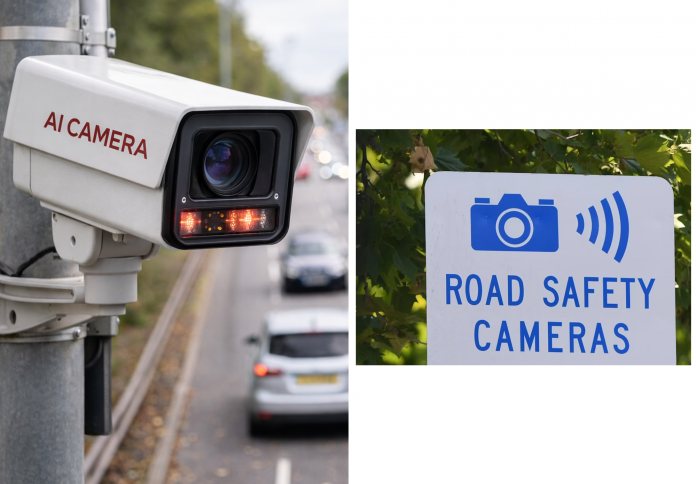
At first glance, AI-enabled road-safety cameras in Australia looks like a story about newness; in practice, it says more about how automated detection changes the balance between enforcement efficiency and procedural fairness. Australian states have expanded camera systems that detect mobile-phone use and seat-belt violations using automated image analysis. Western Australia recorded roughly 184,000 infringements after its system launched in October of the previous year. When a system can issue penalties at large scale, the quality of exemptions, evidence, review, and error correction becomes as important as detection accuracy. Rather than treating the moment as a checklist of products, names, or announcements, the more useful approach is to ask what changes for the people who actually use, watch, enter, or live with it. Artificial intelligence stories often arrive with a temptation to make one technology responsible for every institutional decision around it.
A Faster Technical Clock
Australian states have expanded camera systems that detect mobile-phone use and seat-belt violations using automated image analysis. Western Australia recorded roughly 184,000 infringements after its system launched in October of the previous year. Automation turns enforcement into infrastructure: once the camera network is active, mistakes can repeat at machine speed unless the appeal system is designed with the same seriousness. The important point is not simply that these details exist, but that together they define the conditions of the story: who is making the decision, what has changed, and why the moment now feels different from an ordinary product release, workplace adjustment, episode recap, or interior refresh.
Artificial intelligence stories often arrive with a temptation to make one technology responsible for every institutional decision around it. In practice, adoption sits inside older pressures involving cost, labor, infrastructure, security, regulation, and competitive strategy. In this case, that context sharpens the relationship between detection scale and procedural safeguards. It also keeps the article from mistaking visibility for significance; the most photographed or repeated detail may open the story, but it is the relationship among the details that gives the subject its editorial weight.
Who Carries the Consequences
New South Wales issued more than 130,000 fines in the 2024–25 period, while Queensland recorded roughly 114,000 in 2024. Western Australian seat-belt penalties begin at A$550 and four demerit points. Those facts create a more useful frame than hype alone. They show how the subject works at the level of format, process, casting, policy, material, or service rather than leaving it as an abstract trend. Systems should preserve original evidence, document review decisions, and make exemption handling visible enough that people can understand why a fine was issued.
The important shift is not simply that AI systems can do more. It is that organizations are redesigning processes around those systems, which changes who bears the risk when automation is wrong, opaque, or deployed faster than governance can adapt. That makes comparison important. The relevant question is not whether every consumer, institution, viewer, or visitor should respond in the same way, but which conditions make the idea work and which conditions expose its limits.

The Limits of Automation
One Western Australian driver who had an exemption reportedly accumulated nearly A$20,000 in multiple penalties before the issue was addressed. Camera systems can monitor far more vehicles than human officers could observe manually from a roadside position. This is where the story moves from announcement to experience. The subject is interpreted through repeated choices: what gets emphasized, what becomes optional, what is standardized, and what remains dependent on individual judgment. For motorists, a clear appeal process matters because the financial and licensing consequences can accumulate quickly.
The same logic applies to security and safety. New tools can accelerate both attack and defense, but basic disciplines such as access control, patching, resilient architecture, documentation, and human oversight do not become obsolete because the tools become more capable. For AI-enabled road-safety cameras in Australia, the tension is particularly visible in the public-safety value of consistent enforcement and the risk of repeated administrative error. That tension is productive when it leads to better choices and clearer expectations rather than simply producing another layer of marketing language or speculation.
Building an Appeal Route
Automated screening still depends on image quality, classification thresholds, human review processes, and accurate administrative records. Drivers with lawful exemptions need a review route that is fast enough to prevent repeated penalties from compounding. Those details also define the boundary of what can responsibly be claimed. Reported infringement totals do not by themselves establish accuracy, deterrence, or fairness; those require separate evaluation. An editorial reading can still be enthusiastic, skeptical, or aesthetically engaged without turning uncertainty into certainty.
Scale changes the character of error. A mistake made by one person can be serious; a mistake embedded in a system used thousands of times can become a pattern before anyone recognizes it. That makes auditability and appeal mechanisms part of product design, not administrative afterthoughts. The point is not to remove pleasure from the story. It is to make the pleasure more durable by separating what has been demonstrated from what is merely possible, and by recognizing that users and audiences bring different needs, tastes, and tolerances to the same idea.
The Next Institutional Lesson
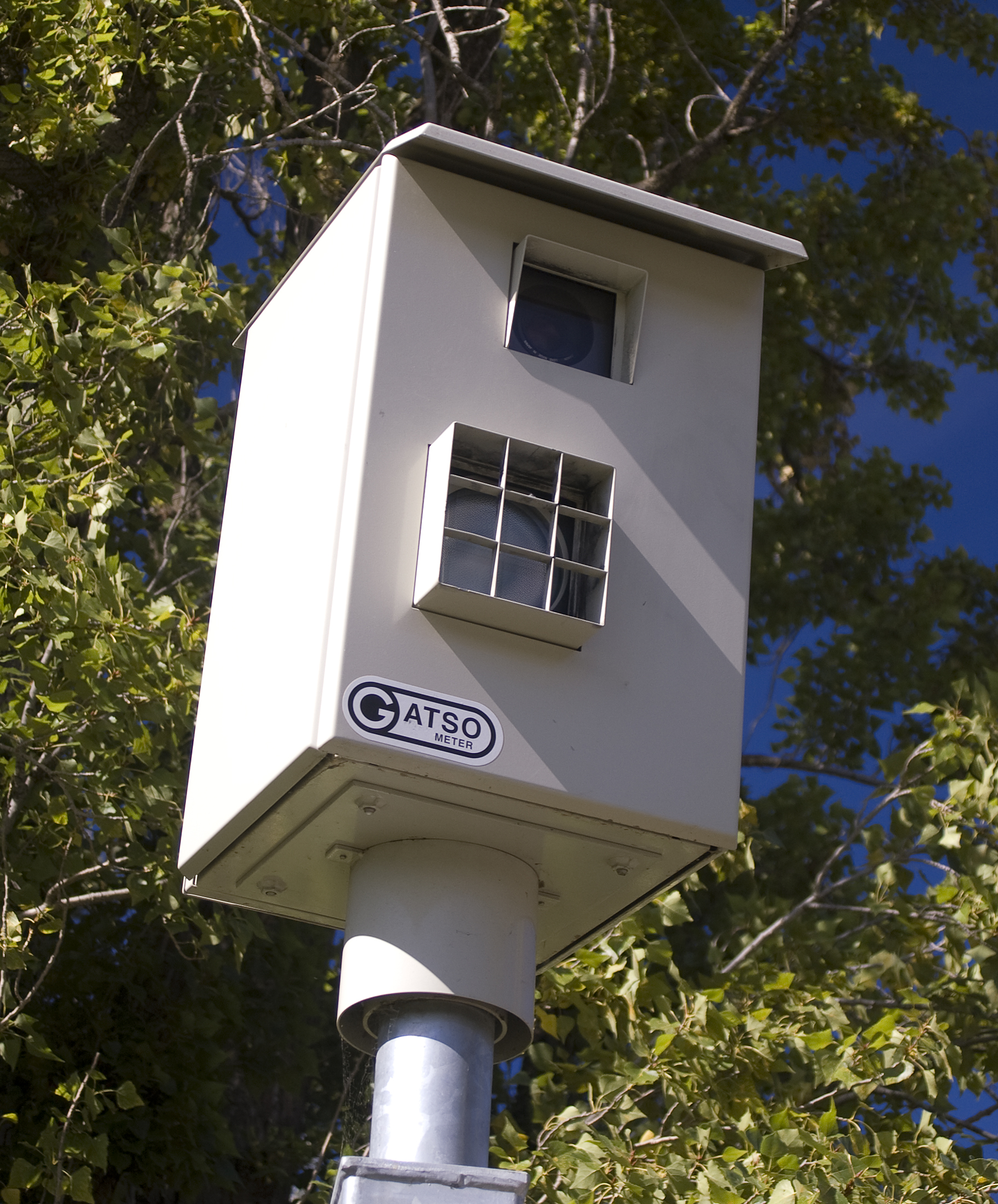
The fairness question is not whether road-safety laws should be enforced, but whether scale is matched by equally scalable due process. As camera networks expand, public legitimacy will depend on transparent performance reporting and appeals that are accessible before errors cascade. Seen this way, the subject is not a finished verdict but a snapshot of a system in motion. Products will be reformulated, software will be updated, series will continue, stores will age, and cultural labels will change; the useful editorial task is to identify which underlying choices are likely to remain meaningful when that happens.
That is a less dramatic ending than a prediction of technological destiny, but it is more actionable. The future will be shaped by thousands of decisions about incentives, safeguards, standards, and accountability, not by capability alone. A smart camera is only half a system; the other half is a smart way to correct it. The strongest takeaway is therefore not a command to buy, believe, visit, or predict. It is a clearer understanding of why this moment matters now and what evidence will matter next.