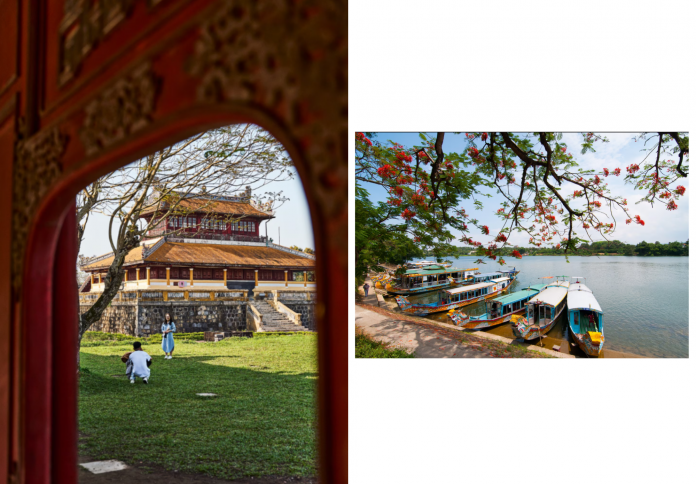
In the imperial heart of Vietnam, the city of Hue is quietly redefining vegetarian cuisine. A legacy of Buddhist ritual and royal refinement converges with locally sourced produce and community values to make plant-based dining not just an alternative, but a celebrated tradition. Here, vegetarian meals are crafted with intention, served with delicacy, and deeply woven into the city’s identity.
A legacy of conscience and courtly care
Vegetarianism in Hue owes much to Buddhist customs: many locals observe meat-free days twice a lunar month in honor of tradition. Yet in recent years, the city has reinvented its vegetarian culture, linking spiritual conscience with refined cuisine rooted in Hue’s royal past. Modern establishments embrace this heritage—serving dishes inspired by court recipes that were originally crafted for royalty, using figs, banana blossom, lotus seed, and fragrant herbs. These meals are refined, deliberate, and deeply contextual—a far cry from utilitarian vegan fast food.
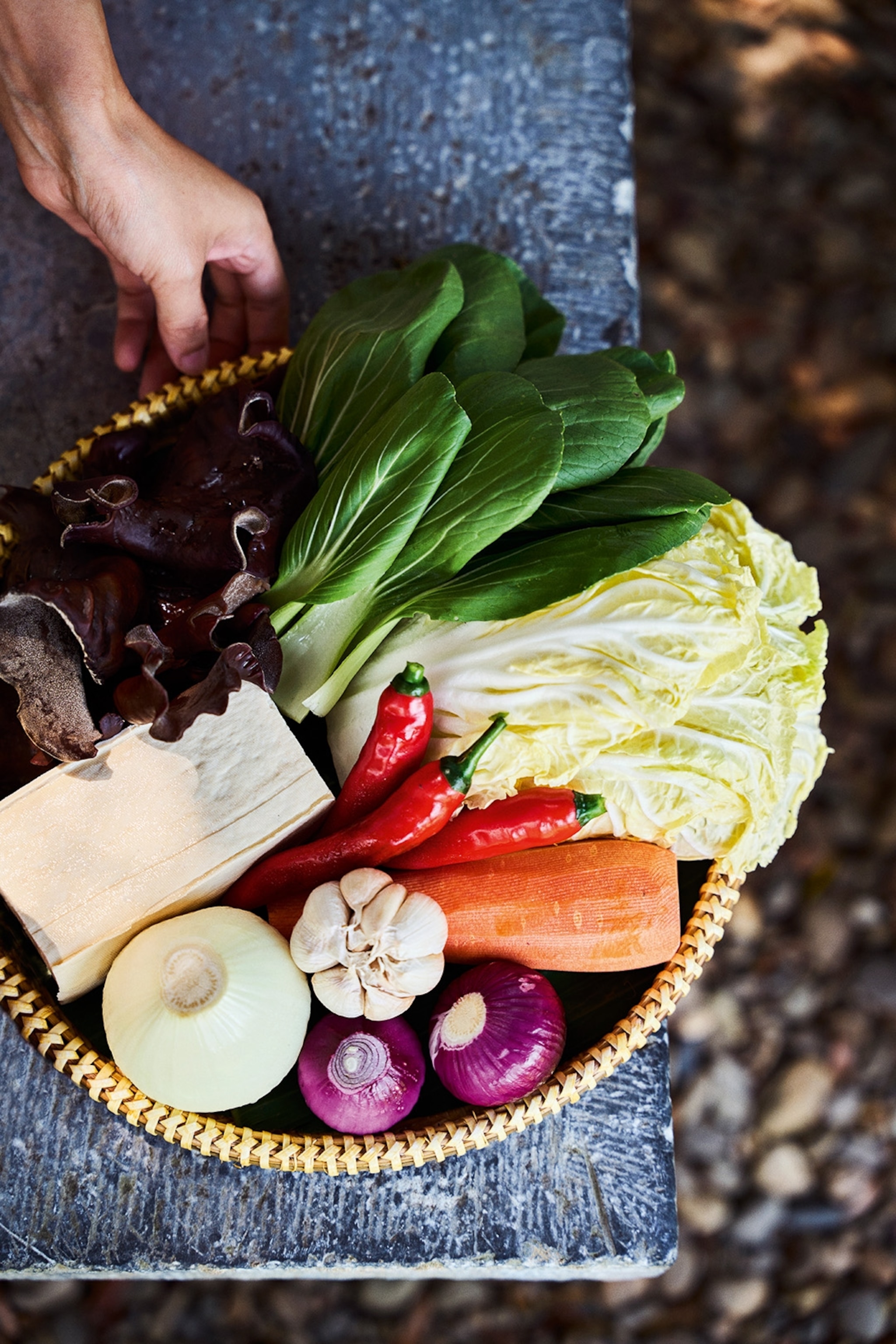
Ritual coexist with innovation: chef‑owners transform ancestral ingredients into elegant salads or soups served in centuries‑old family homes. Cooking workshops invite diners to weave banana blossom with mushrooms and lime leaves, paying homage to local flavors while crafting lighter, fresher cuisine.
Vegetarian dining without compromise
Hue is unique in offering vegetarian food that rivals its best traditional cooking. Artisan restaurants serve over 150 meat‑free dishes—such as vegetarian bowls of bánh bèo, rice cakes topped with mung bean puree, scallion oil, and herbs, or plant-based versions of the local grilled noodle bowl. These dishes preserve flavor complexity without the heaviness of meat, combining texture, spice, and architecture in a plate.
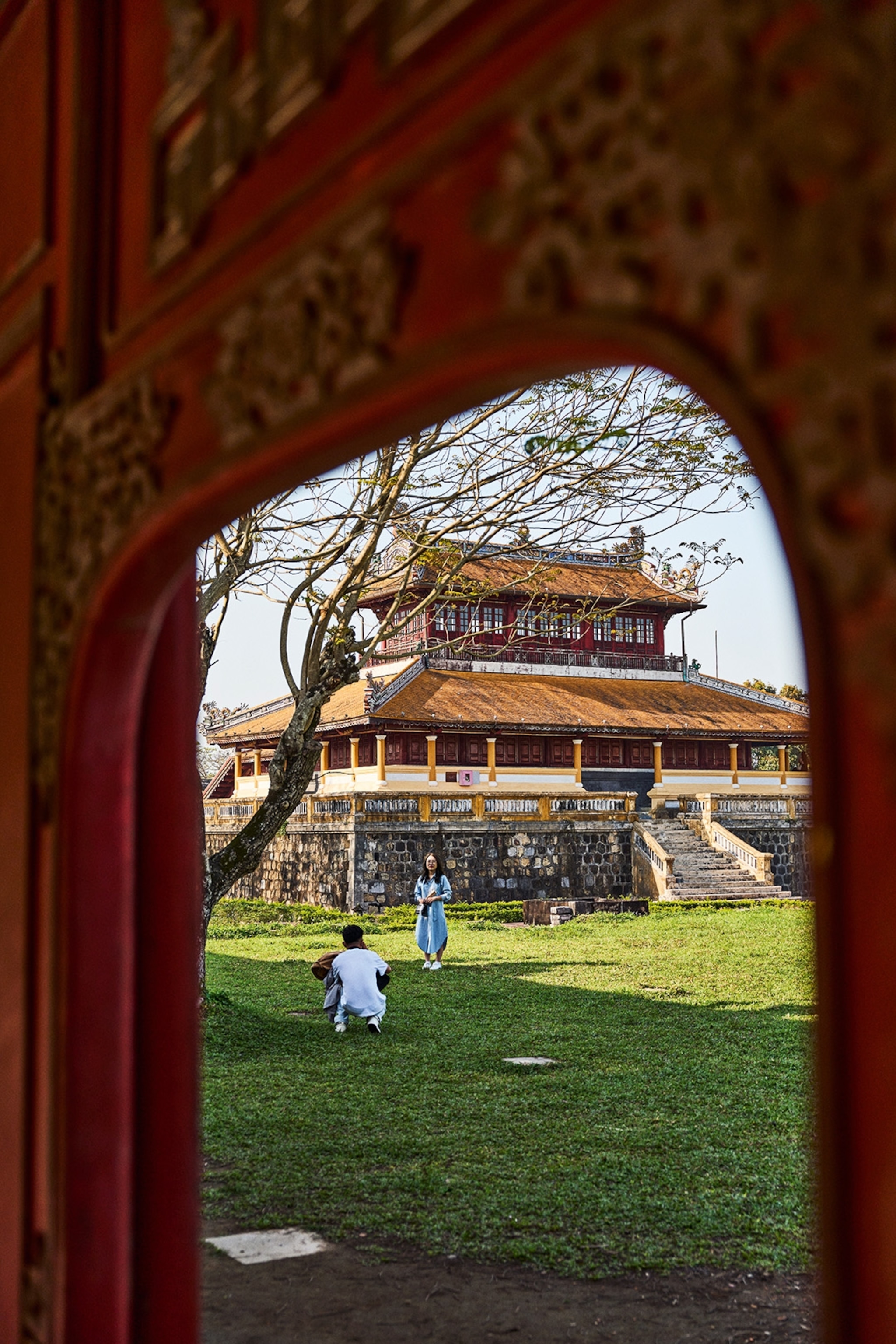
Behind their simplicity lies subtlety: lotus seed porridge, bamboo shoot stir‑fries, or mixed rice preparations all highlight the natural sweetness of central Vietnam produce. Texture plays a central role—mushrooms replacing meat, banana blossom mimicking shredded flesh—while light broths and balanced seasoning speak of control, elegance, and restraint.
Community, sustainability, and shifting norms
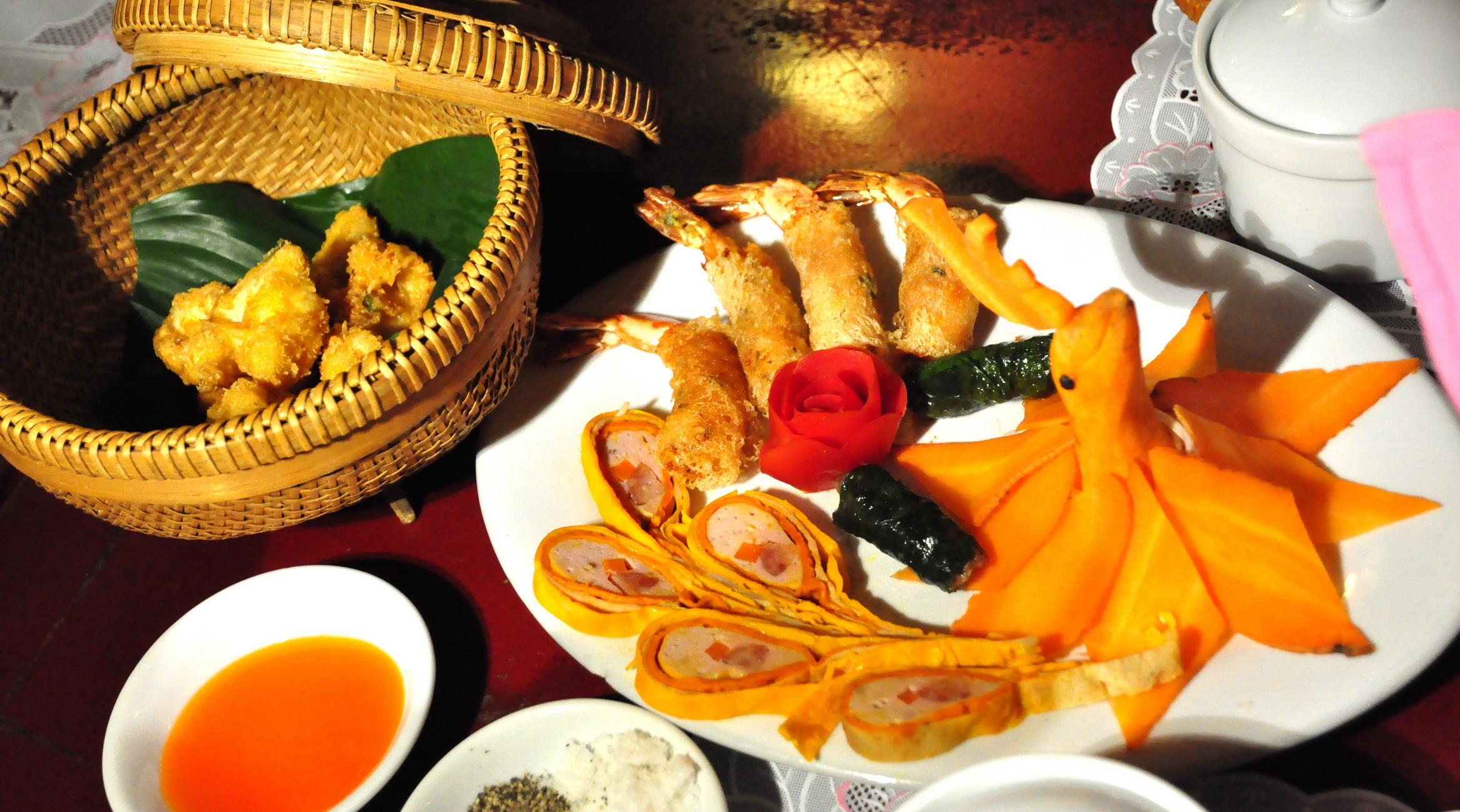
Vegetarian restaurants in Hue often source ingredients from local organic farms, reinforcing ecological and community ties. Many are located in restored clan houses, where gardens supply herbs and produce directly and diners learn recipes that reflect both personal diet and local values. By embracing plant-based cooking as choice, not austerity, these eateries influence both locals and tourists to view vegetarianism as wholesome, flavorful, and socially rooted.
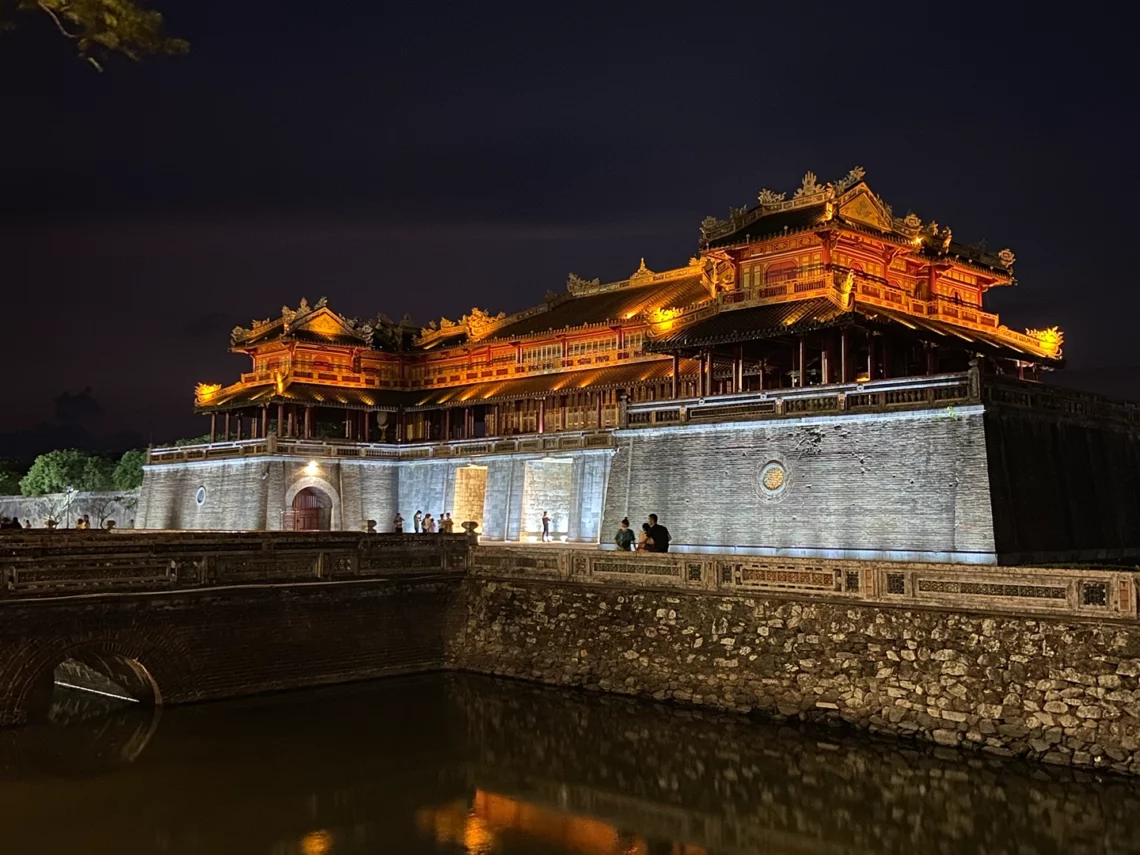
Chef-owners emphasize moderation: encouraging “less meat, more green,” rather than strict abstention. That philosophy respects tradition and modern health concerns alike. It also positions vegetarian cuisine in Hue not as an ethical outlier, but as a mainstream option elevated by craft, ritual, and hospitality.
Why Hue matters beyond its regional identity

This is no passing gastronomic trend. In Hue, vegetarian eating integrates history, health, heritage, and hospitality. It embodies how food can be sacred and accessible, royal and relaxed, spiritual and sensory. For travelers, the city offers more than rice noodle soups and imperial tombs—vegetarian cuisine becomes its own narrative, one shaped by courage, culture, and conscious choice.
Hue delivers a model of eating that celebrates restraint without sacrificing richness. It invites reflection, not restriction—a city where vegetarian cuisine doesn’t fill a gap but defines a tradition.