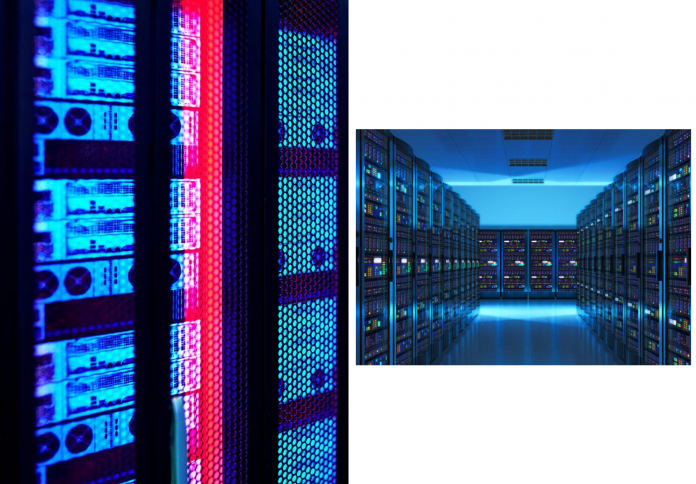
The planned expansion of AI data-center infrastructure in New Zealand is less interesting as a standalone headline than as a window onto how local land, power, and connectivity can support globally controlled digital services. Datagrid has proposed an AI-focused data-center project near Invercargill in New Zealand's South Island. The planned facility has been described at roughly 78,000 square meters and potentially requiring up to 280 megawatts of power. The infrastructure can bring investment and capacity, but the economic story depends on whether local firms and communities capture more than construction work and electricity demand. Rather than treating the moment as a checklist of products, names, or announcements, the more useful approach is to ask what changes for the people who actually use, watch, enter, or live with it. Technical capability and social consequence move on different clocks. A model can improve quickly
The Decision Behind the Technology
Datagrid has proposed an AI-focused data-center project near Invercargill in New Zealand's South Island. The planned facility has been described at roughly 78,000 square meters and potentially requiring up to 280 megawatts of power. A data center is physically local and digitally global at the same time, which makes ordinary measures of foreign investment incomplete. The important point is not simply that these details exist, but that together they define the conditions of the story: who is making the decision, what has changed, and why the moment now feels different from an ordinary product release, workplace adjustment, episode recap, or interior refresh.
Technical capability and social consequence move on different clocks. A model can improve quickly while procurement rules, labor agreements, public accountability, and professional standards change slowly; the gap between those speeds is where many of the hardest questions appear. In this case, that context sharpens the difference between hosting infrastructure and owning the higher-value platforms that run on it. It also keeps the article from mistaking visibility for significance; the most photographed or repeated detail may open the story, but it is the relationship among the details that gives the subject its editorial weight.
Scale Changes the Risk
At that scale, the project could account for about 6 percent of New Zealand's national electricity demand and become one of the country's largest individual users of power. Amazon Web Services previously announced a NZ$7.5 billion plan for a New Zealand cloud region before shifting away from a standalone build toward colocation while continuing local cloud expansion. Those facts create a more useful frame than hype alone. They show how the subject works at the level of format, process, casting, policy, material, or service rather than leaving it as an abstract trend. Power contracts, local supplier participation, skills development, and access for domestic firms help determine how much of the value remains in New Zealand.
The useful question is therefore less theatrical than whether AI is 'good' or 'bad.' It is who controls the system, what evidence is available when it fails, and whether the people affected have a practical route to challenge the outcome. That makes comparison important. The relevant question is not whether every consumer, institution, viewer, or visitor should respond in the same way, but which conditions make the idea work and which conditions expose its limits.
Where Accountability Sits
Data centers can improve latency and local capacity by placing computing infrastructure closer to users. They can also create construction, engineering, operations, and connectivity investment, though permanent staffing is usually smaller than the construction workforce. This is where the story moves from announcement to experience. The subject is interpreted through repeated choices: what gets emphasized, what becomes optional, what is standardized, and what remains dependent on individual judgment. Communities experience the project through land use, grid planning, jobs, and public debate long before most users notice any change in cloud performance.
Scale changes the character of error. A mistake made by one person can be serious; a mistake embedded in a system used thousands of times can become a pattern before anyone recognizes it. That makes auditability and appeal mechanisms part of product design, not administrative afterthoughts. For the planned expansion of AI data-center infrastructure in New Zealand, the tension is particularly visible in the economic upside of infrastructure investment and the opportunity cost of scarce electricity. That tension is productive when it leads to better choices and clearer expectations rather than simply producing another layer of marketing language or speculation.
What the Headline Misses
AI facilities intensify debate about electricity because high-density computing turns power availability into a competitive infrastructure asset. The most valuable layers of the cloud stack—platform software, models, and customer relationships—may remain controlled by global companies even when the physical infrastructure is local. Those details also define the boundary of what can responsibly be claimed. Projected power use and economic benefits should be assessed transparently, especially when a single facility could become a major national electricity consumer. An editorial reading can still be enthusiastic, skeptical, or aesthetically engaged without turning uncertainty into certainty.
Efficiency claims also need a denominator. Saving minutes on one task may create new review work elsewhere, and reducing one kind of labor can increase monitoring, exception handling, or compliance work. The net effect is an organizational question rather than a software benchmark. The point is not to remove pleasure from the story. It is to make the pleasure more durable by separating what has been demonstrated from what is merely possible, and by recognizing that users and audiences bring different needs, tastes, and tolerances to the same idea.
The Governance Test
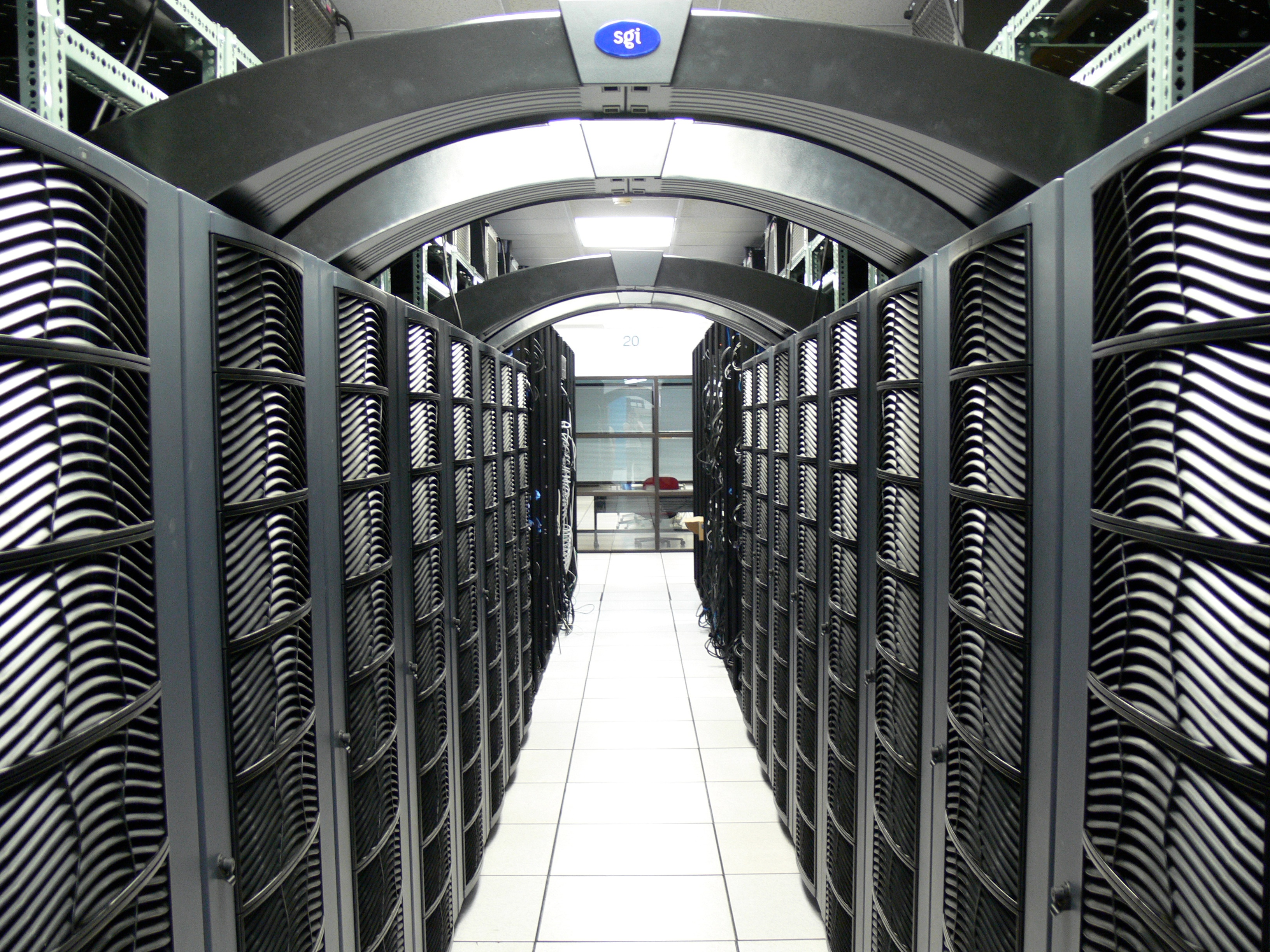
That creates a policy question about how energy, tax, skills, procurement, and digital sovereignty should be balanced. The policy test will be whether new compute capacity strengthens the domestic digital economy without crowding out other productive uses of energy. Seen this way, the subject is not a finished verdict but a snapshot of a system in motion. Products will be reformulated, software will be updated, series will continue, stores will age, and cultural labels will change; the useful editorial task is to identify which underlying choices are likely to remain meaningful when that happens.
The next phase will be defined less by demonstrations and more by institutional learning. Systems that survive contact with real workplaces will be the ones whose benefits can be measured, whose failures can be traced, and whose trade-offs are not hidden from the people affected. Hosting the machines is only the first layer of value; the strategic question is what New Zealand builds on top of them. The strongest takeaway is therefore not a command to buy, believe, visit, or predict. It is a clearer understanding of why this moment matters now and what evidence will matter next.