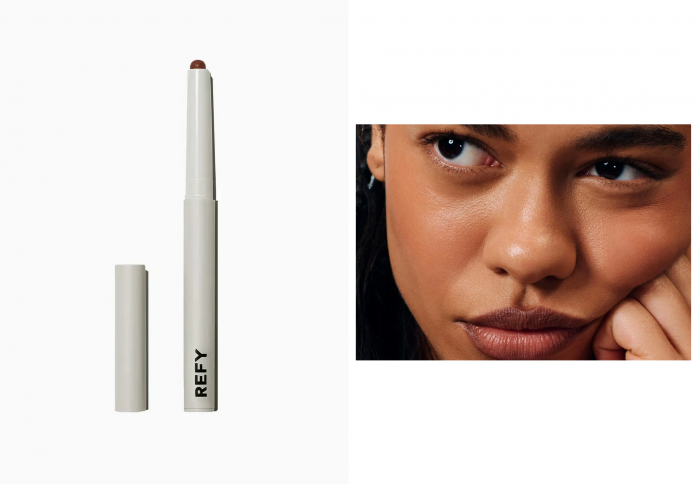
In the evolving lexicon of beauty, the distinction between “lip contour” and “lip liner” has become a central topic of debate. While often used interchangeably in marketing, they represent two different approaches to the pout. Lip liners are the foundational tools of precision—designed to define, sharpen, and act as a barrier for other products. Lip contouring, conversely, is an application technique that uses depth, shadow, and soft blending to sculpt the appearance of volume. As brands like Rhode, Huda Beauty, Refy, and Merit introduce creamier, multi-use “contour sticks,” the lines are blurring, leading to a new category of “lip contouring” products that prioritize a diffused, “lived-in” aesthetic over the sharp, structured edges of traditional lining.
The Fundamental Distinction: Tool vs. Technique
Lip Liner: The Architect At its core, a lip liner is a pencil or crayon formulated with a firmer, more pigmented wax. Its primary function is definition. It is intended to create a crisp border, prevent lipstick from bleeding, and allow you to subtly reshape the lip line.

- Best for: Sharpening the Cupid’s bow, correcting symmetry, and creating a long-lasting base for bolder lip colors.
- The Vibe: Precise, polished, and structured.
Lip Contouring: The Sculptor Lip contouring is not just a product—it is a technique rooted in the principles of light and shadow. By applying a product slightly darker than your natural lip tone to specific areas (such as the center of the bottom lip and the peaks of the Cupid’s bow), you create an optical illusion of depth and fullness.
- Best for: Adding natural-looking volume and “plumping” the appearance of the lips without clinical intervention.
- The Vibe: Soft, diffused, and “pillowy.”
Why the New “Contour Sticks” Are Different

You may have noticed a shift toward “lip contour” products from brands like Rhode or Huda Beauty. These modern iterations are distinct from traditional liners in several key ways:
- The Applicator: Unlike the sharp, tapered points of classic pencils, many new contour pens feature rounded or domed tips. This shape is directly inspired by Asian beauty trends, designed to blur and diffuse pigment rather than draw a sharp line.
- The Formula: These products are often “hybrid” formulas—creamer and more emollient than a classic liner. They are designed to be blended out with a finger or brush, rather than left as a stark outline.
- The Goal: While a liner wants to be seen as the “frame” for your lips, a contour stick aims to be “undetectable,” acting more like a subtle shading tool that mimics the natural shadow beneath and around the lip tissue.
Choosing Your Approach

Choosing the right method depends entirely on the aesthetic you want to achieve:
- Opt for Lip Liner if: You love the “90s supermodel” look, need your lipstick to stay put for a long day, or want to dramatically alter your lip shape by overlining.
- Opt for Lip Contouring if: You prefer the “clean girl” or “effortless” aesthetic, want to enhance your natural shape without looking like you’re wearing heavy makeup, or are struggling with the harshness of traditional liners.

Pro-Tip: You don’t have to choose just one. Many professional makeup artists use a lip liner to map out the shape with precision and then use a contour stick (or a deeper-toned liner blended well) to add the shadow and volume, effectively combining the best of both worlds. Whether you prefer the structure of a pencil or the softness of a contouring crayon, the key to both is blending—the more seamless the transition between your shadow shade and your natural lip tone, the more realistic and “plump” your result will be.