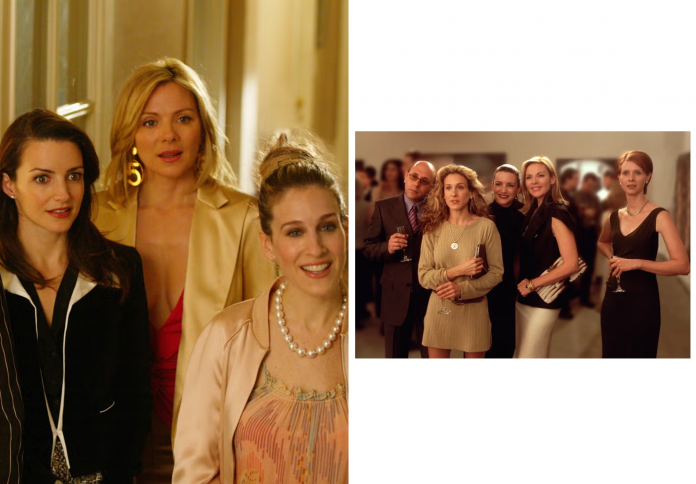
As And Just Like That… enters its third season, audiences are asking: what happened to the bold, confident women of Sex and the City? The characters we once idolised in their thirties now face midlife with greying hair, grief, and hip replacements—and some fans are struggling to watch. But is the problem with the show, or with how we view women and ageing?
The show that once changed everything
When Sex and the City first aired in 1998, it was nothing short of revolutionary. It wasn’t just about shoes and sex—it was about agency, independence, and a female voice that hadn’t existed in mainstream media. Candace Bushnell’s original New York Observer columns gave birth to four characters who shattered TV’s glass ceiling: Carrie Bradshaw, Miranda Hobbes, Charlotte York, and Samantha Jones. Together, they redefined what it meant to be a single woman in her thirties.
By the time the show ended in 2004, it had become a generational touchstone. Women projected their own desires, fears, and fantasies onto the glamorous Manhattan foursome. Whether you related to Carrie’s romantic idealism, Miranda’s pragmatic ambition, Charlotte’s yearning for tradition, or Samantha’s unapologetic confidence, there was space for every type of woman to be seen. Most importantly, the show reminded viewers that life didn’t end at thirty—it often began there.
Ageing in real time—and the problem with And Just Like That…
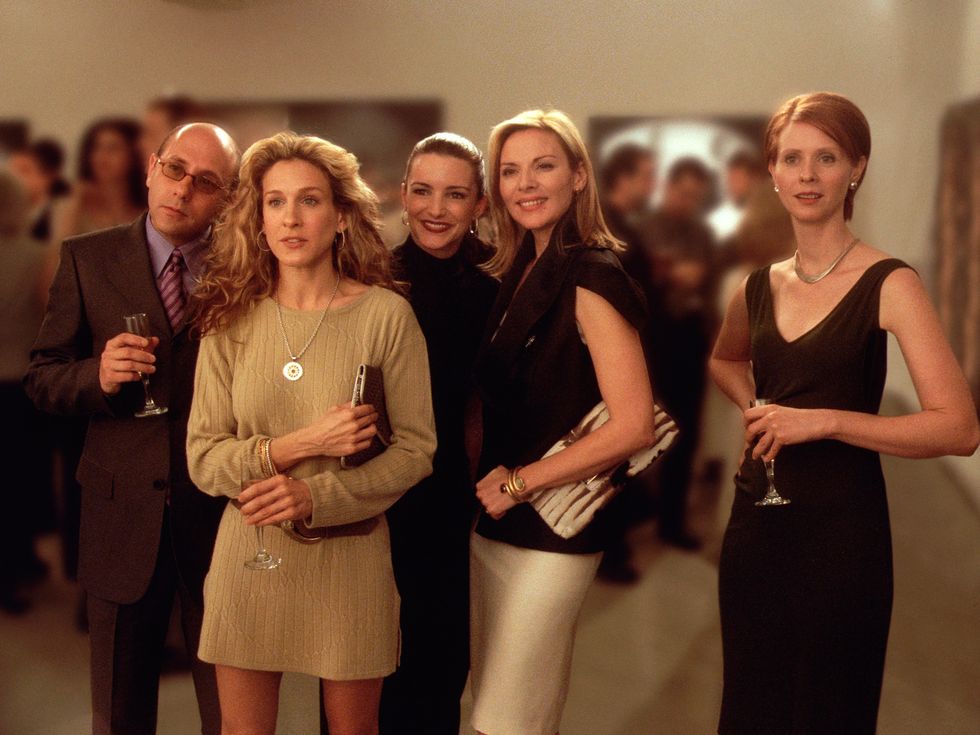
Fast-forward to 2021, and the women of Sex and the City return in And Just Like That…, older, wiser—and to some, disappointingly out of step. Carrie is grieving the loss of Mr. Big. Miranda is navigating a sexual reawakening. Charlotte is contending with parenting a gender-diverse teenager. The storylines are different, not lesser—but somehow, they’ve hit a cultural wall.
The issue isn’t just that the characters are older. It’s that they seem outdated. As though the last two decades of social change—technology, feminism, politics—passed them by while they slept. The boldness that once defined them now feels muted, replaced with hesitance, awkwardness, and a lack of cultural fluency. Are we truly watching the same women who once dismantled gender norms over brunch at Pastis? Or is this simply what midlife looks like—messy, contradictory, and real?
Is it us, not them?
When Sex and the City aired, its core audience was largely aligned with the characters’ age and experiences. Now, those original viewers are in their forties and fifties—but the cultural appetite remains youth-obsessed. Younger fans discovering the franchise retroactively through streaming platforms still idolise the thirty-something glam of the original series. For many, the women of And Just Like That… no longer reflect who they aspire to be.
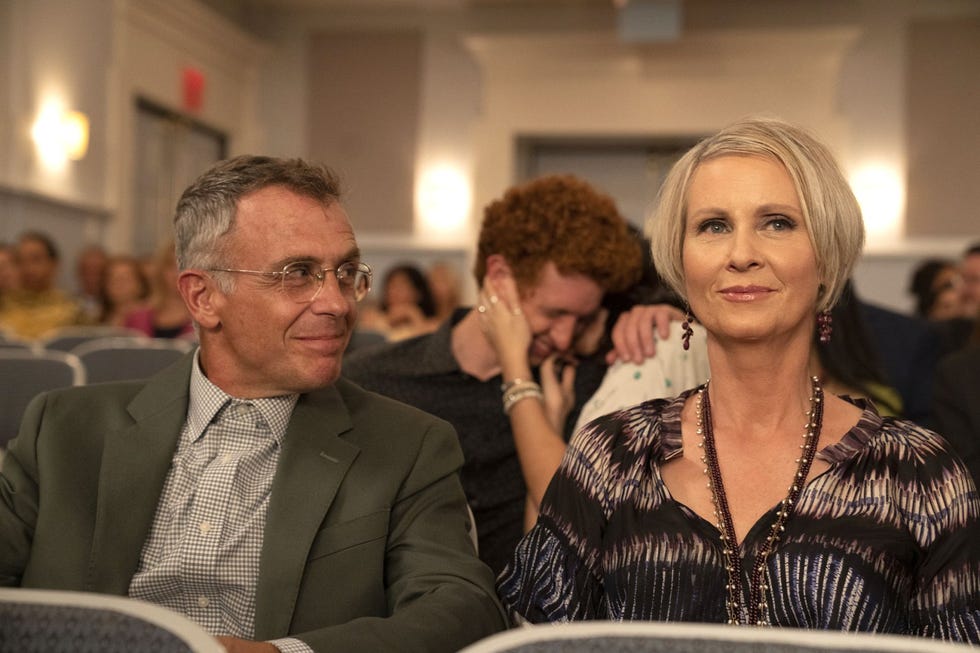
But perhaps that’s the problem. Do we only embrace female characters when they’re in their so-called prime? When they’re dating, thriving, and tottering around in Manolos? What happens when they slow down, lose loved ones, or question long-held identities? Why do we, as viewers, feel less comfortable watching that?
The third season’s premiere drew just 429,000 viewers—less than half the viewership of the series’ debut. The show hasn’t lost its relevance; it’s lost the fantasy. And maybe that’s what we’re really mourning.
Midlife isn’t a failure—it’s just different
Let’s be honest: we once loved Sex and the City because it made thirty-something womanhood look exhilarating. But midlife? It’s quieter. The stakes are higher, the pace is slower, and the confidence isn’t always bulletproof. That doesn’t mean it’s not worth exploring—just that it’s harder to glamorise.
And perhaps And Just Like That… isn’t a failure in execution but a challenge to our cultural expectations. Carrie’s storyline doesn’t revolve around finding “The One” anymore—it revolves around navigating grief and self-redefinition. Miranda isn’t trying to have it all—she’s trying to understand what she truly wants. Charlotte isn’t chasing perfection—she’s learning to release it.
If we gave these arcs to male characters, they’d be praised as introspective, layered, and mature. When it’s women? They’re labelled boring, irrelevant, or out of touch.
The ageism we don’t want to admit
Ironically, the series that once fought against stereotypes is now bumping up against one of the most enduring taboos: women aging. And some of the backlash toward And Just Like That… may say more about our own discomfort than it does about the writing.
Kim Cattrall, who famously played Samantha, once hesitated to take the role at 41 due to “self-inflicted ageism.” This week, she reminded us how damaging that mindset can be—even when it comes from within. “I thought I was too old to play someone that sexually confident,” she admitted. Thankfully, she took the role anyway. The rest is history.
Now we, the audience, may be guilty of the same thinking. Do we reject And Just Like That… because it’s genuinely flawed—or because it challenges our own ideas of what women over 50 should look and act like? Is it possible that our critiques reflect internalised bias rather than narrative failure?
Maybe the evolution is the point
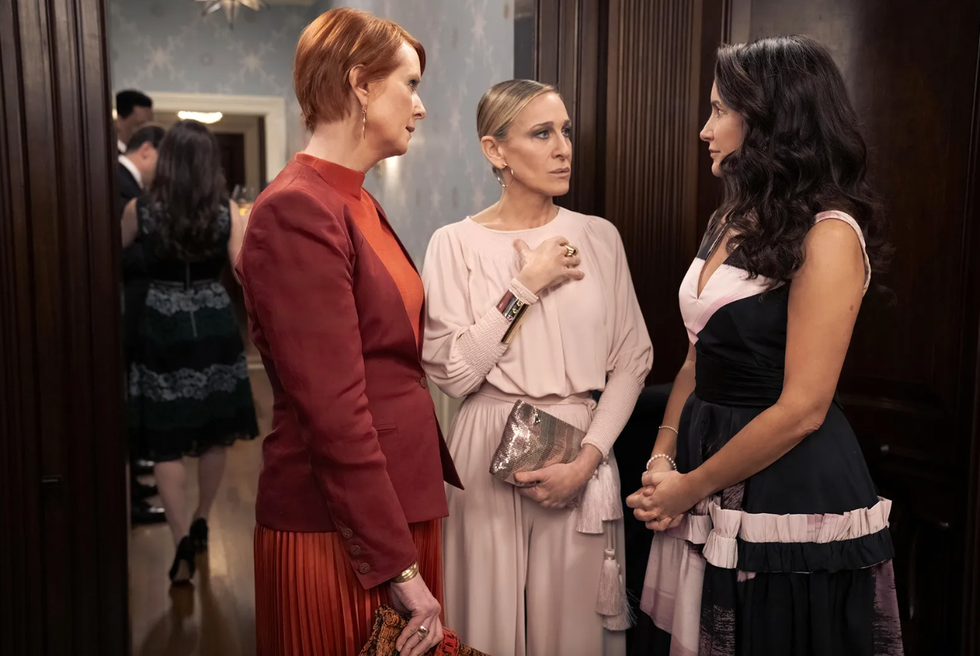
And Just Like That… may never recapture the cultural fire of Sex and the City, but maybe that’s okay. The original show was lightning in a bottle. What the new series offers is something more sobering—and potentially more radical: a space where women can continue to evolve, even when the camera is still rolling.
Yes, the blow-job banter has given way to Botox consultations. But that’s not a downgrade; it’s just another chapter. If the first series gave us permission to be single and sexual at 30, maybe this one asks us to make peace with growing older on our own terms.
And if that doesn’t sit well? We can always rewatch the old episodes. But we’d do well to ask ourselves why we need Carrie to stay frozen in time when real women don’t get that luxury. And Just Like That… season three is now streaming weekly on HBO and NOW TV.