The intense public debate over whether Iranian nuclear sites were “obliterated”—as proponents of a strong military stance insisted—or merely “damaged”—as more cautious intelligence assessments suggested—has raised fundamental questions about the nature, purpose, and credibility of secret intelligence. This narrative echoes historic intelligence failures, from missed signals before 9/11 to erroneous assessments during the Vietnam and Iraq wars. Intelligence, by its nature, operates in the dark, and its public perception is largely framed by either fictional stories of perfect spies or real-world inquiries into catastrophic blunders. This creates a flawed dichotomy where intelligence is simultaneously viewed as all-seeing and deeply flawed. The key lesson is that using classified assessments to justify major military action contains inherent hazards for governments, primarily the risk of leaks and the subsequent erosion of public trust.
The Dual Nature of Intelligence Reporting
Intelligence, fundamentally, is the covert collection and analysis of information using a variety of secret techniques, including imagery, signals, communications, and human intelligence. The conclusions drawn from these efforts are classified, and their successes are rarely trumpeted publicly. In fact, a highly successful intelligence operation usually means that a major disaster or strategic harm has been prevented—a success that must remain silent.

Agencies avoid loudly celebrating these victories to prevent giving adversaries insight into their techniques, reach, and capabilities. Consequently, the public’s understanding of intelligence is largely shaped by two opposing forces: popular culture, which often portrays spies as infallible heroes, and official inquiries following devastating failures, which expose intelligence as being structurally deficient and prone to missing obvious clues. This adversarial framing creates a distorted public perception, treating intelligence as a mystical, all-powerful apparatus that is, ironically, also prone to gross human error.
The Perils of Politicizing Classified Data
The current controversy over Iran’s nuclear program highlights the pervasive risk of using selective intelligence to serve a predetermined political or military goal. When a government chooses to declassify or publicize certain intelligence assessments to justify a significant foreign policy action, they immediately face two enduring hazards.
The first is the risk of leakage from within. Intelligence assessments are circulated among a wide network of public servants and government officials. When analysts or officials disagree with the way their intelligence is being spun or exaggerated to justify a particular political outcome, they often feel compelled to leak the raw, unedited assessments to the public or the media. These leaks immediately reveal any inaccuracies or exaggerations in the government’s official public narrative.
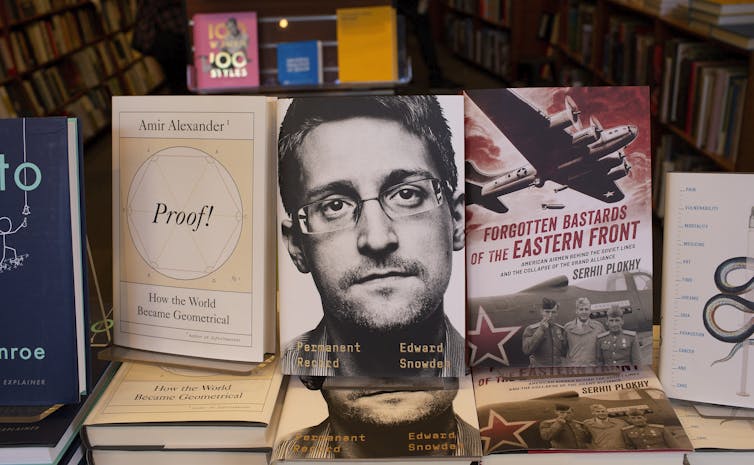
The second is a cascading loss of public confidence. When published intelligence—such as the assessments used to push for the Iraq War based on faulty WMD claims, or the revelations in the Pentagon Papers showing official inaccuracies regarding the Vietnam War—is later proven incorrect or misleading, the public loses trust in its government’s ability to act honestly. The unintended but predictable consequence is a reduction in the government’s freedom to use even accurate intelligence to protect the nation state in the future, as every subsequent claim will be met with cynicism and intense media scrutiny.
Historical Precedent and the Need for Caution
Historical failures provide crucial context for the debate surrounding the severity of the damage to Iran’s program. For instance, inquiries into the 9/11 attacks heavily criticized intelligence agencies for failing to “connect the dots”—for having individual pieces of the puzzle but lacking the collective analytical ability to foresee the plot. The failure was not one of data scarcity, but one of analytical synthesis and foresight.
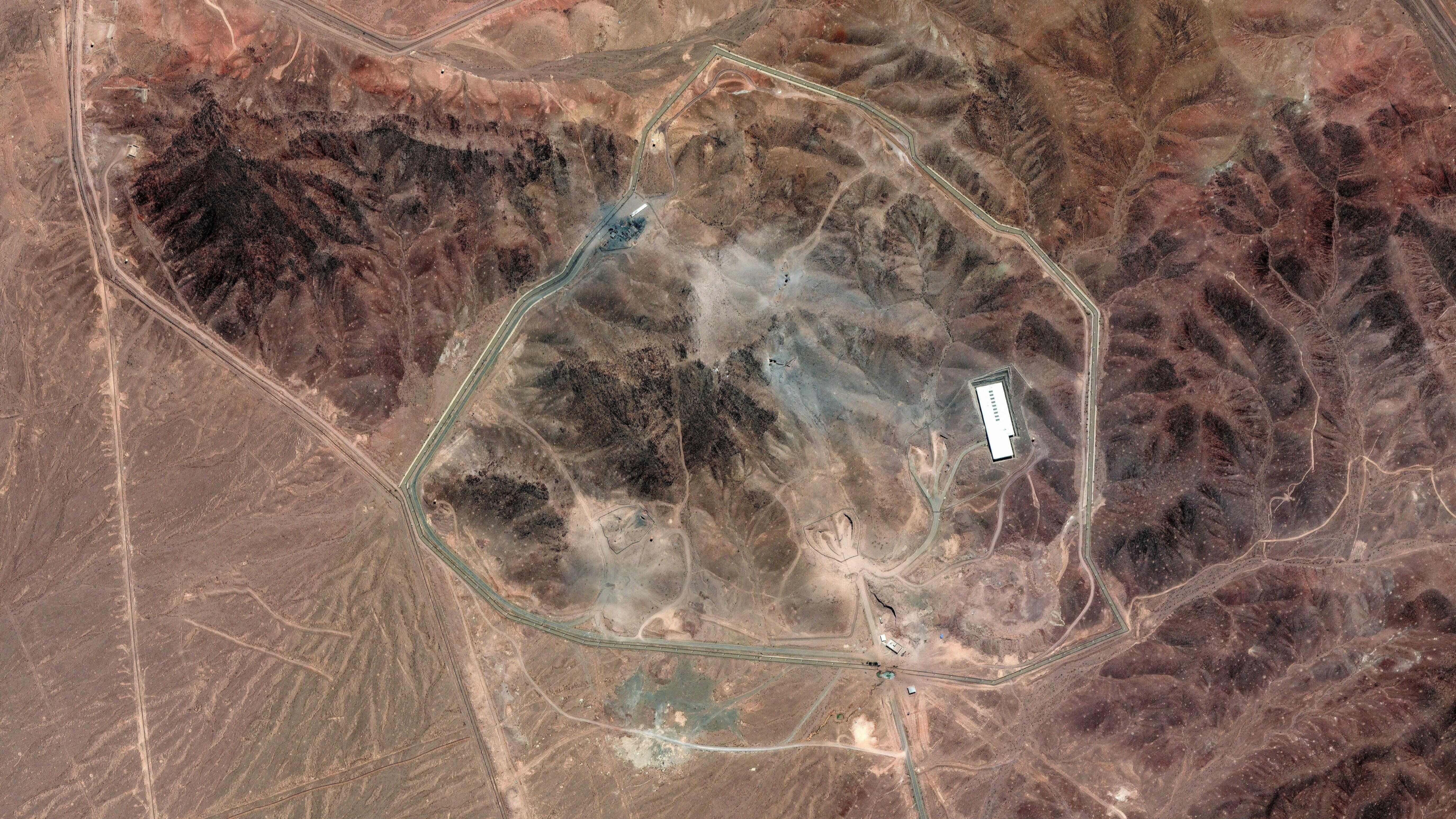
In the context of Iran, the difference between “obliterated” and “damaged” is strategically immense. “Obliterated” suggests a decisive, justification for aggressive military or covert action. “Damaged” implies a temporary setback that supports a path of continued sanctions, pressure, and patient diplomacy. Whenever governments prioritize intelligence that creates a sense of imminent peril to push a specific course of action, they risk damaging their credibility.
The ultimate lesson is that intelligence must be presented with the utmost candour and caution. When government officials fail to honestly represent the nuance and caveats inherent in complex intelligence reports, they undermine their own authority and compromise the foundational principle of democratic governance: the reliance on factual, trustworthy information to inform public policy.