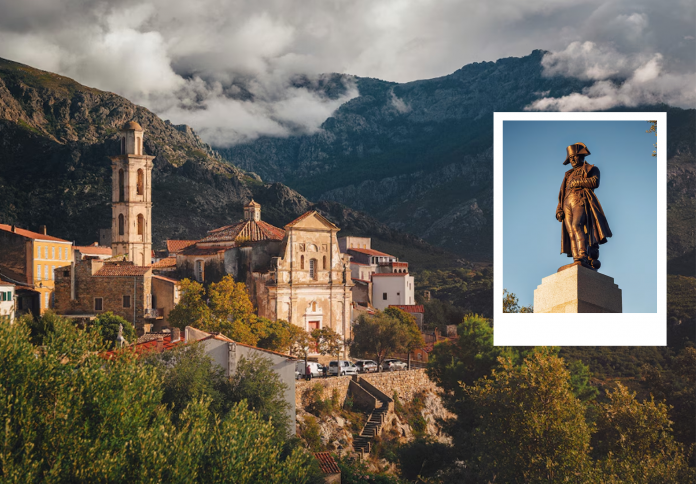
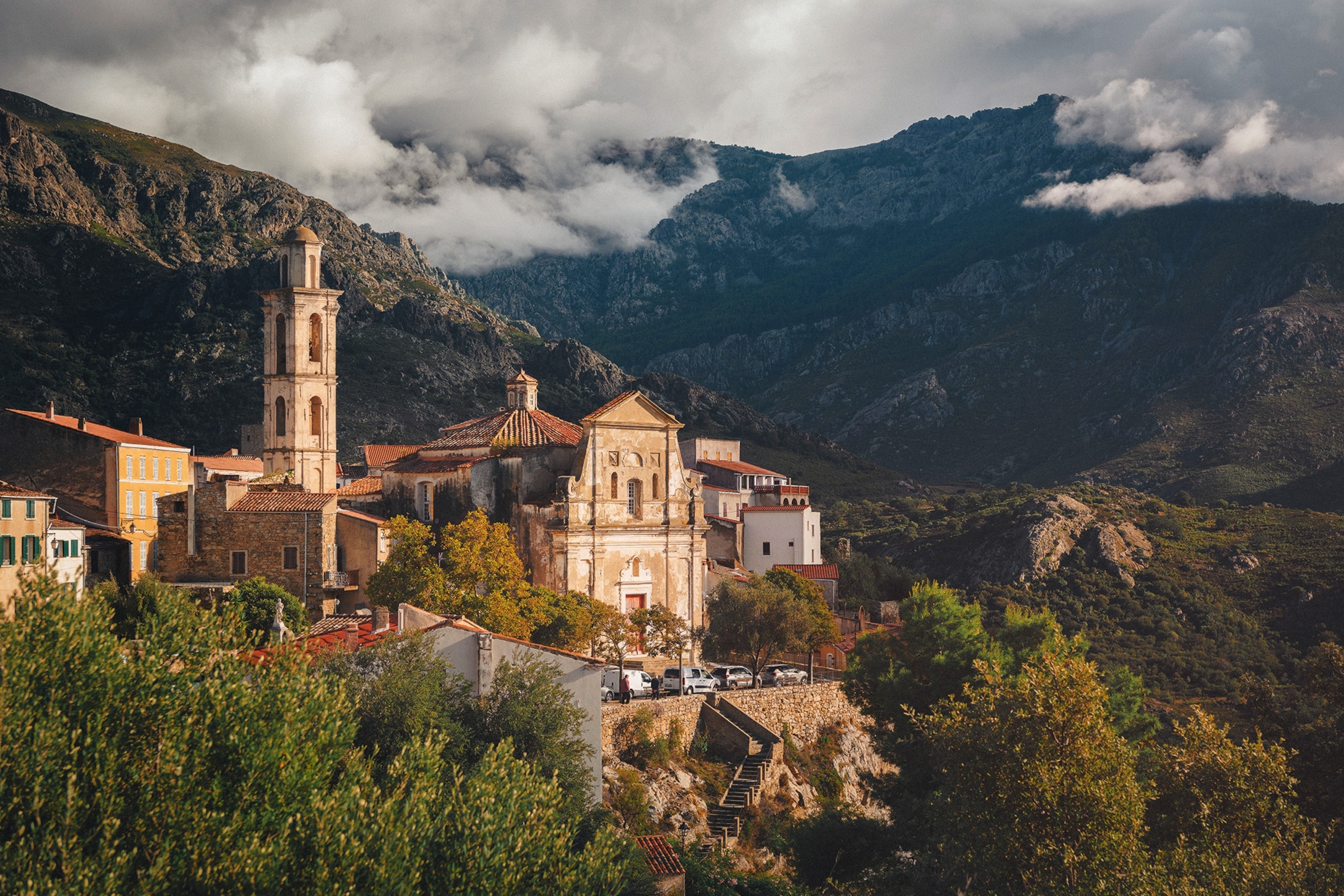
The Mediterranean island of Corsica is more than a sun-drenched travel destination—it is a living tapestry of history, resilience, and deeply rooted cultural identity. From prehistoric settlements and political uprisings to aromatic landscapes and musical traditions, Corsica stands apart, fierce in its independence and rich in its soul.
A past that begins before history
Corsica’s story starts long before the rise of empires. Archaeological evidence shows human presence from the Mesolithic era, with permanent settlements appearing in the Neolithic period. By the late Bronze Age, the torrean civilization had begun constructing stone towers—torri—and castelli, symbols of both defense and community. These structures, especially concentrated in the southern regions, reflect a complex society with ties to nearby Sardinia.
Over time, Corsica became a target for outside powers. Phoenicians, Greeks, and Etruscans came and went, but it was Rome that left a lasting mark. After annexing the island in 238 BC, the Romans used Corsica as a place of exile, including for the philosopher Seneca. The island also became known for its exports: honey, wax, and robust wines. As Rome fell, Corsica passed through the hands of Vandals, Byzantines, and finally into the expanding empire of Charlemagne—each leaving behind traces of their rule, but never fully absorbing the Corsican spirit.
From Genoese control to dreams of independence
Centuries of foreign control shaped Corsica’s politics, but not its pride. During the Middle Ages, the island fell under the influence of Pisa and later the Republic of Genoa. In the 16th century, Genoese governors imposed agricultural reforms, requiring mountain communities to plant chestnut, olive, and mulberry trees. This policy gave rise to regions like Castagniccia, where chestnuts became a staple food and cultural cornerstone.

By the mid-18th century, Corsicans had had enough. Led by Pasquale Paoli, a revolutionary leader educated in Naples, the island declared itself an independent republic in 1755. Under Paoli, Corsica adopted a constitution, established a university, and promoted the Corsican language. Though the republic was short-lived—France annexed the island in 1769—it planted the seeds of national pride. Even Napoleon Bonaparte, born in Ajaccio that same year, was a product of Corsica’s turbulent identity. Though he brought international fame to the island, many Corsicans today view him with ambivalence, seeing Paoli as the truer symbol of their struggle for autonomy.

The scent of maquis and the flavor of survival
Beyond its history, Corsica is defined by its rugged, fragrant landscape. The island’s thick maquis—scrubland filled with myrtle, rosemary, thyme, and wild herbs—covers nearly a fifth of the territory. This tangle of greenery has long been both sanctuary and symbol. During occupations and uprisings, rebels disappeared into its folds. Today, its heady scent still rises with the summer heat, a sensory reminder of endurance and independence.

The maquis also influences Corsican cuisine. Wild herbs infuse local honey, cheeses, and meats, creating flavors found nowhere else. Traditional dishes are built on what the land provides: brocciu cheese made from sheep or goat milk, smoked pork products like coppa and lonzu, and chestnut flour used in everything from pancakes to cakes. Many of these products now carry official designations like AOC and AOP, preserving their authenticity while promoting sustainable agriculture. Corsica’s food is not just local—it’s deeply personal, passed down through families and guarded like history.
Language, art, and a cultural reawakening
In recent decades, Corsica has seen a powerful resurgence of cultural identity. The riacquistu movement, which began in the 1970s, called for the revival of Corsican language, music, and heritage. Schools began teaching Corsican again. Polyphonic singing—a haunting, layered style of vocal performance—returned to village festivals and international stages alike. Designated by UNESCO as intangible cultural heritage, these songs are less performance than spiritual expression, often sung without instruments, rooted in oral traditions.

Art is another form of resistance and revival. At the biennale De Renava in Bonifacio, contemporary installations explore Corsican identity through provocative lenses. One towering painting reimagines Napoleon not as a hero, but as a fallen emperor—an outsider to the people who birthed him. Elsewhere, stenciled portraits of Yvan Colonna, a controversial nationalist figure, appear on alley walls and public buildings, symbolizing a complex, unresolved relationship with autonomy and state power.
This cultural reawakening is not about nostalgia—it’s about shaping the future. Whether through music, language, or art, Corsicans are reclaiming their story, reminding the world that they are not just a region of France, but a people with a distinct voice, past, and vision for what lies ahead.