
In a fiery return to Caribbean soil, Australia were bowled out for just 180 runs by a resurgent West Indies side on a chaotic opening day of the first Test in Bridgetown. But the tourists clawed back late, leaving the contest finely poised with 14 wickets falling in less than 80 overs of gripping Test cricket.
A tale of two pace attacks
The opening day at Bridgetown served up a searing reminder of why Test cricket remains the sport’s most dramatic format. With the series opener marking Australia’s first red-ball appearance in the West Indies in a decade, few could have predicted the frenzy that unfolded.
After electing to bat on a dry and slightly sluggish pitch, Australia were steamrolled for 180 inside 57 overs. It was a stunning performance from the West Indies seamers, with Jayden Seales taking a commanding 5-60 and Shamar Joseph, once again playing the role of Aussie tormentor, claiming 4-46. The pair exploited every ounce of movement available, executing a plan that focused on full lengths and stumps-targeting precision. “We knew the batters would come hard if we gave them width,” said Seales. “So we kept it tight, full, and straight. It was a bit slower than they expected, and that worked in our favor.”
Their strategy reaped early rewards as Australia stumbled to 22-3, with debutant Sam Konstas managing only three and Josh Inglis falling cheaply for five. The top order’s collapse set the tone for a day dominated by seam bowling.
Australia’s brief fightback
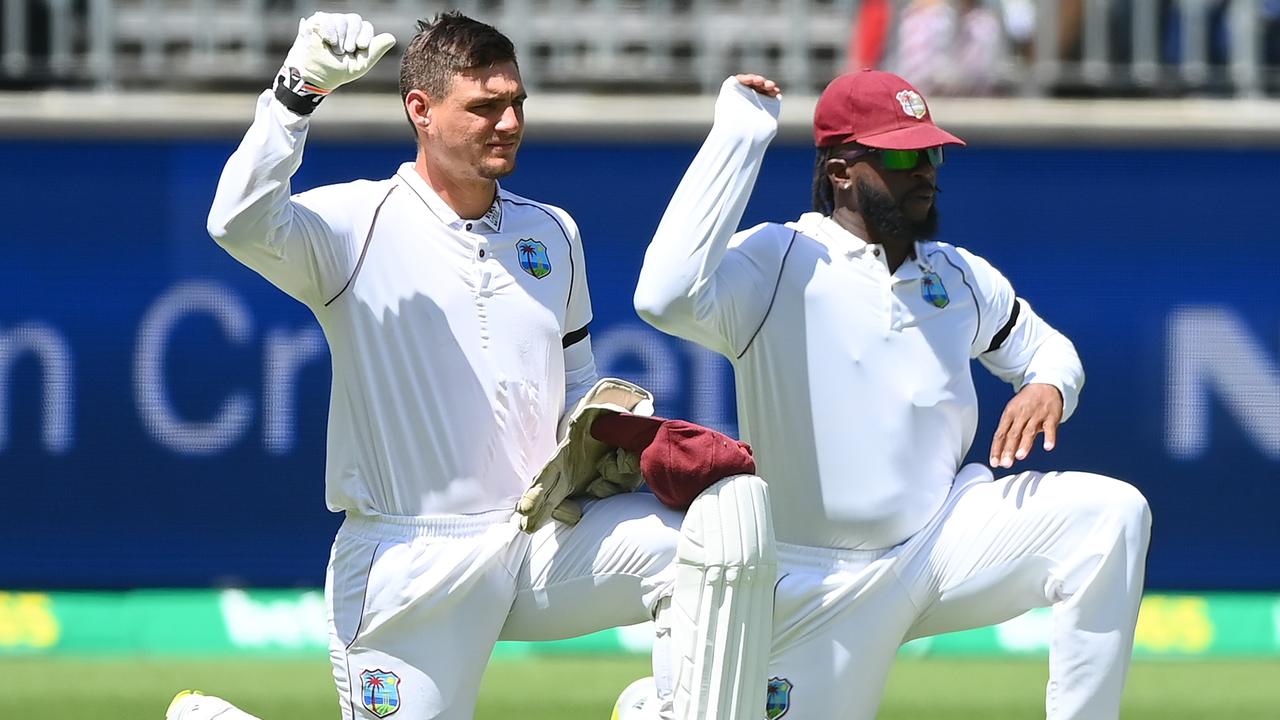
Despite the collapse, Australia found some stability thanks to Travis Head and Usman Khawaja, who combined for a much-needed 89-run stand. Khawaja, living dangerously, was dropped twice before Shamar Joseph found the edge for his third scalp. Head, as ever the counter-attacking heartbeat of Australia’s middle order, struck a composed 59 but lacked support from the lower order.
Once Head was caught behind off Justin Greaves, Seales polished off the tail with ruthless efficiency. Only Pat Cummins (28) showed any resolve among the tailenders, with Beau Webster’s 11 offering scant resistance.
This was a new-look Australian side, still adjusting after their World Test Championship loss to South Africa. With Steve Smith injured and Marnus Labuschagne dropped, the reshuffle in the top order clearly left gaps. But if the batting disappointed, the bowlers ensured Australia remained in the fight.
Starc and company restore balance
If West Indies’ pacers had lit up the afternoon, Australia’s veteran seamers struck back under fading Caribbean light. Mitchell Starc, steaming in with menace, removed both Kraigg Brathwaite and John Campbell in successive overs to jolt the West Indies response early.
Pat Cummins then got in on the act, dismissing Keacy Carty with a precision delivery that nicked behind, before Josh Hazlewood castled nightwatchman Jomel Warrican just before stumps. From 0-1 to 57-4, West Indies saw their early momentum curtailed by a probing spell of disciplined fast bowling.
Mitchell Starc, who led the charge with 2-35, reminded everyone why he remains one of the game’s most dangerous new-ball operators. Australia’s trio of Starc, Cummins, and Hazlewood showcased their experience and resilience, ensuring the hosts finished day one still trailing by 123 runs.
Joseph haunts Australia again
Shamar Joseph continues to be Australia’s bogeyman. The Guyanese quick, who etched his name into folklore with that heroic performance in Brisbane 18 months ago, delivered once more with a spell full of fire and finesse. His dismissal of Beau Webster—a seaming delivery that zipped between bat and pad—was the pick of his four scalps.
It’s that combination of raw pace and ability to move the ball off the seam that makes Joseph such a handful, especially for batters still adjusting to unfamiliar conditions. “Shamar has a love for playing against Australia,” said Seales with a smile. “He makes it easy for us.” At just 24, Joseph continues to evolve from a breakout star into a dependable strike weapon, and if day one is any indication, he could be the series’ most decisive player.
A match hanging in the balance
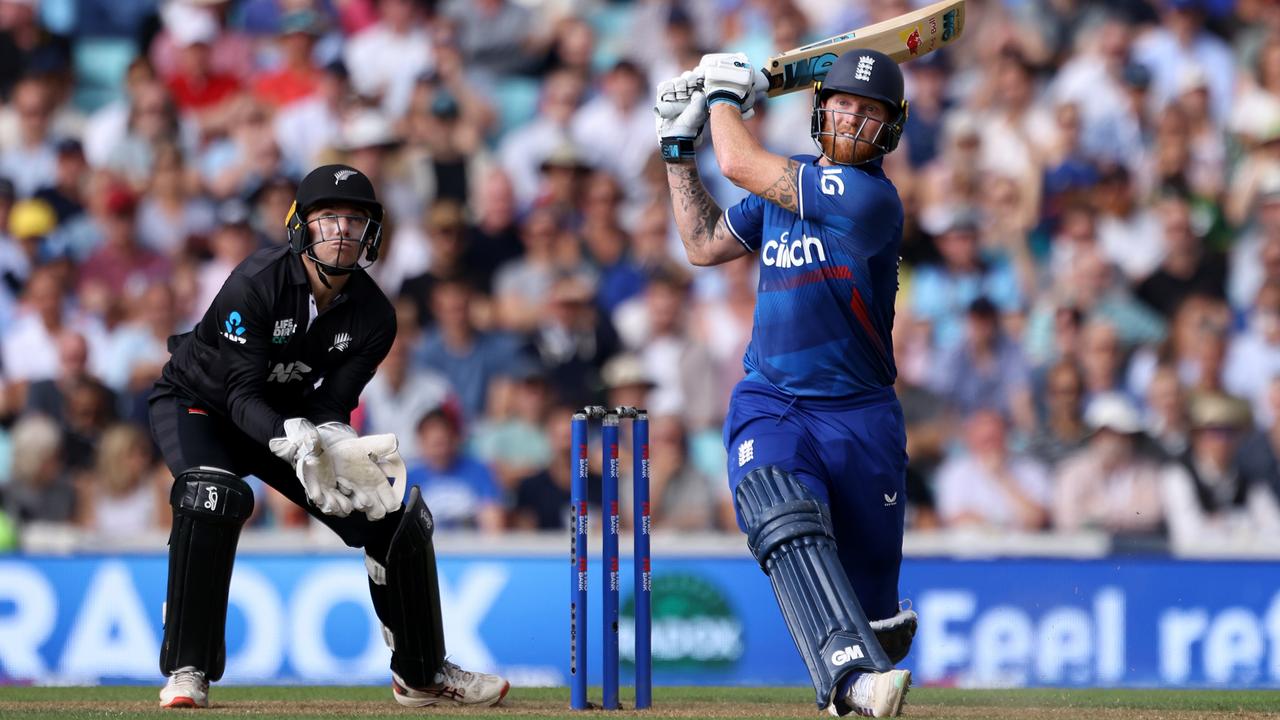
After just one day of play, this Test has already delivered more action than many five-day affairs. The West Indies, chasing their first home Test win against Australia since 2003, showed they have the tools—and belief—to make it happen.
But with their own top order wobbling, and the Australian pace attack in rhythm, it remains a delicate equation. Much will depend on the middle order’s ability to stand tall on day two, as both teams continue to wrestle for control.
In an age of aggressive white-ball dominance, this was vintage Test cricket—unpredictable, ruthless, and magnetic. Bridgetown has ignited, and if the rest of the match mirrors day one’s drama, cricket fans around the world are in for a classic.