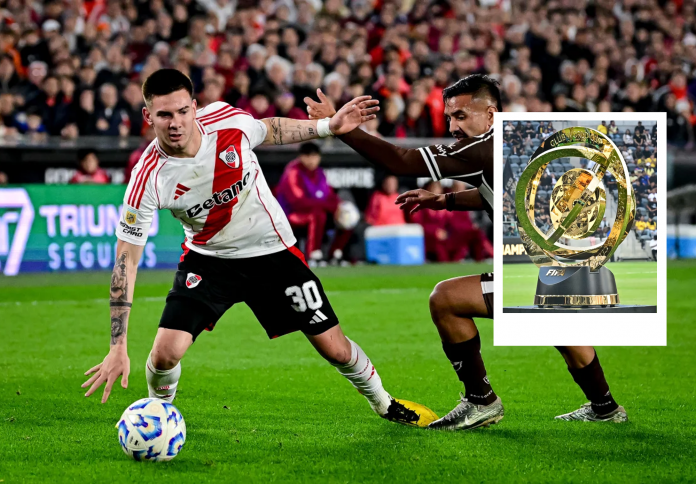
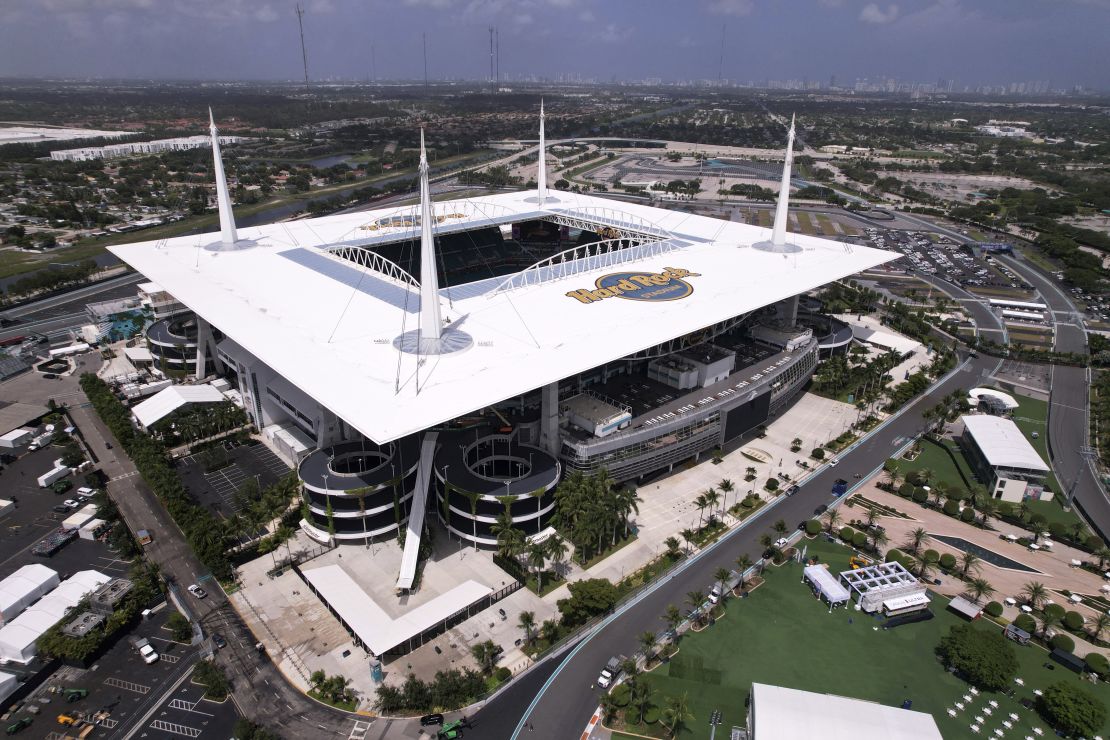
As the 2025 FIFA Club World Cup kicks off in Miami, the United States steps into soccer history as the inaugural host of the tournament’s most ambitious expansion yet. Featuring 32 teams from across the globe and a revamped format modeled after the traditional World Cup, the competition signals FIFA’s boldest move in decades. With billions of dollars on the line and some of the world’s most iconic clubs participating, the tournament could redefine the global football calendar—or expose its breaking points.
A World Cup of clubs: Format, vision, and stakes
From June 14 to July 13, the FIFA Club World Cup will showcase an unprecedented convergence of club football’s elite. For the first time, 32 teams will compete in a month-long tournament following the same format used in national team World Cups from 1998 to 2022: eight groups of four teams, followed by a knockout stage beginning with the round of 16.
The tournament boasts 12 European heavyweights—including Real Madrid, Bayern Munich, Manchester City, and Paris Saint-Germain—alongside 10 teams from the Americas such as Boca Juniors, Flamengo, and Inter Miami. Rounding out the field are four clubs each from Asia and Africa, and one from Oceania—an amateur side representing the region. This expanded version is FIFA’s latest attempt to elevate club football to a truly global scale, and it’s not just about prestige. The tournament promises to generate as much as $21.1 billion in global GDP impact, with $9.6 billion projected for the United States alone. With $1 billion in prize money on the table and a potential $125 million payday for the champion, the financial stakes are historic. But even as the tournament aims for greatness, the cracks in the foundation are already showing.
Big names, empty seats: Can the tournament fill stadiums?
While FIFA has positioned the new Club World Cup as a commercial and sporting revolution, ticket sales suggest a more tepid start. Despite ambitious projections of 3.7 million spectators, large swathes of seats remain unsold just days before kickoff.
Ticketmaster listings show steep declines in ticket prices from their initial offerings. For example, the opening match between Inter Miami and Egypt’s Al Ahly dropped to $69, while Real Madrid’s debut in Miami against Al Hilal hovered at $265. Even marquee matches like PSG vs. Atlético Madrid in Los Angeles had tickets available for as little as $61.
This pricing volatility may reflect deeper issues. Unlike national teams, clubs don’t represent an entire country. Instead, they attract a smaller, more fragmented base of fans—many of whom live abroad and may not have the resources or time to travel. It’s unclear whether the appeal of watching a club team from Saudi Arabia or Brazil will be enough to fill massive American stadiums, especially without the cultural unity and patriotism that define traditional World Cups.
Latin America’s underdogs face uphill battle
For South American fans, the Club World Cup revives the dream of global glory, but in a more daunting format. The days of a one-off Intercontinental Cup—where a single match gave David a shot at toppling Goliath—are gone. Now, clubs like River Plate, Flamengo, and Palmeiras may need to beat multiple European giants to lift the trophy.
The odds aren’t in their favor. European squads dominate not only in legacy but in resources. Real Madrid’s squad is valued at $1.5 billion, while the most expensive Latin American team, Palmeiras, comes in at just $288 million. Botafogo, Brazil’s latest Copa Libertadores champion, is worth only $183 million—about one-fifth of PSG’s current valuation.
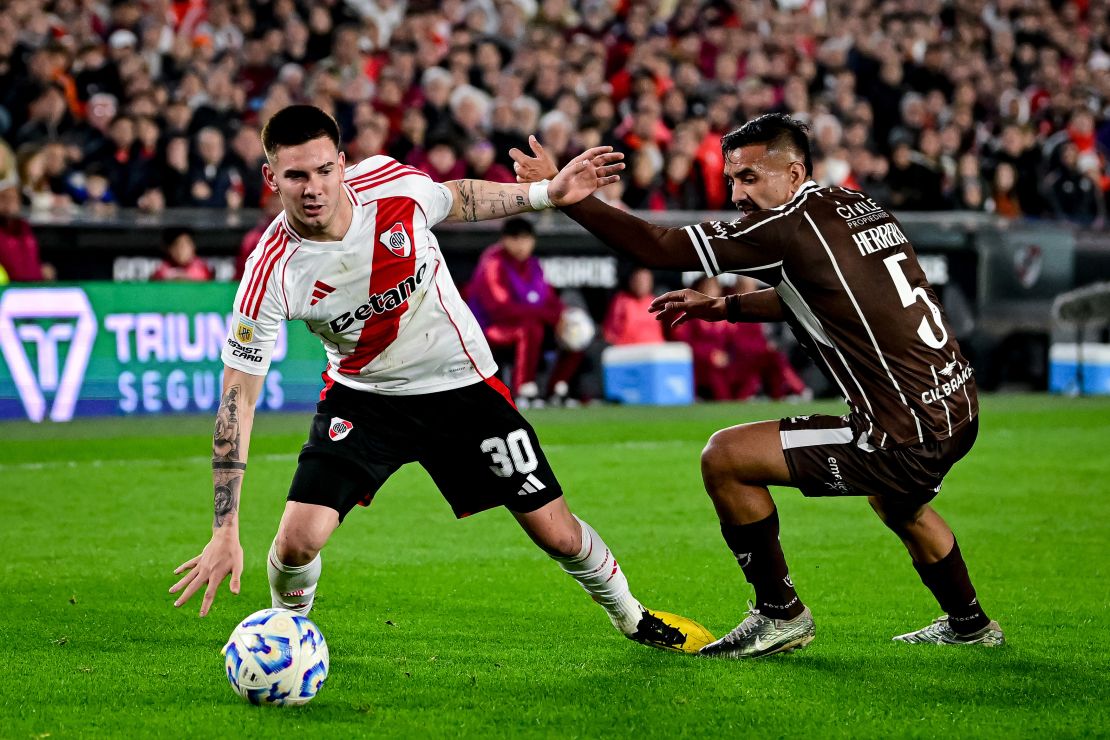
The talent gap continues to grow as young South American stars are increasingly scooped up by European clubs early in their careers. River Plate’s 16-year-old prodigy Franco Mastantuono, for example, will play his final matches in Argentina during this tournament before moving to Real Madrid. Despite the disadvantages, the tournament still holds emotional and symbolic weight for Latin American clubs, many of which see this as a once-in-a-generation chance to defy the odds.
A congested calendar and fatigued stars
While fans may be eager for the nonstop spectacle, players are less enthusiastic about the crowded fixture list. Many stars are entering this tournament after grueling club and international seasons. PSG winger Bradley Barcola logged nearly 3,650 minutes across 58 matches this year, and he’s not alone. Top players from clubs like Real Madrid, Chelsea, and Manchester City regularly exceed 50 matches per season—not including national team duty.
FIFA has attempted to address concerns, eliminating the third-place match to reduce fatigue. But many believe it’s not nearly enough. Brazilian legend Ronaldo voiced his concerns during the tournament draw in December 2024, noting that while he would have loved to play in such a tournament, today’s players are under immense physical strain.
FIFA President Gianni Infantino insists the tournament is being managed responsibly. “We want to do everything for the players to be in the best conditions to perform in the best way,” he told CNN Sports. Yet the increasing rate of injuries and vocal criticism from players worldwide suggest that many feel their well-being is being sacrificed for the sake of spectacle.
Not quite the best of the best
For all the fanfare, the Club World Cup is not a perfect showcase of the world’s top teams. Due to the qualification system, which rewards past continental champions over recent domestic performance, several high-performing clubs are absent. Notably, Liverpool—current Premier League champions—and La Liga winners FC Barcelona will not participate.
In contrast, Chelsea, who qualified by winning the 2021 Champions League, barely cracked the top four in their domestic league this season and failed to impress in the years since their European triumph. The tournament therefore offers a mixed representation of elite club football, blending current powerhouses with sides whose glory days may be behind them. Still, the inaugural edition of this reimagined Club World Cup is a high-stakes experiment. It may be flawed, but it’s undeniably ambitious—and potentially transformative. If successful, it could change how clubs, fans, and governing bodies view the global football hierarchy.
A spectacle in the making
Whether this Club World Cup becomes a new gold standard or fades into a bloated curiosity depends on what happens in the next four weeks. Will packed stadiums and thrilling upsets validate FIFA’s gamble? Or will half-empty arenas and fatigued players signal that global club competition, in this format, is a bridge too far? For now, the world watches. The stakes are high, the lights are on, and the show has begun.