
Ever since his glittering tomb was unearthed a century ago, King Tutankhamun has remained an enigma, shrouded in mystery and endless fascination. The monumental discovery in 1922, revealing a treasure trove and the iconic golden-masked mummy of the “boy king,” instantly ignited the imaginations of millions globally. While many specifics of his brief reign are still lost to the sands of time, historians have dedicated years to meticulously piecing together the fragments of his life and enduring legacy. This feature delves into what has been learned about Tutankhamun, exploring his surprising ascent to power, the marvels of his remarkably preserved tomb, and the lingering questions surrounding his mysterious early death, all of which continue to mesmerize the world.
Ascent to the Throne: Tutankhamun’s Tumultuous Early Life
King Tut, or Tutankhamun, was born Tutankhaten during ancient Egypt’s 18th Dynasty (1550 B.C. to 1295 B.C.). His early life unfolded during a period of profound upheaval within the kingdom. His father, King Amenhotep IV (believed to be Akhenaten), had controversially steered Egypt away from its traditional polytheistic beliefs to worship a single sun god, the Aten. In a radical move to honor this new deity, Amenhotep IV changed his own name to Akhenaten and named his son Tutankhaten, meaning “living image of Aten.”

Around 1336 B.C., a mere nine-year-old Tutankhaten ascended to power after King Akhenaten’s death, following a reign of about 17 years. The young king quickly set about restoring the old religious traditions of the kingdom, reinstating the worship of its many gods and reopening numerous temples. To solidify this return to orthodoxy, he changed his name to Tutankhamun, meaning the “living image of Amun,” the influential Egyptian god of the air. He also adopted the throne name Nebkheperure, a tribute to the ancient sun god Re, or Ra. Tutankhamun married Ankhesenamun, a daughter of Akhenaten and the famed Queen Nefertiti. Although no surviving children from their union are known, two mummified fetuses found within Tut’s intact tomb are believed to be their stillborn daughters.
A Short Reign and the Miraculously Preserved Tomb
Tutankhamun’s brief nine-year rule was, by most historical accounts, largely unremarkable. He was considered one of the lesser-known pharaohs of his time. Some scholars theorize that due to his tender age, royal advisers and priests may have wielded considerable influence, perhaps even using the boy king as a “puppet” to reclaim their own power after the controversial reforms of Akhenaten.

It has also been suggested that Tut’s successors intentionally removed his name from monuments and historical records due to his association with his reviled father, Akhenaten. This intended erasure, however, inadvertently led to a remarkable stroke of luck: while most of the royal tombs in the Valley of the Kings were systematically plundered over centuries, Tutankhamun’s royal tomb remained relatively unspoiled. This extraordinary preservation meant that when its treasures were finally brought to light in 1922, they offered an unprecedented window into the life of a young king and the broader ancient Egyptian civilization, igniting modern investigations and enduring fascination.
The Lingering Mystery of Tut’s Death and His Enduring Fame

One of the most persistent puzzles that has captivated historians and scientists alike is the cause of King Tut’s death. He was still a teenager when he died, and his demise was clearly unexpected, as evidenced by his burial in an unfinished chamber likely intended for another courtier, suggesting a hasty preparation. Theories about his death have abounded ever since British archaeologist Howard Carter’s momentous discovery in 1922. Some early suspicions leaned towards murder, while later scientific analyses pointed to death from malaria or an infection, possibly linked to a broken leg.

Other hypotheses include a fatal accident or a fall from his chariot, which might account for the missing ribs and sternum observed in his mummy. Conversely, some evidence, such as signs of a clubfoot and numerous canes found in his tomb, suggests he may have died as an invalid. Despite extensive forensic and scientific investigations, the definitive cause of Tut’s death remains a subject of ongoing debate and intense scholarly inquiry.
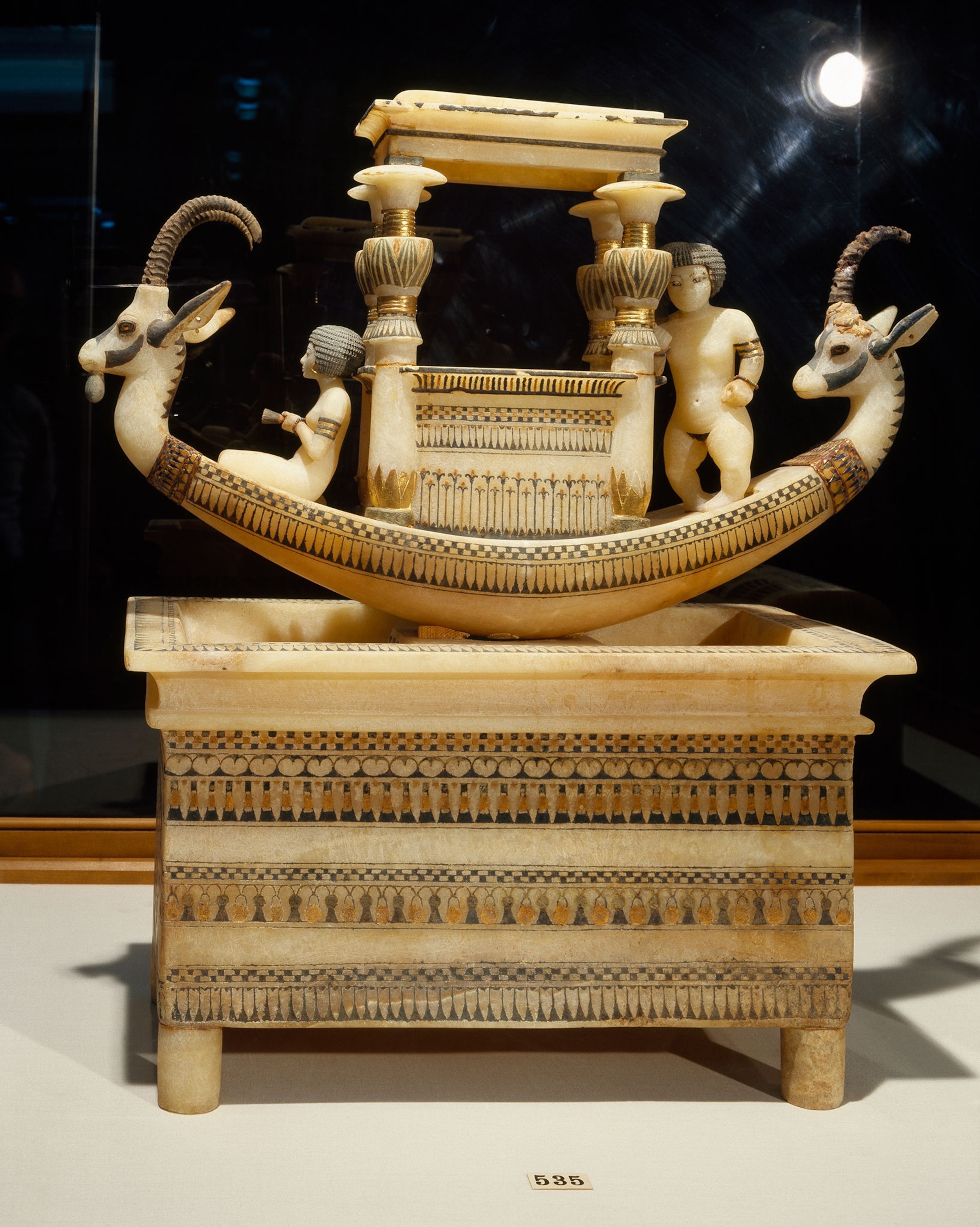
Centuries after his short reign, King Tutankhamun’s memory continues to captivate the world. His magnificent artifacts attract immense attention at the newly opened Grand Egyptian Museum and remain central to understanding ancient Egyptian civilization. The Valley of the Kings, his final resting place, has been designated a UNESCO World Heritage site since 1979, solidifying his enduring place in global history and inspiring new generations of archaeologists and enthusiasts alike.
Five Compelling Facts About King Tut
- Golden Footwear of Triumph: King Tut was buried with golden sandals bearing images of his enemies on the soles, symbolizing his triumph and “trampling” over his foes wherever he went.
- Medical Insights: Scientists utilizing digital imaging and DNA testing have determined that King Tut suffered from a broken leg and likely succumbed to an infection or a disease such as malaria, shedding light on his physical vulnerabilities.
- Elaborate Burial: King Tut was interred in a magnificent golden coffin nested inside two other coffins, a testament to the immense wealth and royal prestige afforded to him even in death.
- Prior Intrusion, Limited Loss: Although renowned for its pristine condition, King Tut’s tomb had indeed been broken into before its modern discovery. However, only small items were stolen, and ancient officials successfully resealed the tomb, preserving most of its treasures.
- A Decade of Cataloging: The sheer volume of artifacts found in King Tut’s tomb was staggering; it took Howard Carter and his dedicated team an astonishing 10 years to meticulously catalog all of the more than 5,000 treasures unearthed.