For many shoppers, luxury promises more than just a product — it guarantees quality, exclusivity, and trust. But a growing number of customers are questioning that trust, as alleged counterfeit items slip through the cracks of even the most reputable retailers. Could the dream of effortless luxury be losing its sheen?
When the unboxing turns into a nightmare
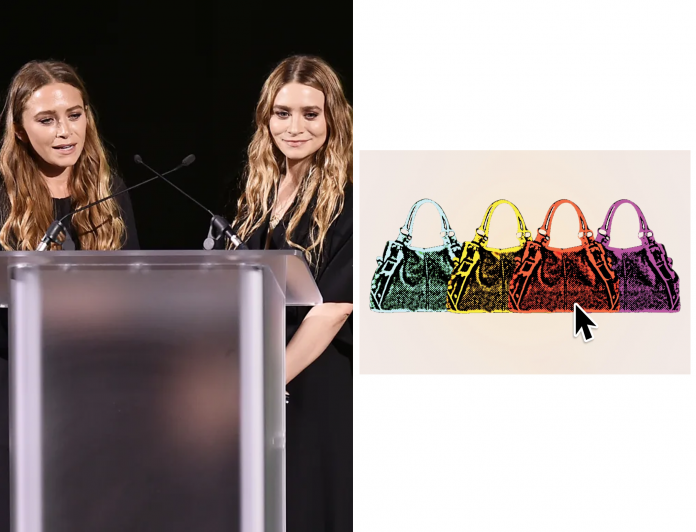
Joan Kim, a content creator based in Los Angeles, thought she had made a smart holiday purchase: a $2,600 leather tote from The Row, the famously minimalist label by Mary-Kate and Ashley Olsen. She placed the order through Saks Fifth Avenue, a name long associated with trust and high fashion. But what should have been a moment of joy quickly spiraled into suspicion.
The bag that arrived didn’t quite match her expectations — or the medium-sized version she already owned. The dust bag was off in color and texture, the logo stitching looked inconsistent, and the overall structure of the bag felt subtly wrong. “I had a feeling it was off,” she later told CNN. Her suspicions turned into frustration as she compared the new tote to her original purchase, noting clear differences in lining, material, and shape.
Kim returned the item in person to a Saks Fifth Avenue store in Beverly Hills and received a refund in the form of a gift card. But the experience left her wary. “After the incident, I haven’t purchased anything online,” she said, vowing to shop only in physical stores for high-end goods in the future. Saks acknowledged the incident but declined to confirm whether the returned item had been counterfeit. In a statement, a company spokesperson said they were enhancing their quality inspection and authentication processes to “ensure that customers receive high quality authentic merchandise in future orders.”
A wider pattern of concern
Joan Kim isn’t alone. Around the same time, another woman named Tiffany Kim (no relation), a dental hygienist in California, claimed to receive a counterfeit version of a top-handle bag — also by The Row — after ordering it from Ssense, a major Canadian luxury retailer. Suspicious of the item’s quality, she purchased the same bag directly from The Row. Placed side by side, the differences were immediately apparent: size, shape, materials, and even the absence of a warranty card.

Ssense responded publicly to her video post, saying they had reached out to resolve the issue and reiterated their commitment to authentic goods. Still, the incident added to growing concern over how counterfeit products might be entering the supply chains of seemingly trustworthy retailers.
The UK’s Flannels, another luxury retailer, has also faced repeated allegations of selling fake high-end products, ranging from Gucci sandals to Moncler jackets. Though Flannels declined to comment on these claims, they have drawn criticism for years from customers who say their luxury items turned out to be fake.
How counterfeits slip through the cracks
In an industry built on exclusivity and authenticity, the idea that counterfeit goods could be sold by top-tier department stores is deeply unsettling. And yet, experts warn that it’s increasingly plausible — not because retailers are careless, but because the systems they rely on are becoming more complex and opaque.

One common vulnerability? Return fraud. “It’s rare, but the impact is substantial,” explained Simon Geale, executive vice president of procurement at supply chain firm Proxima. Speaking to CNN, he described how some counterfeit products may enter the system when dishonest customers return fake items in place of the originals. Retailers, inundated with returns and often lacking the infrastructure to inspect every item thoroughly, may unknowingly resell those counterfeits.
Ona Simpson, a luxury supply chain consultant whose clients include Burberry and Vivienne Westwood, agreed that the issue doesn’t always lie with the returns process itself. Increasingly, the challenge stems from modern sourcing models.
The risks behind the retail curtain
Traditionally, luxury retailers operated under a wholesale model: they bought inventory directly from the brands and sold it through their own channels. But the rise of e-commerce has changed the landscape. Many retailers now use e-concessions or drop-shipping models — which allow them to list and sell items they don’t physically stock themselves. While more cost-efficient, these models introduce additional risk.
“As a customer, you might go onto a website — let’s say Saks — and buy a Prada bag thinking it’s coming from Saks’ warehouse,” said Simpson. “But that might not be true.” Instead, the bag might come from an independent supplier or boutique, and the retailer may have little visibility into how it was sourced or verified. This problem is exacerbated by how luxury brands control access to their products. Labels like Chanel, which famously refuses to sell its handbags online, maintain tight distribution in order to preserve exclusivity. In response, retailers sometimes turn to third-party suppliers just to keep up with demand — especially for trending or hard-to-get items.
While this strategy helps meet consumer desire, it creates vulnerabilities that counterfeiters are increasingly exploiting. “Retailers are trying to keep customers happy, but fraudsters are taking advantage of that,” Simpson warned.
Trust, luxury, and the future of shopping
At the heart of these incidents lies a troubling paradox: the more retailers try to be agile and meet demand, the more their systems become susceptible to error or exploitation. And in an industry where reputation is everything, one bad experience can erode customer trust — especially when thousands of dollars are at stake.
Both Saks and Ssense assert that they’re taking steps to improve product authentication and returns processing. But for many shoppers, the damage may already be done. The convenience of online luxury shopping is now tinged with uncertainty, and for some, the only way to regain confidence is to return to brick-and-mortar stores. “There are increased counterfeits floating around, so every step of the way, there’s a greater chance of mistakes or fraud happening,” Simpson noted. As the industry rethinks its supply chain models and customer service practices, the message is clear: luxury is no longer just about the brand. It’s about assurance — and accountability.