Asian street food is more than just simple dishes—it embodies a refined harmony of preparation and flavor, making it an essential and vibrant part of the global culinary landscape. With bold tastes, fresh ingredients, and masterful cooking techniques, these street-side delights have won over food lovers around the world. Each bite offers more than a meal—it’s a cultural journey into the rich and time-honored heritage of Asia.
Street dishes embracing cultural and historical stories
Asian street food carries a long history intertwined with rich cultural stories. From Vietnam’s phở to Chinese dim sum, from Hanoi’s sidewalk banh mi to Indonesian satay, each dish represents a piece of the larger mosaic of cultural exchange—where people share not just food, but also spiritual values and cherished traditions.
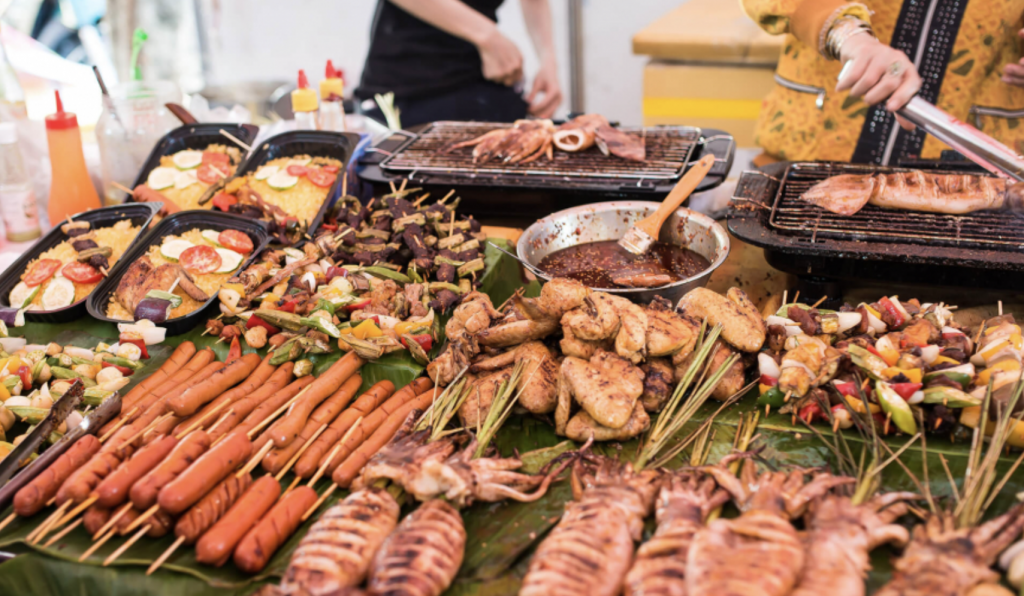
With its affordable prices and rich variety of ingredients, street food has transcended its humble origins on roadside stalls to become a source of national pride and a growing force in the global culinary scene. These dishes are not only easy to find but also carry unforgettable flavors that make it easy for diners to recognize the distinctive identity of a particular culture.
Journey of becoming a culinary quintessence on international diners’ table
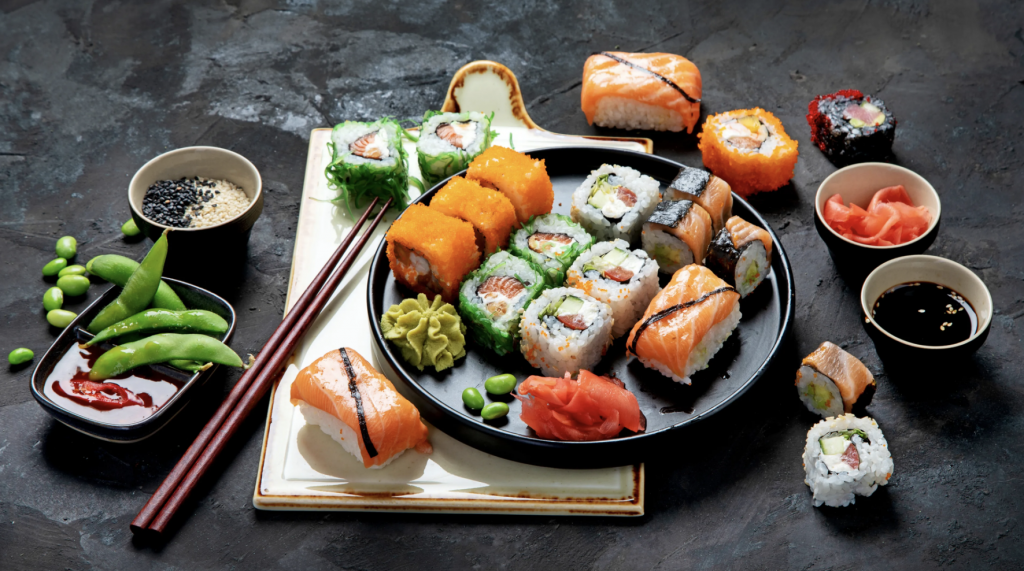
Asian street food has traveled a long journey to reach the global stage — evolving from humble, everyday fare found in neighborhoods, markets, and roadside stalls to becoming culinary icons recognized around the world. Dishes like Chinese dim sum or Japanese sushi have been elevated in status, now featured on the menus of prestigious Michelin-starred restaurants. As these foods make their way into Western countries, they often retain their cultural essence while also being adapted to suit local palates and contemporary dining trends. In fine dining settings, these dishes are prepared with refined techniques, artfully presented, and made with high-quality ingredients, offering a unique and memorable culinary experience.
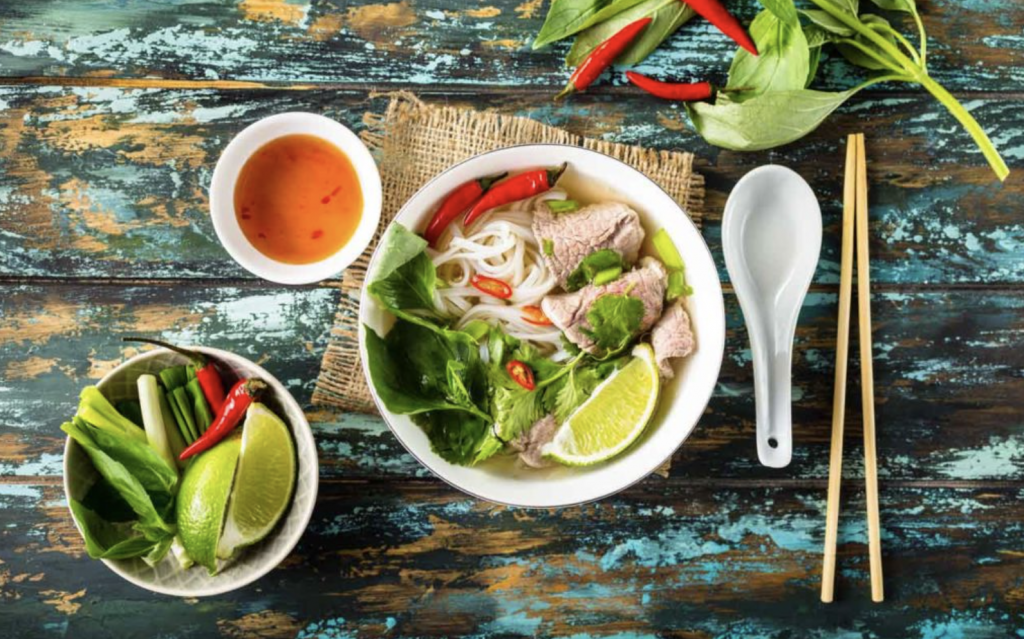
Some Asian dishes are more than just delicious food — they have been recognized as cultural heritage. A prime example is Vietnamese pho, a deeply traditional dish that UNESCO has inscribed as an Intangible Cultural Heritage of Humanity, underscoring the cultural significance and global impact of Vietnamese cuisine in particular, and Asian cuisine more broadly. Similarly, dishes like Chinese dim sum, Japanese sushi, and ramen have become global culinary icons. These foods don’t just captivate diners; they inspire world-renowned chefs to reinterpret and innovate upon them, enriching the global culinary landscape. This affirms that Asian street food is more than nourishment — it’s a celebrated cultural treasure that transcends borders and continues to be honored worldwide.
Gathering tradition and modernity in a dish
One of the key factors behind the allure of Asian street food is its perfect blend of tradition and modernity. While these dishes retain their deep cultural roots, over time, chefs have creatively elevated them to align with contemporary culinary trends and international tastes. These foods are not only adored for their unique flavors but also for their subtle adaptations, which make them easily accessible and beloved by global diners.
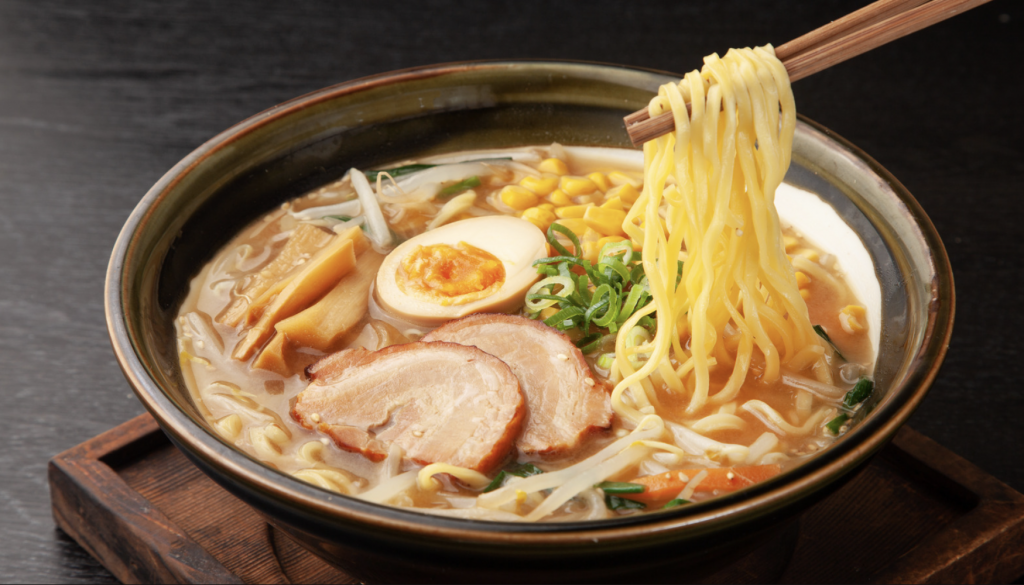
The Japanese ramen is a prime example of this evolution. Originally a simple noodle dish from street vendors, ramen has now become a globally beloved dish and a fixture in Michelin-starred restaurants. Japanese chefs have reinvented ramen in various ways, incorporating high-end ingredients like roasted pork, soft-boiled eggs, and broth simmered for hours to enhance its richness. This transformation has allowed ramen to adapt to diverse flavor profiles, making it appealing to international diners. The fusion of tradition and innovation has helped ramen transcend its Japanese roots, becoming a global dish that anyone can enjoy.
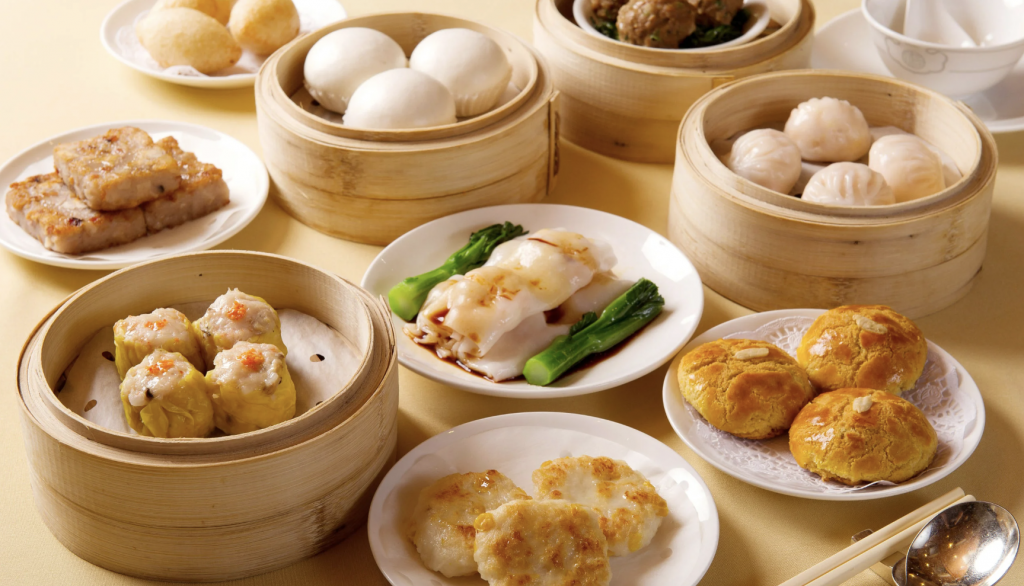
Asian street food is steadily asserting its position, not only in the hearts of food lovers but also within the global culinary industry. Thanks to the perfect blend of tradition and modernity, Asian street food promises to continue shining on the international stage, offering fresh and memorable experiences for those eager to explore culture through food.