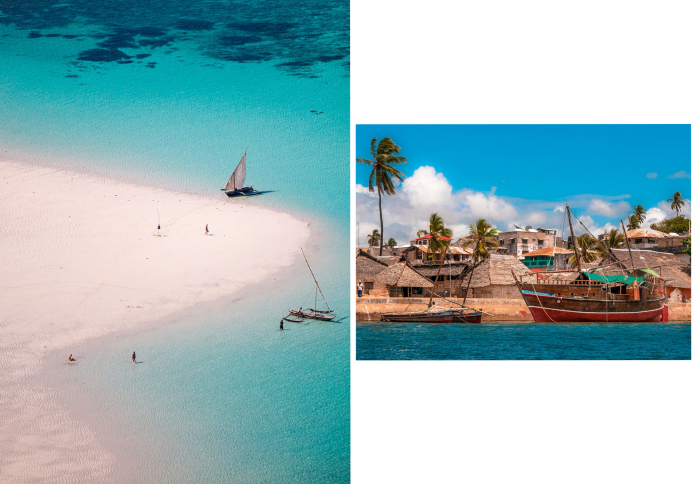
Kenya’s Indian Ocean coast is often attached to safari itineraries as a beach finale, but a route from Diani through Watamu to Lamu reveals a deeper organizing principle. Sacred forest, protected reef and Islamic townscape each ask visitors to slow down and follow local rules. At Kaya Kinondo, shoes come off and voices fall; near Watamu, divers can learn to restore damaged coral while turtle patrols move by red-filtered light; in Lamu, carved doors, coral-rag houses and the call to prayer record centuries of exchange. These environments differ in faith, ecology and history, yet all depend on restraint. The most meaningful access is granted through conduct, not consumption.
Barefoot Into Kaya Kinondo
A short distance inland from Diani’s resort coast, kaya forests protect the remains of fortified Mijikenda settlements dating to around the 16th century. Many groves remain closed, but Kaya Kinondo operates a community ecotourism project led by members of the Digo community. Entry begins with instructions. Visitors wrap a sarong, remove their shoes, lower their voices and avoid disturbing plants or animals.
Guide Mohammed Danda describes the forest as the home of his ancestors. Pod mahogany, strangler fig and combretum grow above paths scattered with roots and pieces of coral stone. Plants are used in traditional treatments, while fallen trees are honored and allowed to decompose so the forest can regenerate. Spiritual respect and ecological process are not separated here; both depend on leaving parts of the place alone.
Watamu’s Living Barrier
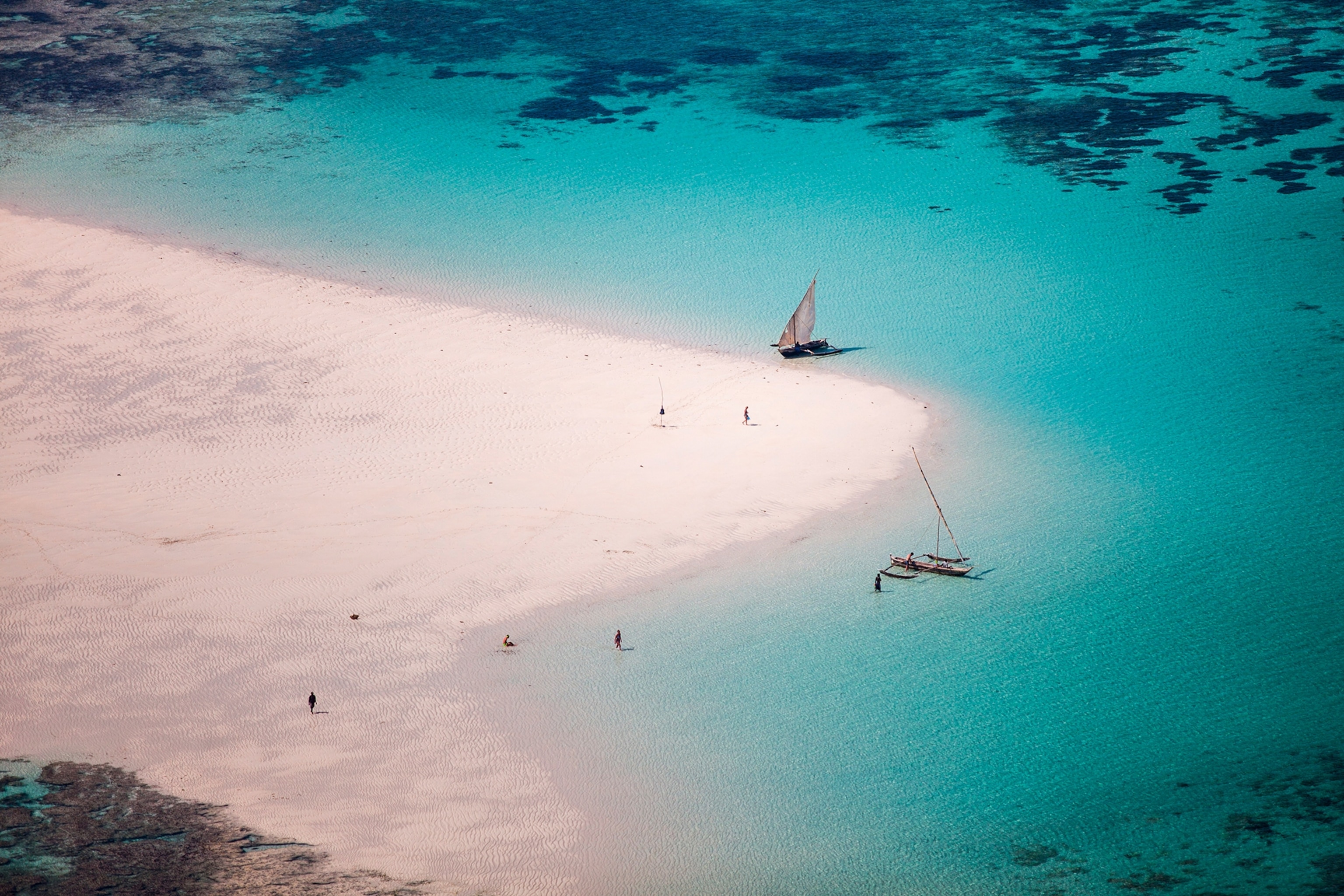
Farther north, the sacred moves offshore. Kenya became the first African country to establish a Marine Protected Area, and its coast now includes marine national parks at Kisite-Mpunguti, Mombasa, Watamu and Malindi, plus six additional reserves. Coral bleaching driven by warmer seas has damaged reefs, but local operators are combining tourism with repair.
Reefo Divers created a PADI Coral Reef Restoration Diver course that teaches visitors to collect broken coral fragments and attach them to artificial nursery structures. The goal is not to let a brief volunteer experience replace professional conservation. It is to make divers understand the reef as vulnerable habitat rather than colorful scenery.
Green, olive ridley and hawksbill turtles share these waters. Females nest between April and September, and hatchlings emerge around the New Year. Local Ocean volunteers patrol beaches after dark using red-filtered torches because white light can disorient the animals. When a turtle begins digging, the group keeps its distance and waits in near silence.
Ruins Between Reef and Town
The medieval Swahili ruins at Gedi introduce another layer of coastal history. Stone structures beneath trees recall trading settlements that connected East Africa to the wider Indian Ocean. They also prepare the eye for Lamu, where architecture remains inhabited rather than archaeological.
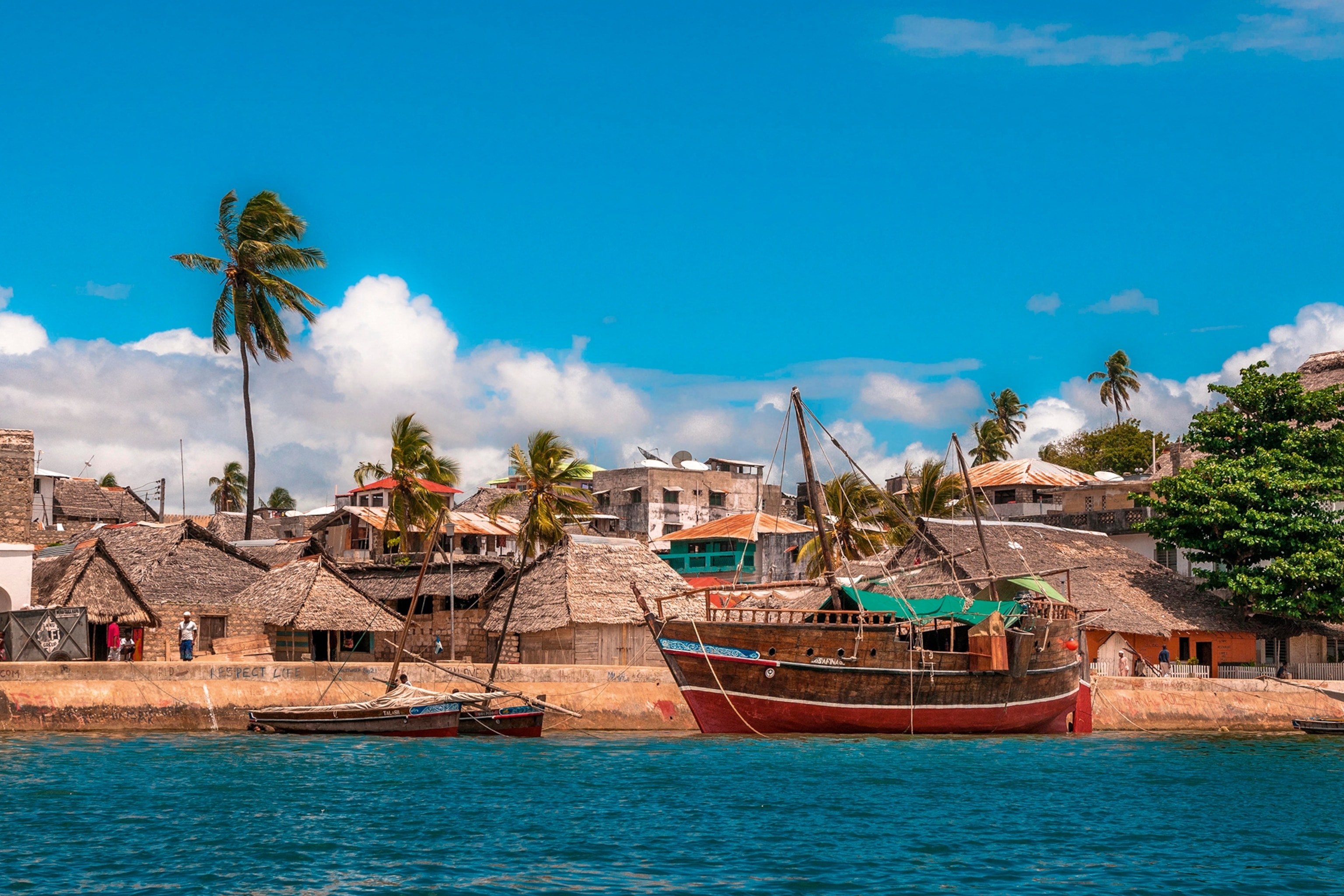
Lamu served as a major trading center from the 14th through 19th centuries. Sheltered waters received dhows carrying spices and gold, along with ivory and enslaved people. The town is now UNESCO-listed for its dense network of coral-rag and mangrove-timber houses, shaded alleys and courtyards. Carved wooden doors display botanical patterns and Quranic verses. Many originals were exported, but skilled replacements continue the craft.
A Mosque That Opened Learning
The Riyadha Mosque, built in 1892 by Comorian scholar Habib Swaleh, became a center of Islamic teaching with an unusually inclusive mission. At a time when status and lineage could restrict religious education, he taught descendants of enslaved people and poorer residents. His reforms still shape Lamu’s spiritual life.
During Maulidi, the annual celebration of the Prophet Muhammad’s birth, thousands of pilgrims arrive from across East Africa and beyond. Habib Swaleh’s modest tomb remains a year-round place of visitation. Elsewhere in town, market baskets of spices and cardamom-scented sweets prepared for iftar connect devotion to daily food.
Movement along the coast reinforces those differences. Diani’s road is crowded with tuk-tuks carrying residents, household supplies and vacationers toward palm-fringed beaches. Watamu is organized around fishing, diving and the protected sea. Lamu’s alleyways, built before motor traffic, favor walking and conversation on the barazas outside houses. The same Indian Ocean remains nearby, but settlement patterns alter how the coast is heard and crossed.
Food also records exchange. During Ramadan, Lamu’s market vendors prepare kaimati and visheti, small pieces of cardamom-scented dough with a crisp sugary exterior. Spice baskets recall centuries of maritime trade, while coral and mangrove timber in domestic architecture show how builders used coastal materials to cool interiors. The Swahili House Museum preserves that logic through its courtyard, whitewashed niches and modest rooms.
History on this shoreline includes violence as well as beauty. Lamu’s wealth passed through networks that carried ivory and enslaved people. Habib Swaleh’s decision to educate poorer families and descendants of the enslaved therefore belongs to a longer struggle over status. His mosque remains sacred partly because learning was widened there.
The route north does not reveal one uniform coast. Digo forest practice, marine conservation and Lamu’s Islamic history belong to distinct communities. Their connection lies in the visitor’s posture. Shoes are removed, white lights stay off, animals are given space and voices soften near tombs and nesting beaches. Permission remains local at every stop. Respect becomes a method of travel.