Lisbon’s current social life is dispersed across rooms, gardens, kiosks, warehouses and the opposite bank of the Tagus. A speakeasy hides behind a knitting shop; private homes host musicians; a museum garden leads naturally to coffee and pastries; former wine warehouses in Marvila have become a mixed-use creative address. Even the city’s most ordinary pause—a small beer or espresso at a kiosk—offers a way into local rhythms. This is not an argument for discovering an untouched Lisbon. Many venues are fashionable, programmed and visible online. Their value lies elsewhere: they show how Lisboetas use the capital between major monuments, choosing intimacy, public space and adaptive reuse as settings for culture, food and an unhurried sunset.
Small Rooms, Live Voices
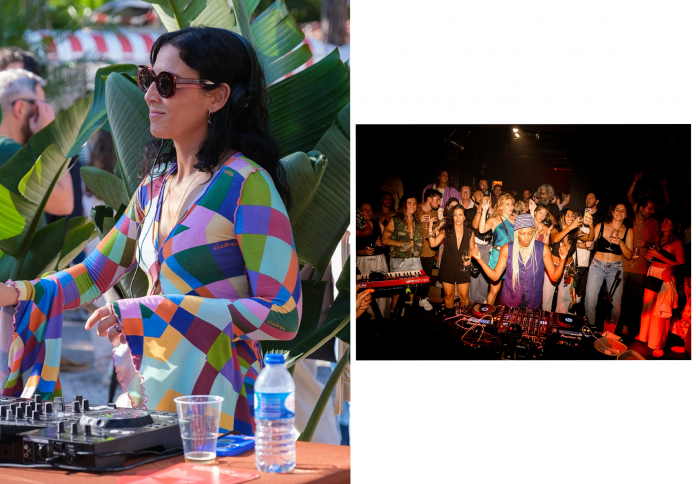
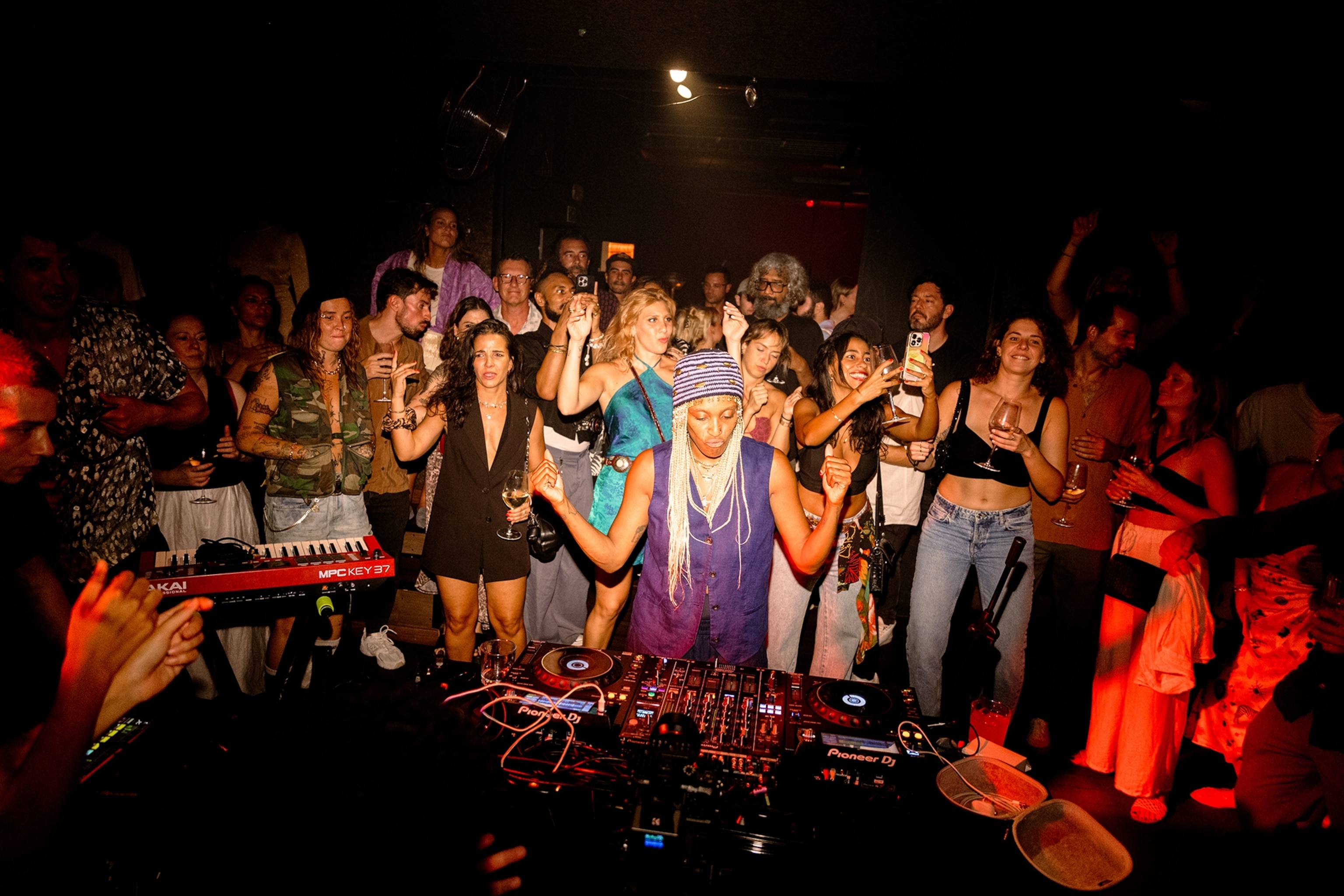
Lisbon’s creative scene often works at the scale of a gathering rather than a spectacle. Badassery conceals itself behind a knitting shop, then opens into a speakeasy for live music and DJ sets. Its event called The Shift gives emerging performers a room with a built-in sense of discovery. Inner Spaces favors conversation, combining poetry, music and storytelling at monthly meetings where artists and listeners can speak to one another.
Lisbon Living Room Sessions makes the setting even more intimate by arranging monthly performances in private homes. The domestic scale changes how music is received: there is little distance between performer and audience, and the room’s ordinary furniture becomes part of the event. These spaces are not substitutes for formal theaters. They represent a parallel cultural circuit built on proximity.
Art Followed by Pastry
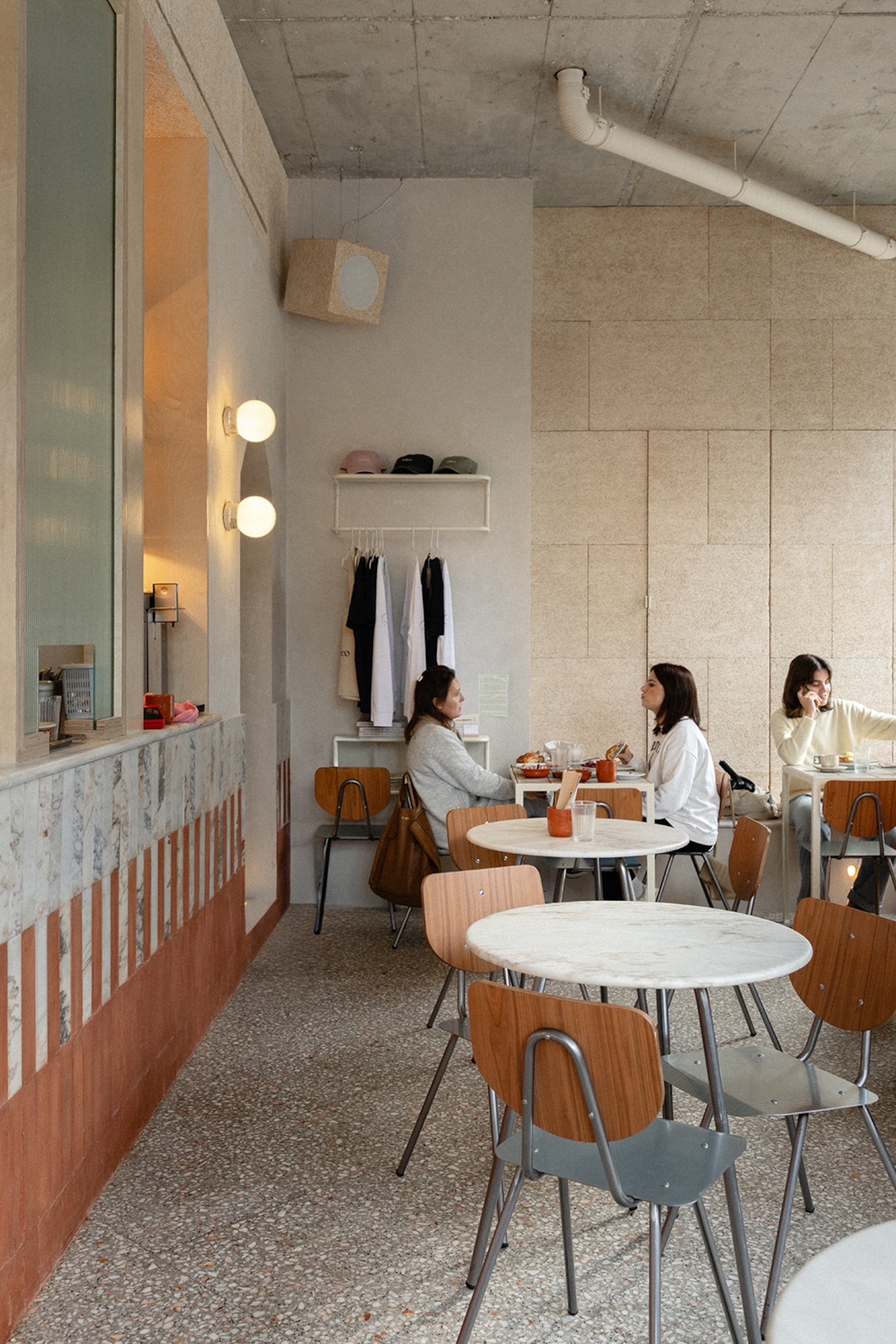
The Calouste Gulbenkian Museum offers a much broader historical range, from ancient Egyptian objects to 20th-century works. Its gardens extend the visit beyond the galleries, giving central Lisbon a landscaped place to wander without a fixed route. The nearby cafe doBeco completes a common local sequence: serious art, green space, coffee and pastry rather than a hurried return to the next landmark.
That combination captures the city at its most comfortable. Lisbon’s cultural institutions are important, but everyday pleasure often comes from what sits beside them. A well-made bica after a museum visit can determine the pace of the afternoon as decisively as the collection itself.
Chicken, Kiosks and the Street Between
On Rua da Boavista, Tasca Bica gives grilled chicken an exacting treatment. Chef Victor Vieira dry-ages half a chicken in Ibérico ham fat, then smokes and roasts it before serving it with house-made piri piri. The dish takes a familiar Portuguese format and adds technique without removing its directness.
Kiosks provide the more casual route. The small structures occupy squares and viewpoints across Lisbon, serving morning espresso, afternoon beer, cocktails and increasingly ambitious menus. Quiosque do Pipo in Santos is known for a spicy margarita; Simo’s Quiosque occupies the Miradouro do Monte Agudo viewpoint; Praça das Flores remains suited to people-watching. A kiosk crawl is less about collecting drinks than moving through public space one pause at a time.
Warehouses and Markets Find New Uses
Marvila in eastern Lisbon has developed into a creative district where industrial fabric supports new activity. At 8 Marvila, former wine warehouses retain their rough surfaces while accommodating restaurants, galleries and small shops. The appeal comes from coexistence: food, art and retail occupy the same network rather than appearing as separate destinations.
Stylista Market takes a temporary approach in Estoril, about half an hour from Lisbon by train. More than 100 stalls combine fashion, homeware, food and music during four editions each year. The 2026 autumn event falls on October 10–11, followed by a winter edition on November 21–22. Its seasonal schedule gives the market the atmosphere of a recurring civic occasion rather than a permanent mall.
The City Seen From the Other Shore
Elysian Tales organizes a four-hour progression through four unannounced culinary venues. The itinerary can move from Michelin-starred access to hearty tasca food, using surprise to keep participants attentive to neighborhoods and stories instead of a fixed list. It is structured, but the withheld destinations preserve curiosity.
For an evening without programming, cross the Tagus to Almada. Ponto Final has become the famous dining viewpoint, yet nearby Jardim do Rio offers the same broad composition of Lisbon’s domes and spires without a reservation. A blanket, a few beers and the setting sun are enough.
Autumn intensifies this dispersed energy. Lisboa Fashion Week runs from October 7–11 in 2026, using cultural spaces for shows, workshops and talks. Lisbon Race Weekend follows on October 10–11, sending participants along coastal and riverside roads. The events differ in audience, but both activate routes through the city instead of concentrating attention on a single monument.
Those dates also place seasonal markets, galleries, running, nightlife and food within the same short window. Visitors can participate without treating local recommendations as secret trophies. The better approach is to notice how each venue relates to its neighborhood: a kiosk depends on its square, a warehouse project on Marvila’s industrial fabric and Jardim do Rio on the view back across the water.
That final view clarifies the network explored during the day. Lisbon’s social life does not gather in one definitive quarter. It moves between hidden rooms, institutional gardens, pavement kiosks, old warehouses and a grassy riverbank. The city feels current not because every place is new, but because residents keep finding fresh ways to occupy what already exists.