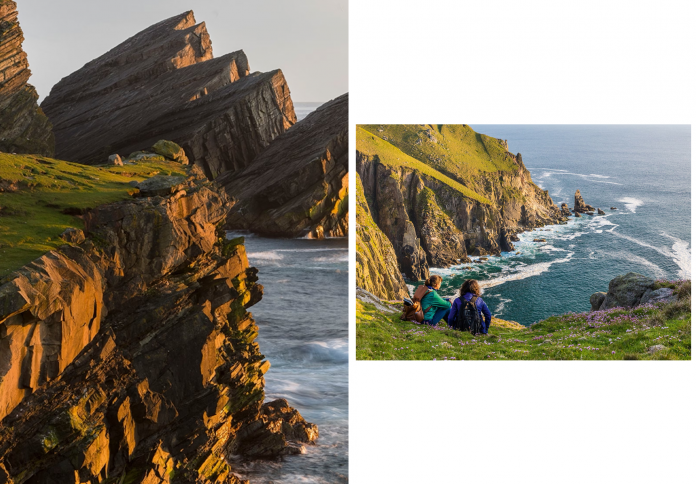
Rising dramatically from the turbulent whitecaps of the Bristol Channel, Lundy Island stands as a rugged, windswept fortress of isolation off the coast of North Devon. Measuring just three miles long and half a mile wide, this remote granite outcrop has experienced a fascinating historical metamorphosis. Once a lawless sanctuary for medieval pirates, wreckers, and eccentric monarchs, Lundy is now celebrated as one of the United Kingdom’s most peaceful retreats—a place where modern distractions fade into absolute stillness. Devoid of cars, streetlights, and paved thoroughfares, the island offers travelers a rare opportunity to step backward in time, immersing themselves in dramatic coastal scenery, thriving seabird colonies, and a profound sense of unplugged quietude.
From Pirate Haven to Protected Sanctuary
Lundy’s turbulent history is as striking as its sheer granite cliffs. For centuries, its geographic isolation made it virtually ungovernable. During the Middle Ages and the seventeenth century, the island served as a notorious base for pirates who preyed on passing merchant vessels navigating the treacherous waters between the Atlantic Ocean and the Bristol Channel. At various points, it was seized by privateers, French marauders, and self-proclaimed kings who operated entirely outside British law.
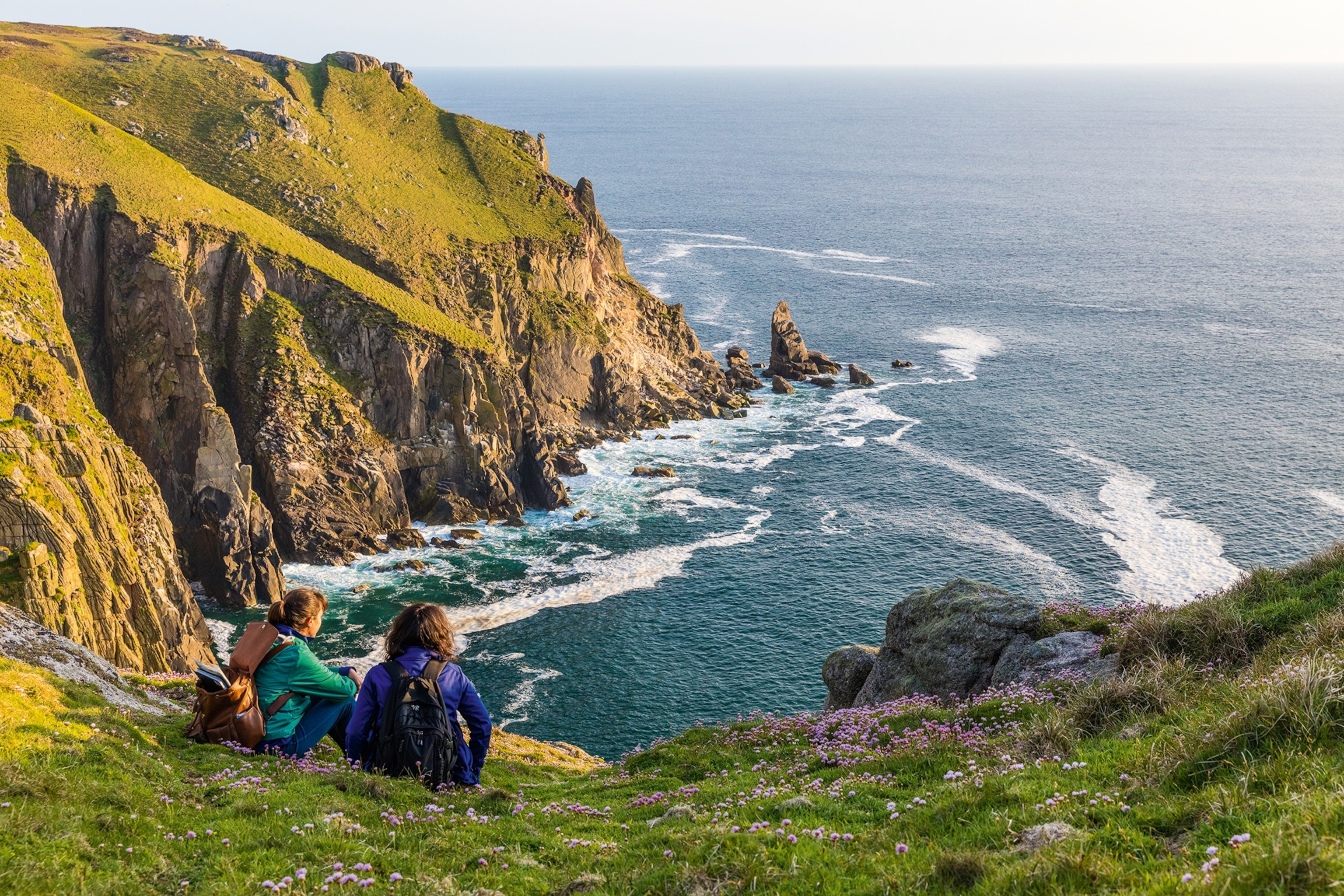
Today, however, the island’s lawless legacy has been completely replaced by rigorous ecological stewardship. Jointly managed by the Landmark Trust and the National Trust, Lundy operates as a protected sanctuary where nature takes precedence over human commerce. Eradicating invasive species and restoring native flora—such as the delicate, yellow-flowering Lundy cabbage found nowhere else on Earth—has transformed the island into a thriving laboratory for conservation and biodiversity.
A Landscape Shaped by the Sea and Sky
Arriving on Lundy is an adventure dictated entirely by the elements. Depending on the season, travelers reach its rocky shores either via a scenic seven-minute helicopter flight or by boarding the historic MS Oldenburg ferry for a two-hour crossing from Bideford or Ilfracombe. Once ashore, the island reveals a stark, beautiful landscape carved by Atlantic winds and salt spray.
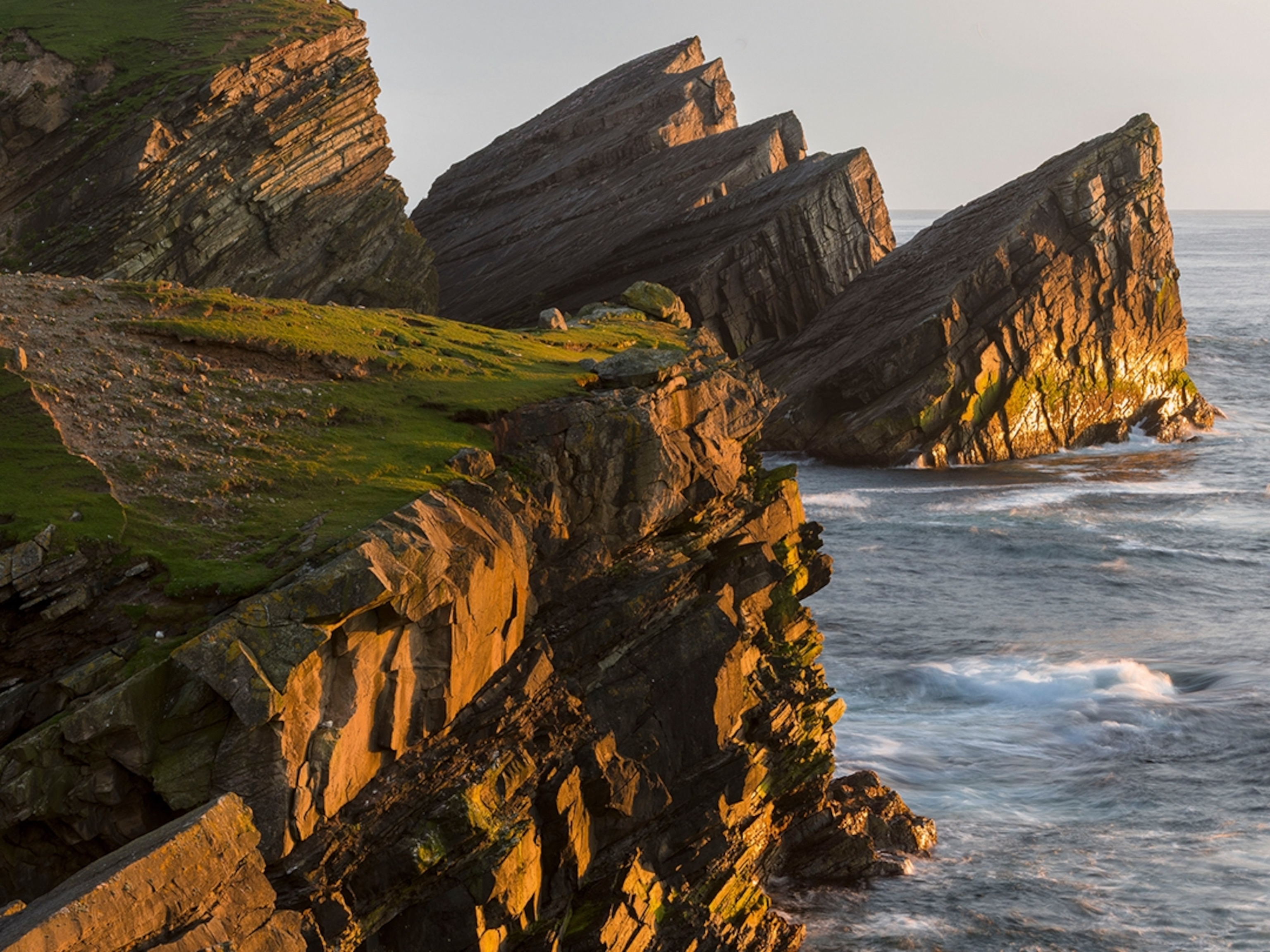
With no vehicular traffic permitted, exploration happens entirely on foot. Visitors can traverse the length of the island along coastal paths that look down upon dramatic shipwrecks, hidden caves, and sheer precipices teeming with nesting puffins, razorbills, and Manx shearwaters. The westward cliffs of Jenny’s Cove offer some of the finest wildlife viewing in the British Isles, where seals bob lazily in the surf and seabirds wheel endlessly against the gray horizon.
Embracing the Rhythm of Unplugged Island Life
Life on Lundy moves to an entirely different, ancient cadence. Accommodation is charmingly rustic, housed within converted stone buildings that range from former lighthouse keepers’ quarters to historic fisherman’s cottages. Because the island’s diesel generators shut down completely at midnight, guests are plunged into a pristine, star-filled darkness that has vanished from the rest of the modern mainland.

Days on the island are defined by simple, grounding pleasures: beachcombing along desolate shores, exploring abandoned copper mines, and reading by lamplight. There is no mobile phone signal across much of the terrain, gently forcing visitors to disconnect from the digital noise of contemporary life and reconnect with their immediate surroundings.
The Marisco Tavern: Heart of the Community
At the center of social life on Lundy sits the legendary Marisco Tavern, the only pub on the island and famously known as the pub that never closes its doors. It serves as an essential sanctuary during sudden storms and a vibrant gathering spot where day-trippers, overnight guests, wardens, and volunteers mingle over local ales.
Every Thursday evening, the island wardens host informal nature talks by the tavern’s wood-paneled walls, sharing insights into ongoing marine conservation projects and seabird monitoring. In these moments, over shared stories and warm laughter, the true magic of Lundy becomes clear. It is not merely a scenic escape, but a living reminder of the deep, restorative peace that comes from embracing isolation and respecting the untamed edges of the natural world.