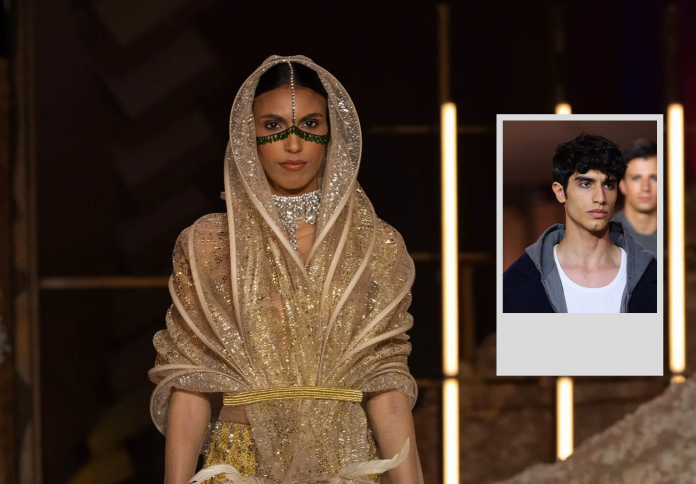
As fashion’s epicenters face growing calls for inclusivity and decentralization, Saudi Arabia is making a bold statement. With the return of the Saudi Fashion Awards on May 22, Riyadh positions itself not merely as an emerging scene, but as a regional creative capital. Now in its second edition, the awards signal the Kingdom’s accelerating investment in fashion, beauty, and cultural soft power — part of a broader vision to redefine where global style conversations are taking place.
The return of the Saudi Fashion Awards
The Saudi Fashion Commission has officially announced the return of the Saudi Fashion Awards for its second edition, set to take place in Riyadh on May 22. The event builds upon the momentum of its inaugural 2024 edition, which was widely seen as a landmark moment for Saudi Arabia’s entry into the global fashion scene. With a more expansive program this year — including new award categories and a sharpened focus on the beauty industry — the ceremony aims to recognize not only designers and stylists, but also models, photographers, and creatives across disciplines.
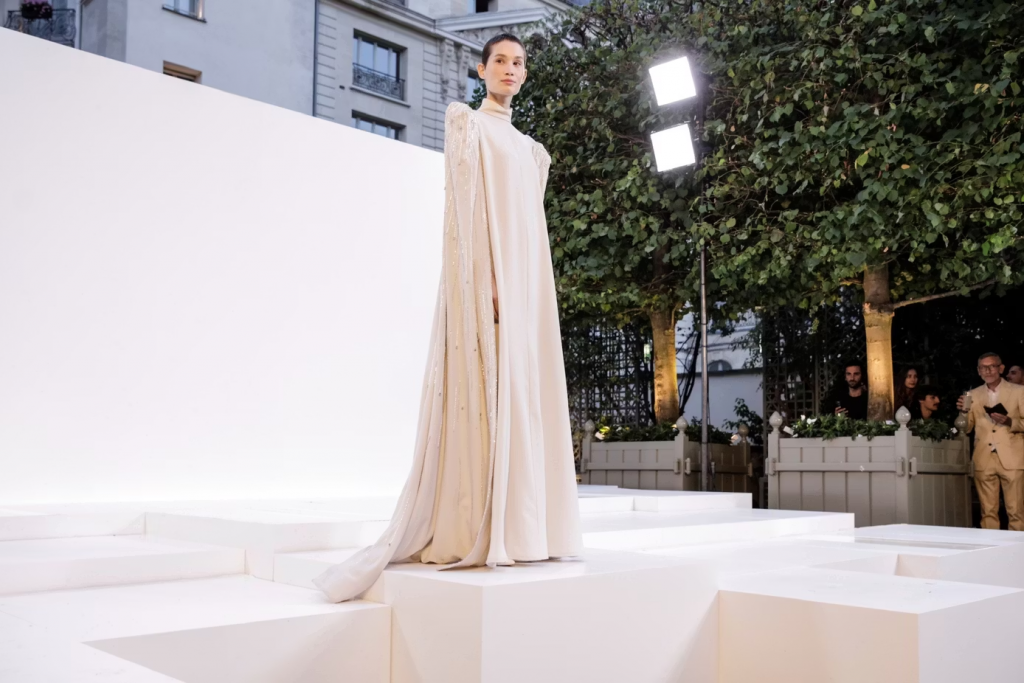
Backed by international partners like Women’s Wear Daily (WWD), the awards aim to highlight innovation and cross-border collaboration. This year’s program suggests a clear ambition: not just to celebrate domestic talent, but to frame Riyadh as a credible, world-class hub for fashion and creative excellence.
“The Saudi Fashion Awards are more than just a showcase,” said Burak Çakmak, CEO of the Saudi Fashion Commission. “They are a statement of intent — that Saudi Arabia is here not only to participate in global fashion, but to help shape its future.”
Riyadh’s bid for creative relevance
This growing creative ambition is rooted in the Kingdom’s broader national transformation under Vision 2030 — a sweeping economic diversification strategy that places culture, tourism, and the arts at its core. Fashion, once peripheral to Saudi economic priorities, is now being actively positioned as a cornerstone industry, with the infrastructure to match.
Riyadh is at the heart of this movement. In the past three years, the capital has seen a proliferation of design schools, concept stores, fashion incubators, and homegrown brands, many led by a generation of designers keen to explore and express Saudi identity through fashion. “Riyadh is proudly emerging as the capital of fashion, beauty, and the future of the creative industries in the region,” Çakmak added. “Its transformation from promise to global presence on red carpets, runways, and retail spaces reflects the ingenuity and dedication of a new generation of trailblazers.”
This commitment is more than symbolic. Saudi Arabia is investing in the scaffolding of a long-term creative economy — one that does not depend on traditional fashion capitals for validation. The return of the Saudi Fashion Awards is only the latest in a series of strategic moves that include establishing the Fashion Futures summit, launching Saudi 100 Brands, and hosting runway shows and exhibitions that draw regional and global attention.
Beyond the big four
Saudi Arabia’s growing fashion ambitions inevitably raise a critical question: Can global fashion truly evolve if its center of gravity remains fixed in the same four cities — Paris, Milan, London, and New York? Riyadh’s approach offers a compelling counterpoint. By spotlighting regional talent and providing platforms tailored to local cultural and economic contexts, events like the Saudi Fashion Awards allow for a richer, more diverse tapestry of fashion narratives. Here, creativity is shaped not by Western aesthetic norms but by a distinct cultural heritage and rapidly evolving youth identity.
This localized framework is attracting talent that might once have looked abroad to build a career. Designers are now finding both audience and opportunity within the region, supported by state initiatives, media coverage, and rising consumer demand for fashion that resonates with local values but speaks a global language.
Rather than imitating the West, Riyadh’s creatives are establishing their own codes — rooted in the Gulf, yet unafraid to innovate. It’s a signal that the fashion industry’s future could be much more polycentric than its past.
Fashion as soft power
At its core, the Saudi Fashion Awards are more than an industry event; they are a cultural milestone within the Kingdom’s broader soft power strategy. As Saudi Arabia opens up socially and economically, it’s using fashion and the arts as vehicles to redefine its image on the world stage — a stark contrast to the oil-centric narratives of the past.
By investing in the visibility and viability of homegrown creatives, Saudi Arabia is not only cultivating a domestic market for fashion, but also exporting a new image of itself: youthful, experimental, diverse. From the red carpet to retail, this image aligns with global shifts in fashion toward inclusivity, storytelling, and purpose.
Partnerships with legacy fashion media, such as WWD, also signal Saudi Arabia’s intention to enter the global fashion discourse on its own terms — not as a satellite of European fashion, but as a sovereign participant with a unique perspective to offer.
A future on the global calendar?
Will Riyadh join the ranks of the world’s permanent fashion capitals? It’s still too early to say. But the groundwork is being laid with purpose and precision. From institutional support to creative education, and from global partnerships to regionally resonant platforms like the Saudi Fashion Awards, the city is building a sustainable ecosystem that could well outlast the initial excitement.
As new creative capitals rise across the Global South — from Lagos to Mumbai to Riyadh — the fashion world must reckon with an evolving reality: innovation is no longer the exclusive domain of the West.
For now, the Saudi Fashion Awards stand as a vibrant symbol of that change — one red carpet at a time