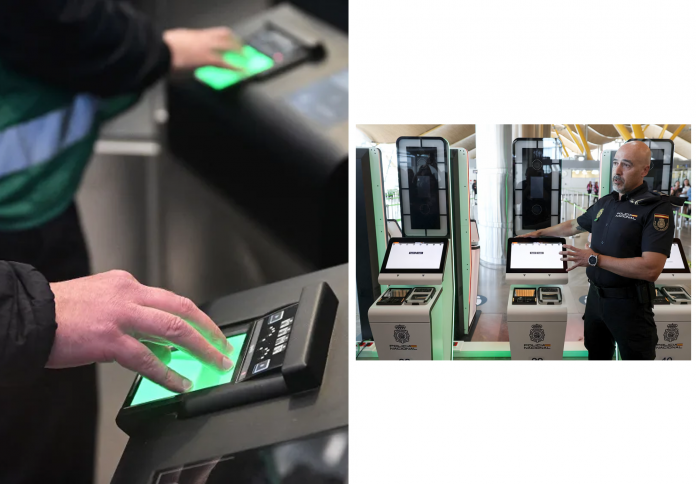
European travel for millions of non-EU citizens, including those from the UK, US, and Canada, is about to undergo its most significant transformation in decades with the introduction of the new Entry/Exit System (EES). Starting its gradual rollout on October 12, 2025, the EES is a centralized IT system designed to replace the familiar paper passport stamp with digital records and mandatory biometric registration. Its primary goals are twofold: to significantly enhance the security of the Schengen Area by accurately monitoring foreign nationals and to streamline travel by automating border checks. Travelers must prepare for a mandatory initial registration process that involves submitting fingerprints and a facial image, a requirement that will create a digital travel history valid for three years. This marks the end of manual stamping and the beginning of a data-driven approach to mobility across 29 European nations.
The Dawn Of The Digital Passport Stamp
The most immediate change brought by the EES is the complete elimination of manual passport stamping for non-EU nationals. For decades, the stamp has served as the sole record of entry and exit, a system prone to human error, lengthy queues, and vulnerability to fraud. The EES replaces this analogue process with a secure, automated digital record.
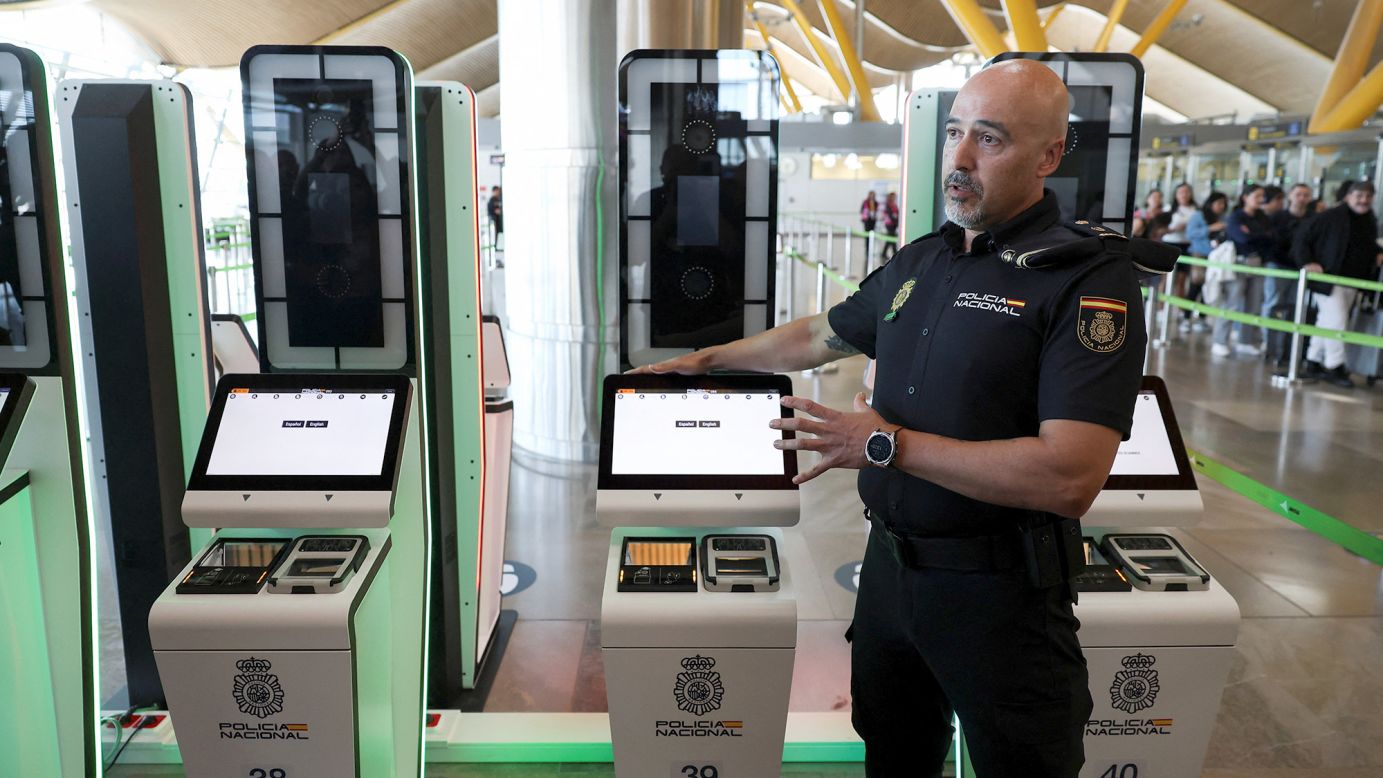
This digital record includes personal details extracted from the travel document, the precise date and location of every entry and exit, and, crucially, the traveler’s biometric data. By moving to this automated IT system, the 29 participating European countries aim to ensure the data is accurate and instantly verifiable. While initial registration is expected to add a few minutes to the process, subsequent crossings will benefit from faster e-gates and automated verification, leading to long-term efficiency gains and reduced waiting times at key border crossings like major airports and rail terminals.
Biometric Registration: A Mandatory Requirement
The cornerstone of the EES is the mandatory collection of biometric data upon a traveler’s first entry into the Schengen Area after the system’s launch. This requirement applies to nearly all non-EU nationals traveling for a short stay, whether they are visa-exempt or visa-required.
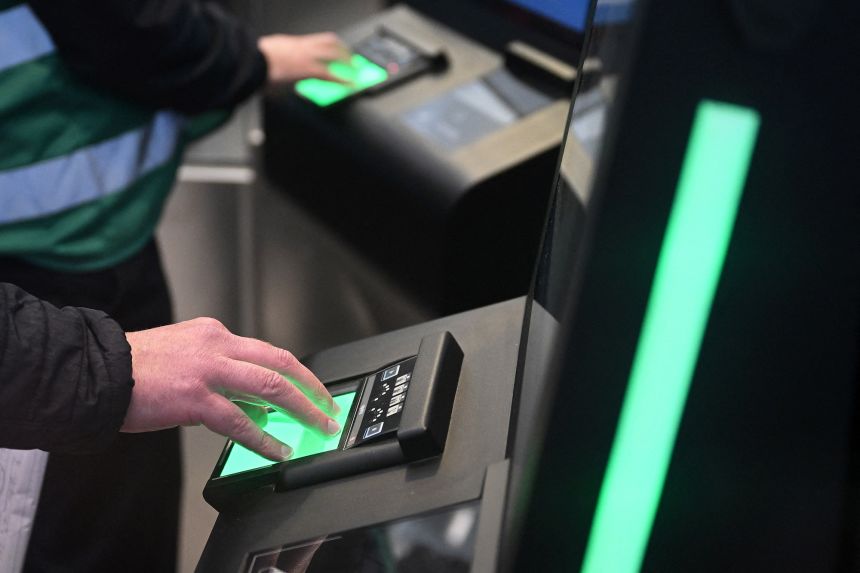
The initial registration involves travelers providing their four fingerprints and a facial image at dedicated self-service kiosks or border booths. This data is then securely linked to their travel document and digital EES record. This complete registration is valid for three years, meaning that for all subsequent visits within that period, travelers will only need to provide a quick fingerprint or facial scan for verification upon entry and exit. Children under the age of 12 are included in the EES registration but are only required to submit a photograph, not fingerprints. Refusal to provide the mandatory biometric data will result in the denial of entry, as border officers cannot complete the required registration process.
Strengthening Border Security And Combating Overstays
A core objective of the EES is to significantly enhance the internal security of the Schengen Area, which operates without internal border checks. The automated system provides a powerful tool for law enforcement and border authorities to identify security risks and combat crime and identity fraud.
More immediately apparent to travelers, the system’s primary function is to strictly enforce the “90 days in any 180-day period” rule. For travelers who do not require a short-stay visa, this rule is often subject to miscalculation. The EES removes the guesswork entirely by automatically and accurately calculating the remaining duration of a traveler’s authorized stay. This capability allows border authorities to immediately flag any third-country national who has overstayed their limit, preventing repeat infringers from entering the zone and ensuring compliance with the fundamental rule governing short-term, visa-free travel.
The Implementation Timeline And Traveler Preparation
The EES is not launching as a single, fully operational system on day one. Instead, it is being introduced through a progressive, phased rollout that began on October 12, 2025, and is expected to achieve full implementation across all external border points by April 10, 2026.
During this six-month gradual rollout period, the speed and specific procedures may vary between countries and border crossing points. While some locations, particularly major international airports, will quickly integrate the new automated kiosks and procedures, other smaller crossings may still experience a mix of digital registration and traditional checks until the infrastructure is fully deployed. Travelers should be prepared for potential initial delays on their first entry under the EES, particularly at busy hubs, due to the mandatory one-time biometric registration. To mitigate wait times, the EU has developed an app allowing non-EU travelers to pre-register some of their travel document data and facial image before they even arrive at the border.