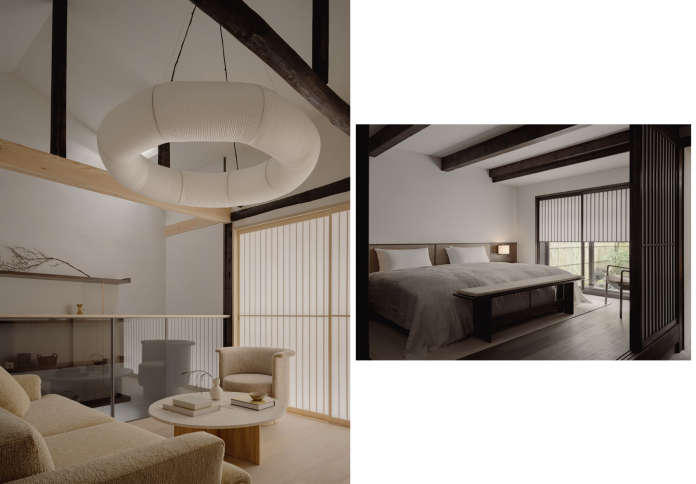
At first glance, the interiors of the Orient Express Corinthian sailing yacht looks like a story about newness; in practice, it says more about how a new ultra-luxury vessel combines references to historic rail and ocean travel with the expectations of contemporary resort hospitality. Orient Express Corinthian is a 220-meter sailing yacht designed to carry 110 guests in 54 suites. The vessel has three masts and is promoted by its operator as the world's largest sailing yacht. The yacht is designed less like a single nautical interior than a traveling district of suites, restaurants, bars, performance rooms, and wellness spaces held together by a shared mythology of glamorous movement. Rather than treating the moment as a checklist of products, names, or announcements, the more useful approach is to ask what changes for the people who actually use, watch, enter, or live with
From Concept to Occupation
Orient Express Corinthian is a 220-meter sailing yacht designed to carry 110 guests in 54 suites. The vessel has three masts and is promoted by its operator as the world's largest sailing yacht. A yacht of this scale has to do something paradoxical: feel monumental in public rooms and intimate enough in a suite that the guest can forget how many systems are moving around them. The important point is not simply that these details exist, but that together they define the conditions of the story: who is making the decision, what has changed, and why the moment now feels different from an ordinary product release, workplace adjustment, episode recap, or interior refresh.
Hospitality and retail design increasingly blur the line between showroom and social space. A store can host events, a restaurant can become a neighborhood living room, and a listening bar can treat sound as architecture rather than background entertainment. In this case, that context sharpens how historical travel romance is translated into contemporary hospitality rather than reproduced literally. It also keeps the article from mistaking visibility for significance; the most photographed or repeated detail may open the story, but it is the relationship among the details that gives the subject its editorial weight.
Craft, Light, and Movement
Architect and designer Maxime d'Angeac led the interior design, drawing on French decorative arts and the historic imagery of luxury rail and ocean travel. The hospitality program includes five restaurants led by chef Yannick Alléno and eight bars. Those facts create a more useful frame than hype alone. They show how the subject works at the level of format, process, casting, policy, material, or service rather than leaving it as an abstract trend. References to rail and liner glamour can organize material choices and proportions, but modern expectations around privacy, acoustics, technology, and wellness require a different interior logic.
The most persuasive interiors are rarely collections of objects alone. They organize movement, attention, acoustics, light, and memory, allowing a commercial or domestic space to communicate before a visitor reads a sign or studies a material specification. That makes comparison important. The relevant question is not whether every consumer, institution, viewer, or visitor should respond in the same way, but which conditions make the idea work and which conditions expose its limits.
Commercial Space as Social Space
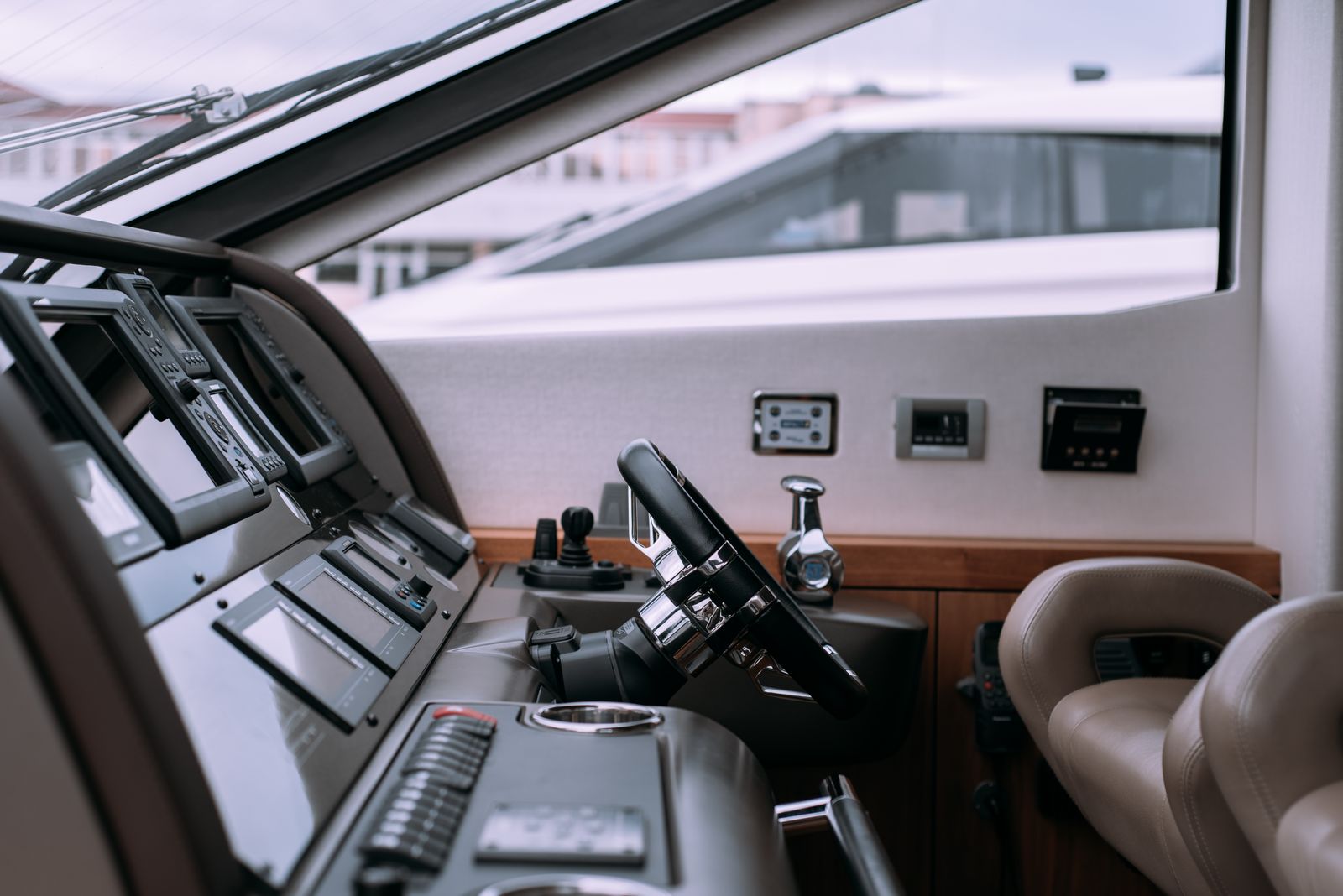
The yacht also includes a 115-seat cabaret, a recording studio, a Guerlain spa, a swimming pool, and a marina platform. The suites are designed as private residential environments rather than compact conventional cruise cabins. This is where the story moves from announcement to experience. The subject is interpreted through repeated choices: what gets emphasized, what becomes optional, what is standardized, and what remains dependent on individual judgment. The mix of cabaret, recording, dining, spa, and marina spaces turns the vessel into a curated social itinerary even before it reaches port.
Preservation is therefore not synonymous with keeping everything untouched. In many projects, continuity comes from proportion, craft, structure, or ritual while new elements make the building usable again. The design judgment lies in deciding what deserves emphasis and what can change. For the interiors of the Orient Express Corinthian sailing yacht, the tension is particularly visible in the romance of sail and heritage branding versus the environmental and operational complexity of a very large luxury vessel. That tension is productive when it leads to better choices and clearer expectations rather than simply producing another layer of marketing language or speculation.
The Discipline of Restraint
The ship uses large SolidSail rigs alongside hybrid propulsion that includes liquefied natural gas. Commercial departures began in May 2026 with Mediterranean and Adriatic itineraries before planned Caribbean voyages. Those details also define the boundary of what can responsibly be claimed. Operator sustainability claims should be read alongside the vessel's total energy use and operational reality rather than assumed from the presence of sails or hybrid technology alone. An editorial reading can still be enthusiastic, skeptical, or aesthetically engaged without turning uncertainty into certainty.
The central tension is between atmosphere and legibility. A space can be theatrical without becoming confusing, and it can preserve traces of history without freezing them into décor. The best interventions make the relationship between old and new easy to feel even when it is not explicitly explained. The point is not to remove pleasure from the story. It is to make the pleasure more durable by separating what has been demonstrated from what is merely possible, and by recognizing that users and audiences bring different needs, tastes, and tolerances to the same idea.

When the Idea Survives Use
The project revives the cultural language of the grand voyage at a moment when luxury hospitality increasingly sells privacy, programming, and highly designed interiors as much as transportation. The interior's real test will be whether the historic references remain atmospheric after repeated voyages or begin to feel like a themed backdrop. Seen this way, the subject is not a finished verdict but a snapshot of a system in motion. Products will be reformulated, software will be updated, series will continue, stores will age, and cultural labels will change; the useful editorial task is to identify which underlying choices are likely to remain meaningful when that happens.
That is why the project matters beyond its visual signature. It shows how design can turn constraints into character, using what is already present as a framework rather than treating the past as an obstacle. Corinthian is most convincing when it treats nostalgia as a mood to reinterpret, not a period room to reconstruct at sea. The strongest takeaway is therefore not a command to buy, believe, visit, or predict. It is a clearer understanding of why this moment matters now and what evidence will matter next.