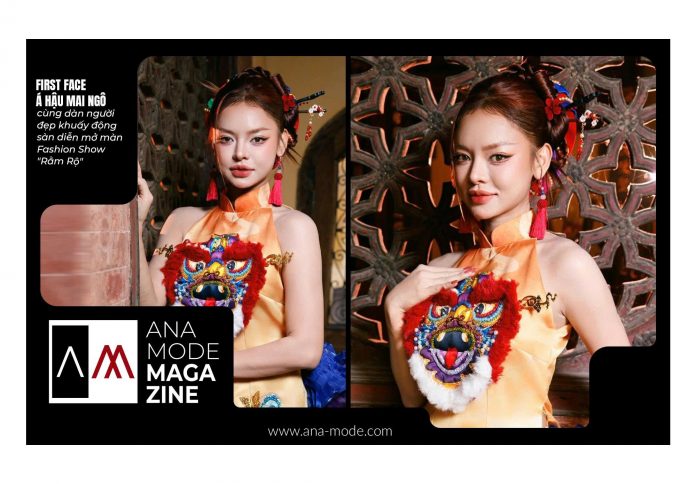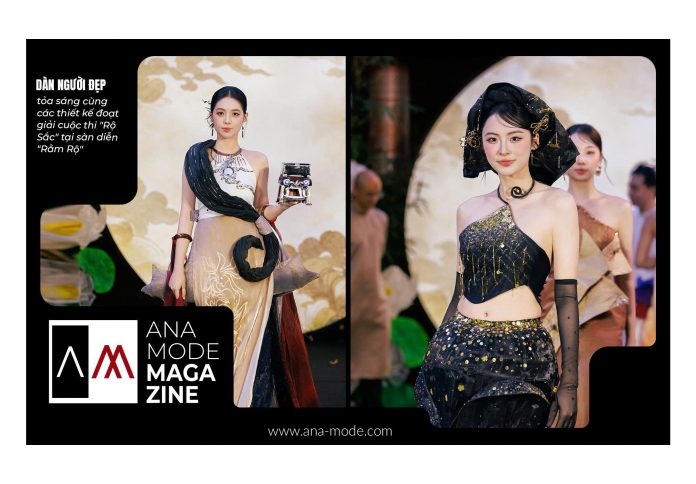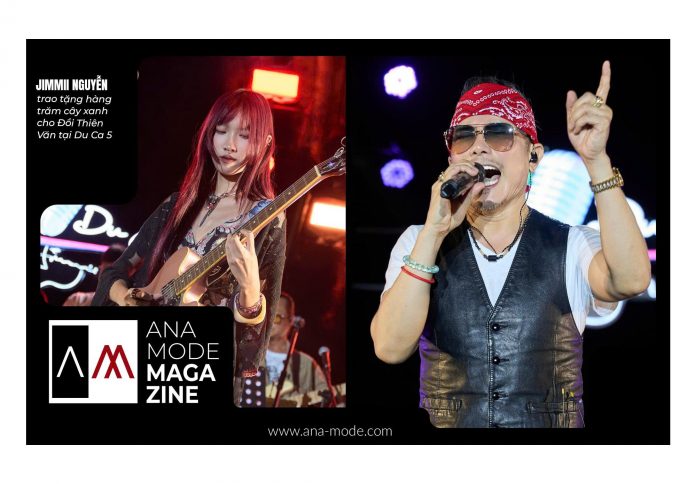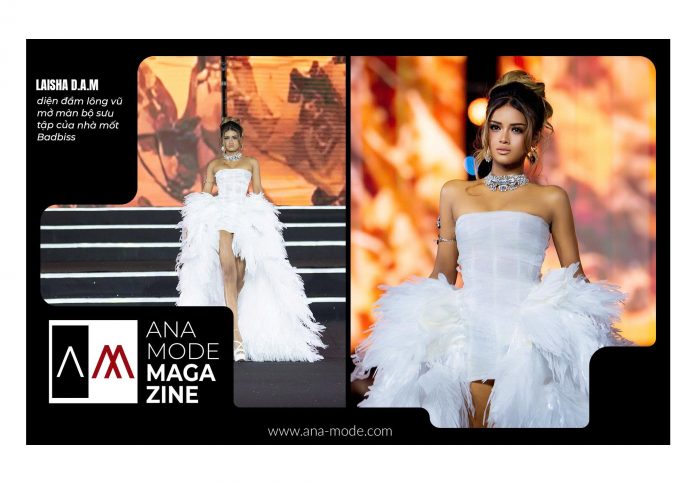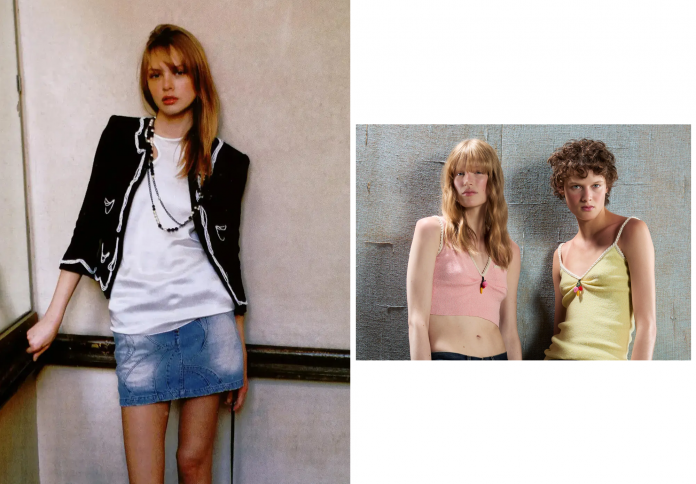
The denim mini skirt revival and its y2k afterlife is not simply a matter of a single look, label, or red-carpet moment. It sits inside a broader conversation about how fashion recycles memory, turns place into spectacle, and gives familiar codes new meaning when they reappear in a different season. The most interesting part is the tension between recognition and reinvention: audiences arrive with references already in mind, while designers, celebrities, and stylists try to move those references forward. Seen from that angle, the story is less about declaring one definitive trend than about watching taste reorganize itself in public. The details may be visual, but the underlying subject is cultural—how clothes collect associations, how images travel, and why certain ideas suddenly feel newly legible.
The Reference Point
Fashion works by quotation, but quotation is not the same thing as repetition. When the denim mini skirt revival and its Y2K afterlife returns to view, the reference arrives carrying earlier associations that can be used, resisted, or deliberately exaggerated. That is why a familiar silhouette or setting can feel different even when its basic ingredients are recognizable. Styling, casting, location, fabrication, and timing all change the message. The useful question is not whether something has been seen before; almost everything has. The question is what the new context asks us to notice this time.
The conversation around wearability deserves similar nuance. Runway and event dressing are not required to function like everyday clothes, but they still influence everyday taste through color, proportion, accessories, and styling logic. the denim mini skirt revival and its Y2K afterlife may be remembered for a dramatic image while its more practical legacy appears later in subtler forms. That delayed translation is one of the industry's oldest mechanisms, even if social media has sped up the first wave of attention.
Why the Image Lands Now
Images now circulate faster than collections themselves. A runway clip, fitting-room photograph, street-style frame, or red-carpet entrance can detach from its original event and become the way an entire season is remembered. the denim mini skirt revival and its Y2K afterlife operates inside that accelerated visual economy. The details that survive are usually the ones that can be read instantly, but the most rewarding details are often quieter: proportion, gesture, material, historical reference, or the friction between glamour and everyday wear. Editorial attention helps reconnect the viral image to those slower design choices.
Archives are especially powerful because they give houses and public figures a ready-made language. Yet archive alone cannot sustain relevance. In the denim mini skirt revival and its Y2K afterlife, history matters most when it is used as material rather than as a museum label. A reference can be affectionate, ironic, exacting, or disruptive. What matters is whether it creates a new relationship between the past and the present instead of asking nostalgia to do all the work.

Context Changes the Clothes
Place matters because fashion is never presented in a vacuum. Museums, city streets, film festivals, cultural galas, studios, and historic houses each lend a different kind of authority to clothes. In the case of the denim mini skirt revival and its Y2K afterlife, setting is part of the storytelling rather than a neutral background. It can make a collection feel cinematic, intimate, institutional, nostalgic, or defiantly contemporary. That relationship between clothes and place has become especially important as fashion shows increasingly compete not only as commercial presentations but as global media events.
Celebrity presence can intensify this process, but it can also distort it. A famous face may bring millions of eyes to a look while shifting attention away from construction and design. the denim mini skirt revival and its Y2K afterlife is therefore best read on two levels at once: as a media event and as a piece of fashion communication. Neither interpretation is complete on its own. The productive tension between them is part of what gives contemporary fashion its reach.
The Audience Is Part of the Look
The audience also participates in meaning. Fans bring memories of earlier eras, celebrity personas, house codes, and previous collections into every new image. That makes reception unpredictable: a detail intended as a subtle reference may become the dominant talking point, while an elaborate concept can be reduced to a single photograph. the denim mini skirt revival and its Y2K afterlife demonstrates why modern fashion communication has to function at several speeds at once—immediate enough for the feed, but layered enough to reward people who stay with the image longer.
Seasonal relevance, finally, is less fixed than the calendar suggests. Images from one event can influence styling months later, while a reference from decades ago can suddenly feel precise because the culture around it has changed. the denim mini skirt revival and its Y2K afterlife belongs to that uneven timeline. The useful task is not to predict whether it will 'win' a trend cycle, but to understand what desire or memory it has managed to reactivate.

What Endures After the Moment
The most durable fashion moments tend to survive because they do more than look new. They reorganize something familiar: a proportion, a social code, a relationship to the body, a way of staging status, or a memory of another decade. the denim mini skirt revival and its Y2K afterlife is worth watching through that lens. Its significance will not be decided by the volume of attention around it today, but by whether its ideas keep reappearing in wardrobes, campaigns, and design conversations after the event itself has moved on.
That is also why binaries such as old versus new or commercial versus artistic are rarely sufficient. the denim mini skirt revival and its Y2K afterlife can hold several motives at once: selling clothes, producing spectacle, honoring an archive, attracting celebrity attention, or testing how far a familiar code can be stretched. The editorial value lies in separating those layers rather than collapsing them into a single verdict. Fashion becomes more interesting when its contradictions are left visible.