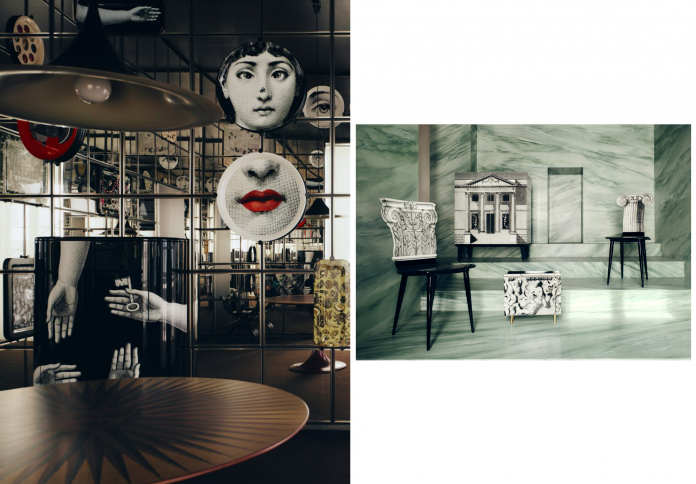
The story around the 2026 reimagining of Fornasetti's Via Senato flagship in Milan becomes more revealing when viewed through how a heritage design house can refresh a retail environment by staging temporary collaborations and sensory episodes instead of erasing the eccentric world it already owns. Fornasetti's flagship at Via Senato 2 in Milan was reimagined in 2026 with the design studio Tutto Bene. The renewed concept was presented under the theme FOREVER FORNASETTI. NEW ENCOUNTERS. The project treats the store as a changing cultural program, allowing new makers and materials to enter the Fornasetti universe without requiring the brand to pretend it has become minimalist. Rather than treating the moment as a checklist of products, names, or announcements, the more useful approach is to ask what changes for the people who actually use, watch, enter, or live with it. Material choices matter
The Existing Building as Brief
Fornasetti's flagship at Via Senato 2 in Milan was reimagined in 2026 with the design studio Tutto Bene. The renewed concept was presented under the theme FOREVER FORNASETTI. NEW ENCOUNTERS. For a house built on accumulation, wit, and obsessive imagery, the smartest form of renewal is not subtraction for its own sake but a new way to stage abundance. The important point is not simply that these details exist, but that together they define the conditions of the story: who is making the decision, what has changed, and why the moment now feels different from an ordinary product release, workplace adjustment, episode recap, or interior refresh.
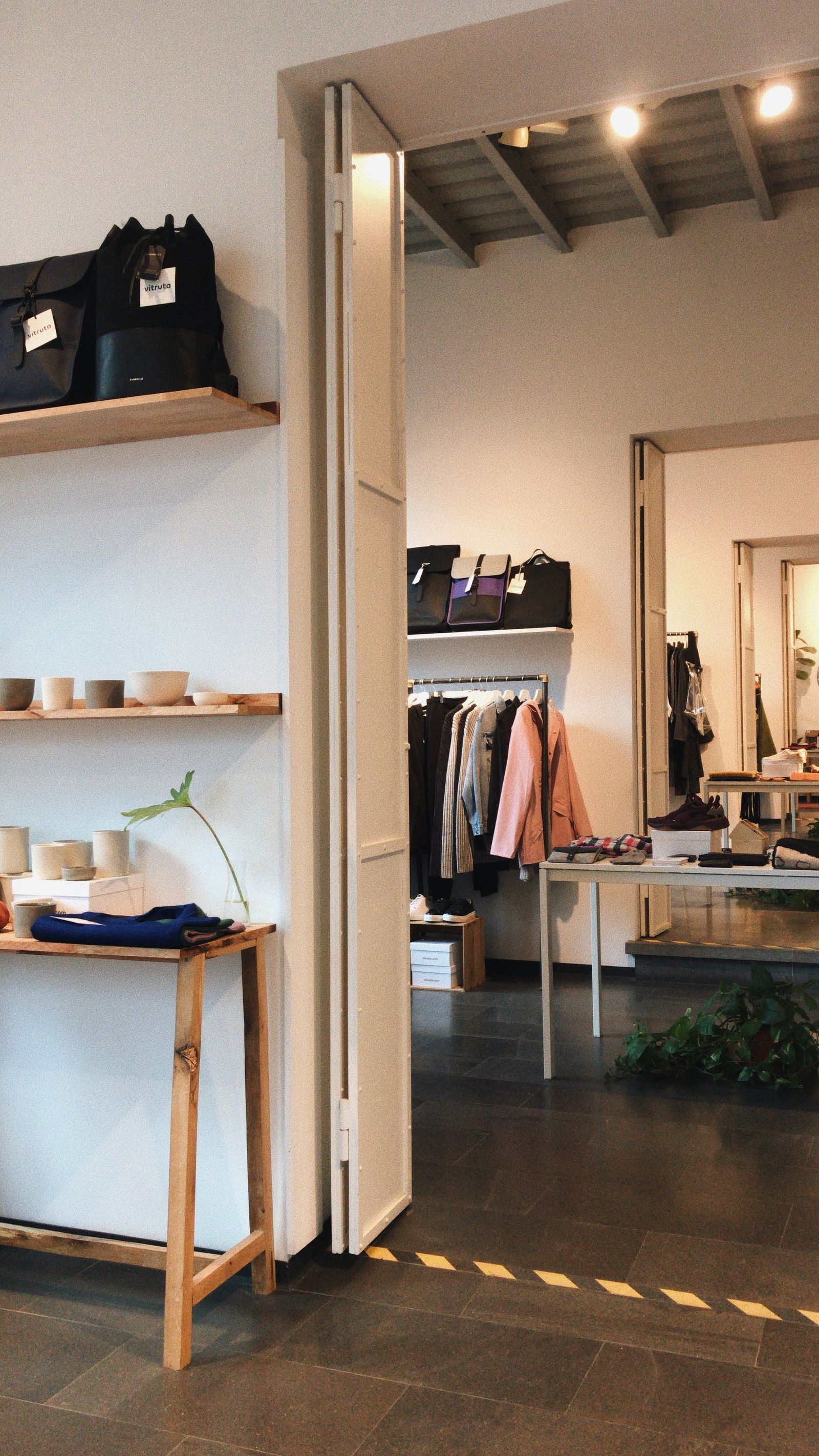
Material choices matter most when they are tied to behavior. Timber can soften a retail room, metal can make a new intervention legible against an old shell, and movable furniture can turn a fixed shop into an event space; the effect comes from use, not from material prestige alone. In this case, that context sharpens retail as a rotating curatorial platform rather than a fixed display system. It also keeps the article from mistaking visibility for significance; the most photographed or repeated detail may open the story, but it is the relationship among the details that gives the subject its editorial weight.
Atmosphere Through Detail
Barnaba Fornasetti continued to guide the house's artistic direction. The flagship program included a temporary flower shop called Fornasetti Fiori created with florist Simone Gooch of Fjura. Those facts create a more useful frame than hype alone. They show how the subject works at the level of format, process, casting, policy, material, or service rather than leaving it as an abstract trend. Flowers, textiles, objects, and collaborations can change the sensory emphasis of the rooms while the underlying brand language remains recognizable.
Hospitality and retail design increasingly blur the line between showroom and social space. A store can host events, a restaurant can become a neighborhood living room, and a listening bar can treat sound as architecture rather than background entertainment. That makes comparison important. The relevant question is not whether every consumer, institution, viewer, or visitor should respond in the same way, but which conditions make the idea work and which conditions expose its limits.
How the Room Actually Works
The flower installation ran from April 13 through June 30, 2026. The store also featured a collaboration with rug company cc-tapis, reinforcing the idea that the flagship could host changing design dialogues. This is where the story moves from announcement to experience. The subject is interpreted through repeated choices: what gets emphasized, what becomes optional, what is standardized, and what remains dependent on individual judgment. That approach also gives regular visitors a reason to return because the flagship behaves more like an exhibition sequence than a finished showroom.
Commercial identity adds another layer. A memorable interior has to photograph well, but it also has to function for staff, repeat visitors, maintenance, storage, circulation, and changing programs. The image is only one moment in a much longer operational life. For the 2026 reimagining of Fornasetti's Via Senato flagship in Milan, the tension is particularly visible in the need to remain contemporary without flattening a deliberately idiosyncratic heritage. That tension is productive when it leads to better choices and clearer expectations rather than simply producing another layer of marketing language or speculation.
Preservation Without Nostalgia
Fornasetti's identity has long depended on dense illustration, classical references, surreal repetition, and highly recognizable decorative objects. A conventional neutral renovation could have weakened that identity by treating the store as a blank container rather than part of the brand's imaginative world. Those details also define the boundary of what can responsibly be claimed. Collaboration is most effective when outside makers create genuine dialogue with the house's codes rather than functioning as borrowed novelty. An editorial reading can still be enthusiastic, skeptical, or aesthetically engaged without turning uncertainty into certainty.
Preservation is therefore not synonymous with keeping everything untouched. In many projects, continuity comes from proportion, craft, structure, or ritual while new elements make the building usable again. The design judgment lies in deciding what deserves emphasis and what can change. The point is not to remove pleasure from the story. It is to make the pleasure more durable by separating what has been demonstrated from what is merely possible, and by recognizing that users and audiences bring different needs, tastes, and tolerances to the same idea.

A Longer Life for the Interior
Temporary programs allow the interior to evolve seasonally while preserving continuity through recurring Fornasetti objects and visual codes. The Milan flagship can continue evolving through temporary encounters that reveal different sides of the collection without demanding a total redesign each season. Seen this way, the subject is not a finished verdict but a snapshot of a system in motion. Products will be reformulated, software will be updated, series will continue, stores will age, and cultural labels will change; the useful editorial task is to identify which underlying choices are likely to remain meaningful when that happens.
Its longer life will depend on whether the space remains flexible enough to absorb ordinary change. The most durable interiors do not demand permanent perfection; they give wear, adaptation, and repeated use somewhere to belong. Fornasetti does not need a clean slate; it needs new conversations inside a world that was never meant to be quiet. The strongest takeaway is therefore not a command to buy, believe, visit, or predict. It is a clearer understanding of why this moment matters now and what evidence will matter next.