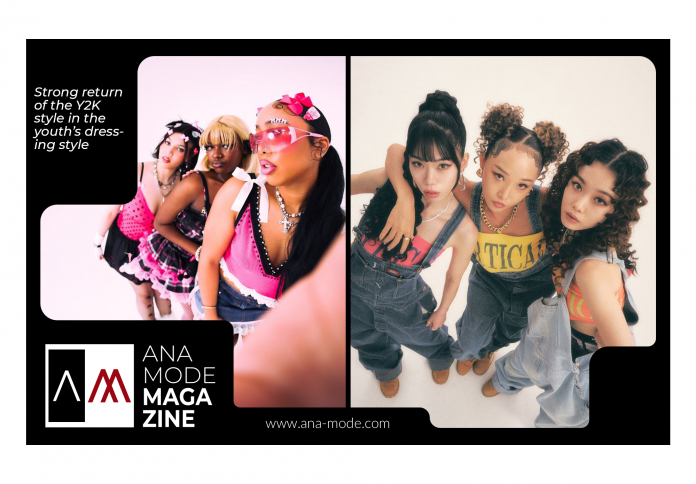
From tight-fitting baby tees and low-rise flared pants to baguette bags and butterfly-shaped sunglasses… it all seems to be making a comeback as if time has rewound to the early 2000s. However, behind the global Y2K craze, many are asking: is this truly a revival of an “aesthetic era”, or just a fleeting nostalgic cycle in the fashion industry?
The unique revival of the Y2K wave
Y2K (short for “Year 2000”) is a fashion style that originated in the late 1990s to early 2000s, closely associated with pop icons of the time like Britney Spears and Paris Hilton. The most recognizable features of Y2K fashion include bold colors, tight-fitting outfits, shiny materials, and cute accessories such as plastic bead necklaces, tinted sunglasses, or butterfly-shaped hair clips.
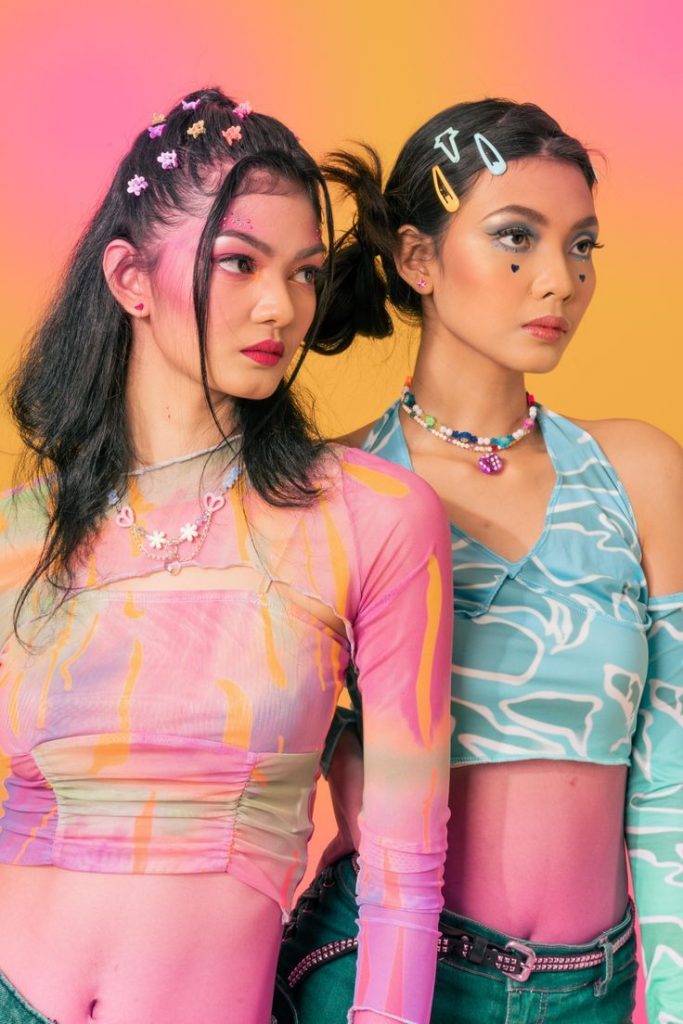
Two decades later, Y2K has made a powerful comeback. From social media platforms to international runways, images of crop tops, mini skirts, and edgy denim are reappearing with increasing frequency. Interestingly, the generation driving this trend today isn’t those who grew up during Y2K’s “golden era”, but rather Gen Z — young people who never actually witnessed that iconic fashion period firsthand.
Reason behind the impactful return
The return of Y2K is no coincidence. Behind the quirky items of Y2K fashion lies an entire generation seeking to connect with emotions and memories they never actually lived through. For Gen Z, Y2K feels like a strange and fascinating world they’ve only glimpsed through old photos, CDs, or timeworn films shared and preserved on social media. Reviving this style is their way of “experiencing someone else’s memories” — in a fresh, modern, and deeply personal way.
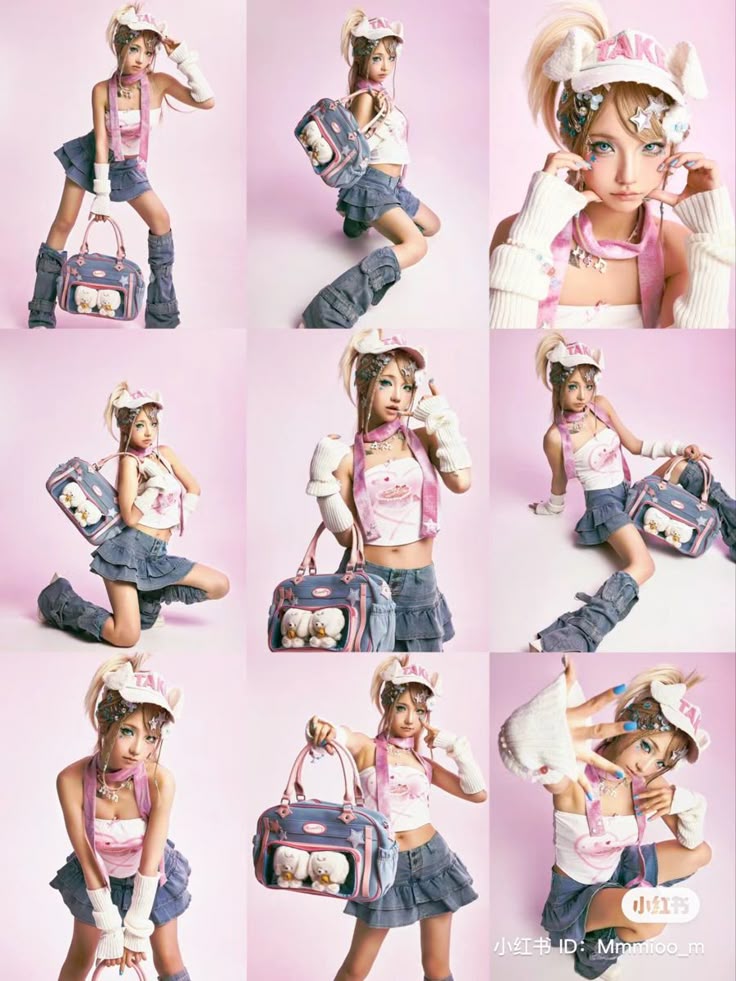
Moreover, after years of facing global upheavals — from the COVID-19 pandemic and natural disasters to the invisible pressures of academics, work, and social media — today’s youth are increasingly drawn to things that feel simple, joyful, and don’t require over-explanation. With its bright colors and bold, rebellious designs, the Y2K style has become a medium that allows young people to play with fashion rather than feel forced to take it too seriously. Wearing Y2K, they can be feminine yet strong, innocent yet stylish, rebellious yet adorable. It’s at this intersection of fashion and personal identity that Gen Z finds exactly what they’ve always been searching for.
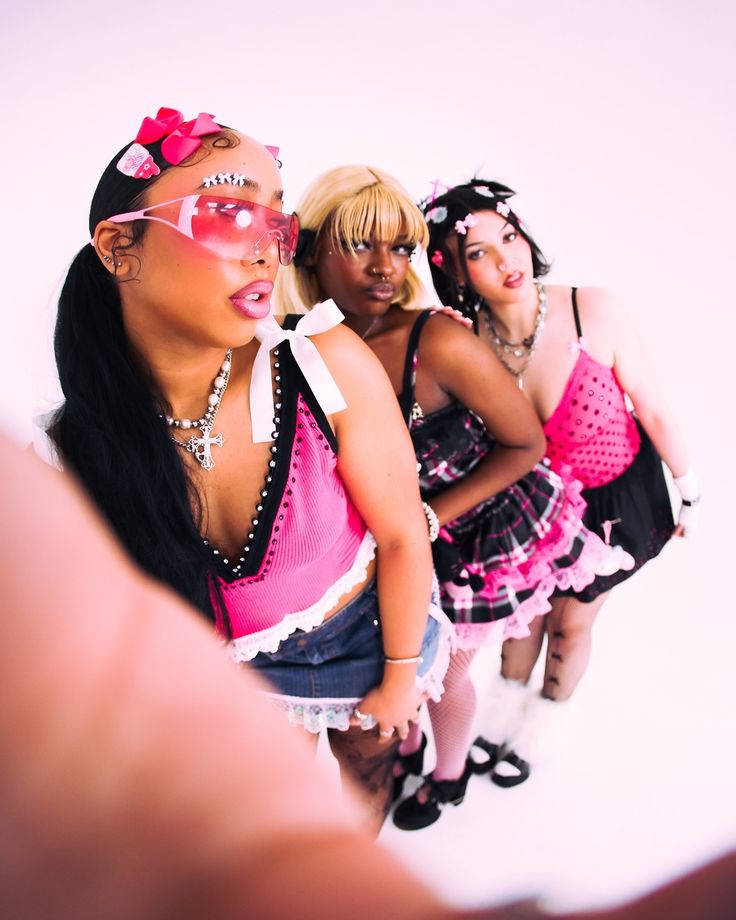
Can Y2K preserve its long-lasting charm in this return?
Fashion has always been cyclical, with old trends often coming back to life roughly every 20 years. Many styles have once taken the world by storm, only to gradually fade as society’s aesthetic preferences evolved. So with Y2K, the question remains: can its appeal truly last?
At present, Y2K ranks among the most beloved fashion trends. However, its overwhelming popularity also brings a paradox: when something becomes too widespread, it can easily become tiresome. As both fast fashion brands and luxury labels repeatedly follow the same formula — crop tops, mini skirts, tinted sunglasses, braided hair — people may start to feel that everything looks the same and lacks excitement.
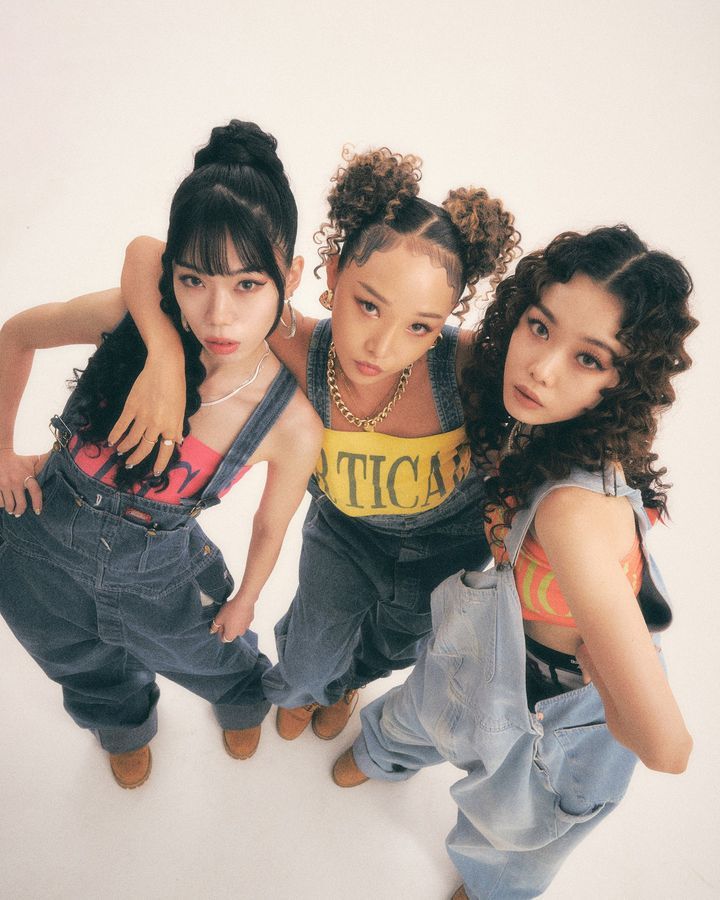
In addition, Gen Z — the main driving force behind the trend — is a generation highly sensitive to change. They’re quick to catch on, but just as quick to move on. If a style no longer feels fresh or fails to reflect their mood or identity, they won’t hesitate to abandon it in favor of something more distinctive. And that shift may already be underway, as the fashion world is witnessing the rise of styles like “clean girl,” “old money,” and “quiet luxury” — clear signs that aesthetic preferences are gradually leaning toward minimalism and sophistication after a vibrant, color-filled Y2K phase.
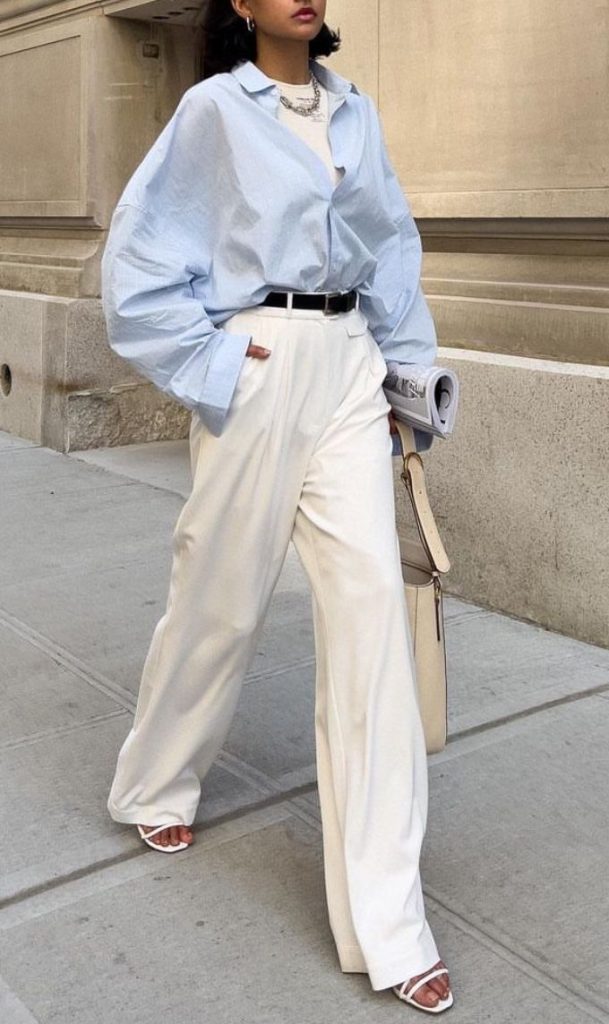
However, that doesn’t mean Y2K will disappear entirely. While it may no longer dominate as a leading trend, the playful and carefree spirit it embodies will continue to live on in the flow of modern fashion — like a beautiful memory: occasionally revisited and sometimes returning in fresh, reimagined forms.
May | Cameron Truong