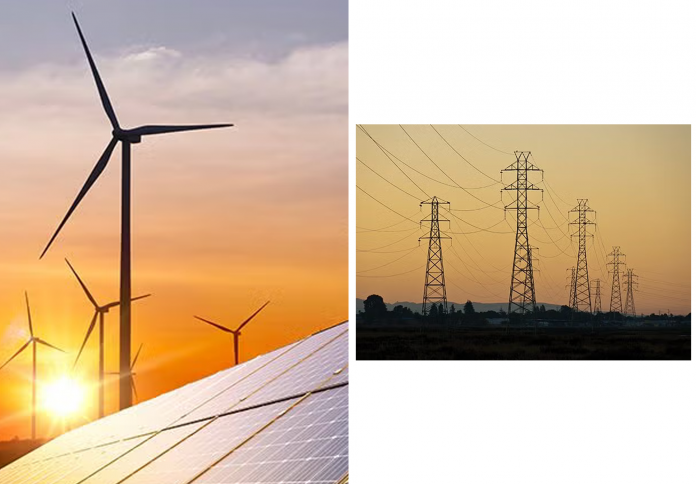
The global energy system is undergoing a monumental transformation, shifting from a centralized, unidirectional power flow to a complex, decentralized network characterized by renewable and distributed energy resources (DERs). This transition presents profound challenges: aging infrastructure must contend with the intermittency of solar and wind power, the rising threat of extreme weather events, and the urgent imperative for deep decarbonization. To successfully navigate this revolution and ensure a resilient, dependable, and flexible power supply, the industry cannot rely on incremental changes to existing infrastructure. Instead, a holistic, two-pronged approach is essential: simultaneous innovation in both software intelligence and physical hardware. Only by integrating advanced digital controls, predictive analytics, and next-generation physical components can the modern grid meet the dynamic demands of the clean energy future.
The Core Challenge of Energy System Transformation
The foundational architecture of the power grid—designed decades ago for large-scale, one-way power transmission from central fossil fuel plants—is fundamentally ill-suited for the modern energy landscape. Today’s grid must seamlessly integrate a multitude of volatile, distributed energy resources, from rooftop solar panels to community battery storage. This transformation is driven by three key factors: widespread electrification (of transport and heating), rapid technological advances in renewables, and global decarbonization goals.

The limitations of the legacy system are starkly exposed by two major crises: the imperative for resilience and the push for decentralization. Extreme weather events, such as Winter Storm Uri, have demonstrated the vulnerability of current infrastructure, emphasizing the need for robust, localized power systems. Concurrently, the proliferation of DERs, while critical for reducing carbon emissions, introduces instability and complexity in maintaining frequency and voltage control. Addressing these twin pressures requires moving away from the old, brittle model toward a dynamic, intelligent, and physically robust network.
The Hardware Revolution: Physical Grid Reinforcement
Upgrading the grid demands significant advancements in its physical components, enabling it to manage higher volumes of power more efficiently and reliably. A major innovation is the development of high-voltage direct current (HVDC) architectures, such as the emerging 800 VDC systems for data centers. This technology addresses the limitations of traditional lower-voltage AC distribution by minimizing energy losses during conversions and reducing the required copper volume. While initially targeting high-power consumption sectors like AI factories, the principles of efficient, high-voltage transfer are crucial for broader grid upgrades.

Furthermore, physical stability against the intermittency of renewables relies on advanced components like grid-forming inverters. Unlike older inverters that simply follow the grid, these new devices can actively set the grid voltage and frequency, acting as miniature power plants to stabilize the network. Coupled with advanced energy storage systems (AESSs) and Grid Enhancing Technologies (GETs), which include dynamic line rating (DLR), these hardware innovations are pivotal in maximizing the capacity of existing transmission and distribution infrastructure while ensuring reliable supply.
The Digital Brain: Software-Defined Grid Management
Hardware provides the muscles, but software furnishes the brain of the modern grid. Digitalization is the enabling factor that facilitates real-time monitoring, predictive maintenance, and optimized energy distribution. At the forefront of this software revolution are Artificial Intelligence (AI) and Machine Learning (ML).

These intelligent systems analyze the enormous streams of data generated by smart meters, sensors, and equipment to create predictive models. These models can anticipate grid dynamics, forecast renewable output, and detect anomalies before they cause catastrophic events, shifting maintenance from reactive to proactive. Beyond complex engineering, generative AI tools are also being adopted by utilities for operational transformation, improving productivity and safety through natural language processing. By providing a central, cognitive layer, software ensures that the grid can manage its own complexity, maintain stability during large-scale integration of inverter-based resources, and identify where capital investments are most needed.
Automation and Control: Bridging the Physical and Digital
The true resilience of the future grid lies in the seamless integration of its physical and digital elements through advanced automation and control systems. This bridge is formed by technologies such as Advanced Distribution Management Systems (ADMS) and Distributed Energy Resource Management Solutions (DERMS), which leverage digitalization to control and optimize distributed assets like microgrids and solar farms in real time.

Physical components are simultaneously being imbued with more control intelligence. For instance, new hardware like the Transformer Automation Controller (TAC) combines thermal monitoring with Load Tap Changer (LTC) control, allowing operators to dynamically adjust voltage control bands remotely. This level of software-defined automation in substations and at the grid edge reduces the reliance on manual intervention and ensures a faster, more accurate response to changes in load conditions. This ability to automate functions and ensure interconnectivity is essential for building a reliable, secure network that can self-optimize and bounce back quickly from disruptions.
The Holistic Vision: A Framework for Resilience
The convergence of software and hardware innovation is crucial to achieving a holistic framework for the future of power systems. Industry leaders and policymakers suggest a framework centered around six key concepts: Digitalization, Decentralization, Democratization, Dependability, Decarbonization, and Justice. This vision implies that technological advancement must be paired with institutional change and reformed regulatory frameworks to be successful.
Ultimately, the upgrade of the power grid is not a single project, but an ongoing digital transformation. It is about creating a flexible system where advanced planning meets flexible operations, and where predictive analytics informs investment. By embracing innovation that combines robust, efficient hardware with intelligent, automated software, power systems can not only meet the challenge of clean energy integration but also ensure a more secure, flexible, and equitable energy future for society.