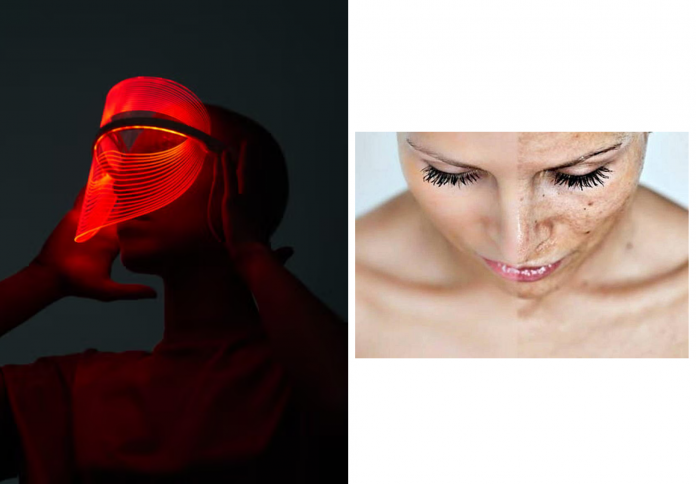
For those living with melasma—a skin condition marked by persistent patches of discoloration—finding an effective, non-irritating treatment can feel like a long and frustrating search. While traditional options like chemical peels and prescription creams often bring side effects or downtime, red light therapy is stepping into the spotlight as a gentler, tech-forward approach. By using targeted wavelengths to calm inflammation and stimulate skin repair, it offers a promising path for those seeking to soften dark spots without disrupting their skin’s balance.
Understanding melasma’s stubborn nature

Melasma is more than a surface-level concern; it’s rooted in the skin’s melanocytes, the pigment-producing cells that can become overactive due to triggers like sun exposure, hormonal shifts, or inflammation. This makes it notoriously hard to treat, as any irritation can potentially worsen discoloration. Many standard interventions, while effective for some, can leave sensitive skin feeling raw or exacerbate the issue.
What sets melasma apart from other pigmentation problems is its chronic, relapsing nature. Even after lightening treatments, discoloration often returns. This is why dermatologists increasingly recommend management strategies that focus on calming the skin and preventing new flare-ups, rather than chasing a one-time “cure.”
How red light therapy works
Red light therapy, also called low-level light therapy, uses specific wavelengths—typically in the red and near-infrared spectrum—to penetrate the skin and influence cellular activity. Unlike lasers, which can be ablative or heat-intensive, red light works without damaging tissue. Its key benefits include reducing inflammation, enhancing circulation, and promoting collagen production, all of which contribute to a more even skin tone.
When it comes to melasma, the anti-inflammatory effect is especially valuable. By soothing the skin and reducing oxidative stress, red light can help slow the overproduction of pigment. It’s not a quick fix, but as part of a consistent routine, it may make discoloration less pronounced over time.
Integrating it into a skincare plan
Experts caution that red light therapy should be viewed as a complement, not a replacement, for other protective measures. Daily sunscreen remains essential, as UV exposure is one of melasma’s most powerful triggers. Pairing red light therapy with gentle brightening agents—like niacinamide or azelaic acid—can enhance results without overwhelming the skin.

Treatment frequency matters. Most protocols suggest multiple sessions per week over several months to see visible improvement. Home devices can make this easier to sustain, though professional-grade treatments often deliver more concentrated benefits. The key is patience and consistency.
A gentle shift in skin treatment philosophy
The rise of red light therapy reflects a broader change in how skin conditions are approached: less aggression, more support. Rather than trying to “erase” melasma at all costs, the focus is on nurturing the skin’s resilience and maintaining its health over the long term.
This gentler approach not only minimizes the risk of setbacks but also aligns with the growing demand for non-invasive beauty solutions. For those who have cycled through harsher treatments without lasting results, the warm, quiet glow of red light may feel like both a technological advancement and a moment of repriev