In a world obsessed with speed and instant gratification, Japan offers a quiet, graceful rebellion: the art of patience. Here, waiting is not a burden but a subtle celebration, a practice woven into daily life and centuries-old traditions alike. Visitors to the country quickly learn that to embrace this rhythm is to discover a new kind of joy — one found in anticipation, restraint, and mindful presence. Tokyo buzzes with neon signs, rushing commuters, and the clatter of pachinko parlours, but beneath the surface lies a gentle, steady pulse. The orderly queues at train stations, the silent platforms, the unhurried rituals — all embody gaman, a uniquely Japanese philosophy of endurance, discipline, and quiet perseverance. It’s a mindset instilled from childhood, shaping how the nation has weathered history’s greatest storms, from the devastation of Hiroshima to the resilience of post-war rebuilding.
The spirit of gaman in everyday life
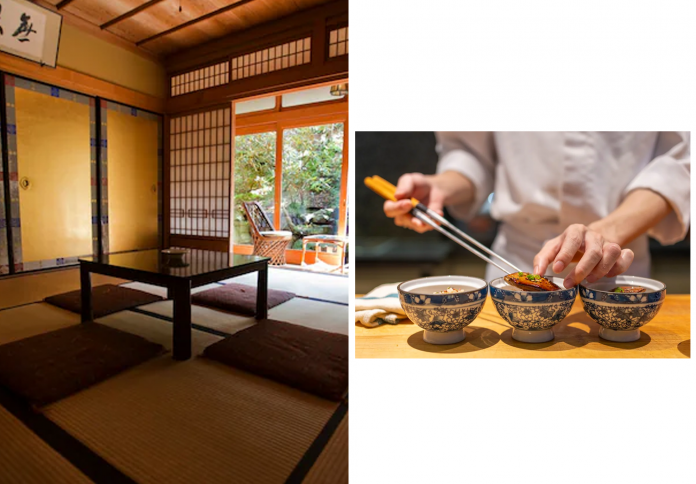
Gaman is more than patience — it’s self-control, discipline, and an inward kindness that extends outward. At Ekoin temple on Koyasan, a sacred mountain retreat enveloped by ancient cedar trees, this ethos is tangible. The temple’s tatami-matted rooms open onto moss-covered courtyards; incense lingers in the air, and time seems to stretch.

During a 24-hour stay, guests participate in meditation sessions, observe a fire ceremony, and enjoy vegetarian meals prepared with quiet care. Sean, one of the temple’s youngest monks, explains softly: “It’s about discipline, self-control, and an inward patience. If you’re patient with yourself, you become patient with others.” This gentle teaching offers a window into a culture that prizes endurance — a vital quality in a country of 125 million people living in close quarters on just 30 percent of its land.

Gaman shapes everyday experiences beyond the temple, especially in Japan’s culinary arts. In Kyoto, Men-Ya Inoichi, a Michelin-starred ramen restaurant, embodies this beautifully. Diners begin queuing at 10:30 a.m. for lunch, receive a ticket at 11 a.m., and return at 12:30 p.m. Rather than irritation, there’s a shared sense of anticipation. Hunger sharpens, and when the steaming bowl of Wagyu beef ramen arrives, each bite feels deeply earned.
The art of savoring time
In Osaka, Sushi Atsuya offers a contrasting but equally patient experience: a two-hour, 20-course omakase tasting where diners surrender control to the chef. The room falls silent as the chef, with over three decades of practice, expertly carves fish and brushes soy with near-meditative precision. Every bite is savoured; every pause deliberate. It’s a dance of trust and patience, an invitation to slow down and fully inhabit the moment.
This ethos resonates beyond food. The traditional tea ceremony, practiced in places like Kyoto’s Gion Tea House, transforms simple acts into ritual. Guests don kimonos and slippers, kneel beside their instructor, and follow a precise sequence: sweets to awaken the palate, matcha whisked into a frothy cup, and a final bow of gratitude. The steady rise of steam, the rhythmic brushing of the whisk — these deliberate motions create a meditative flow, turning tea drinking into an experience of mindfulness. A teabag and kettle could never replicate the calm and reverence of this tradition.

In Tokyo, Hamarikyu Gardens offers another sanctuary of gaman. Nestled among skyscrapers, a traditional tea house overlooks a serene lake. Visitors remove their shoes, tuck them neatly away, and sip green tea alongside fluffy Japanese pancakes. Time slows, conversation softens, and the city’s frenetic energy feels miles away. Nearby, Zojoji Temple offers a similar reprieve. Visitors line up evenly spaced on its stairs, a living testament to patience. Inside, incense swirls around a golden Buddha, inviting silent reflection amid the bustle.
Nature’s slow rhythm and inner mastery
Beyond urban life, Japan’s natural landscapes offer spaces to deepen the practice of patience. In Hakone’s hot spring town, Laforet Hakone Gora Yunosumika presents private open-air onsens bathed in sunlight and framed by forested peaks. Here, the sensory world unfolds slowly: the cool mountain breeze, the soft song of nightingales, and the warm cocoon of steam. Digital distractions feel intrusive, almost sacrilegious, as every sense is anchored to the present moment.

In a society that often feels hurried and overwhelmed, gaman offers a rare and precious gift: the ability to stretch time, to turn waiting into an art form. The quiet pauses, slow queues, and mindful rituals remind us that patience is not just endurance — it is the cultivation of inner mastery and presence.
For visitors raised in cultures of urgency, embracing gaman can be challenging at first. Yet, as you yield to its rhythms — in every deliberate sip of tea, every silent bow, every moment spent simply waiting — life’s vividness returns with unexpected richness. The art of waiting becomes the art of living.

Essentials for practicing patience in Japan
For those wishing to explore this graceful philosophy firsthand, the Mandarin Oriental Tokyo offers a luxurious base with doubles from £1,040 per night. British Airways flies from London Heathrow to Tokyo Narita starting at £1,336 return. The culinary journey at Sushi Atsuya begins at £57 per person for the omakase experience. Visitors can stay at Ekoin temple on Koyasan from £110 per person, including meals and ceremonies. Traditional tea ceremonies at Gion Tea House start at £32. Meanwhile, private onsen rooms at Laforet Hakone Gora Yunosumika begin at £195 per night.
In Japan, patience is a way of life, a thread woven through history, culture, and daily rituals. It invites us all to slow down, breathe deep, and discover the beauty in waiting.