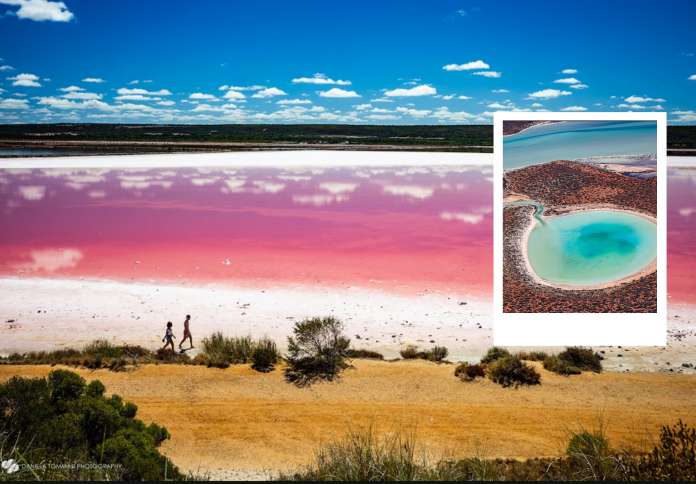
Once-tinted pink by microbial pigments in hypersaline conditions, Western Australia’s famous lakes—like Hutt Lagoon and Lake Hillier—have enchanted travelers and photographers for years. However, climate change and human activity now threaten their rosy reflections, casting uncertainty on some of Australia’s most surreal landscapes.
Science explains the bubblegum hue
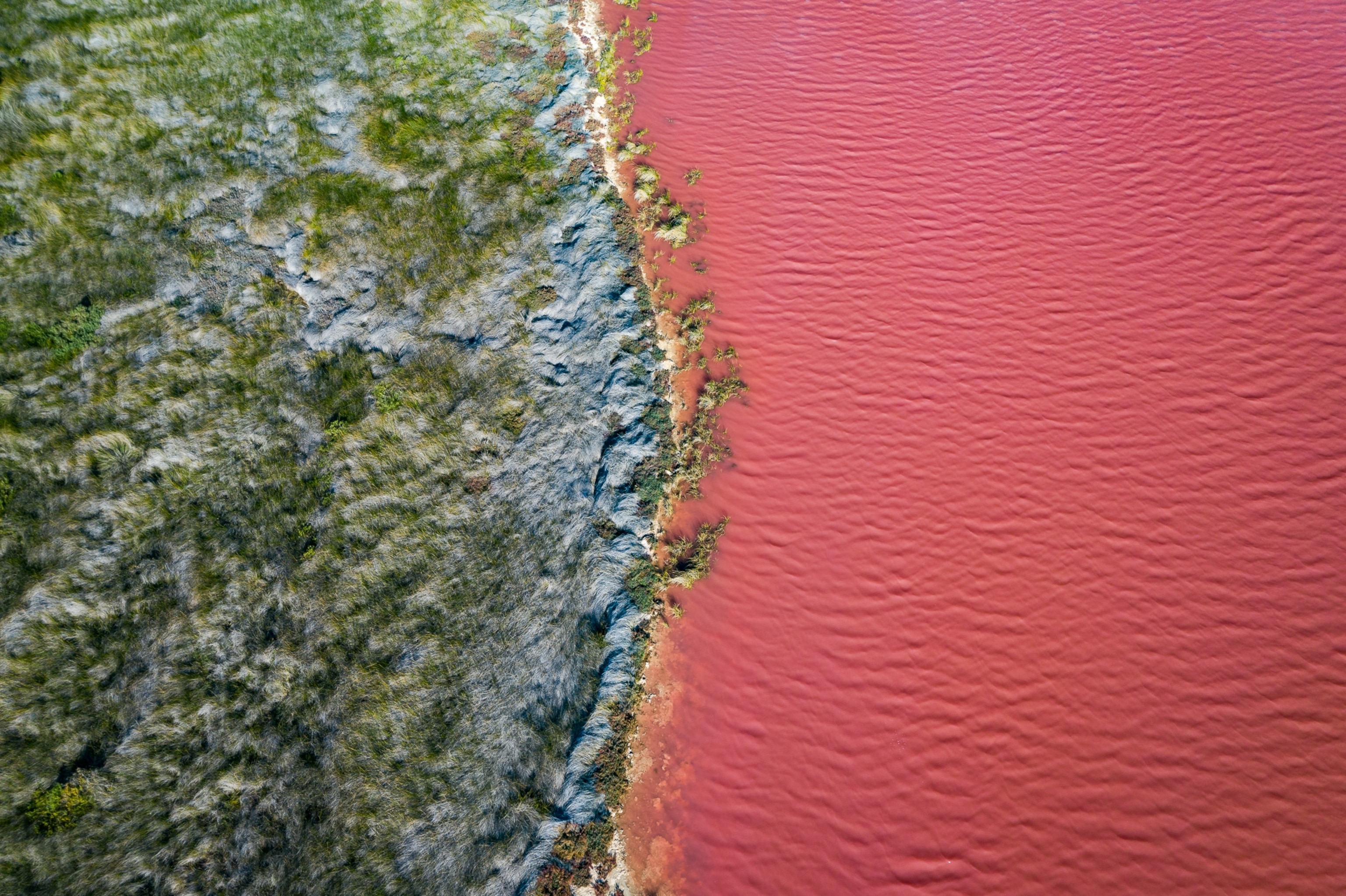
The striking pink color of these lakes stems from halophilic organisms—especially the algae Dunaliella salina and halophilic bacteria such as Halobacterium—that produce red pigments like beta-carotene under high salinity and intense sunlight. These microorganisms flourish in concentrated salt lakes, reflecting hues that range from pale pink to electric magenta.
In lakes like Hillier, located on Middle Island, these organisms dominate constantly, creating a nearly year‑round pink hue. Other lakes—such as those near Esperance or Quairading—vary depending on evaporation, rainfall, and salt levels, making their color fickle and ephemeral.
Iconic lakes: Hutt Lagoon and Hillier
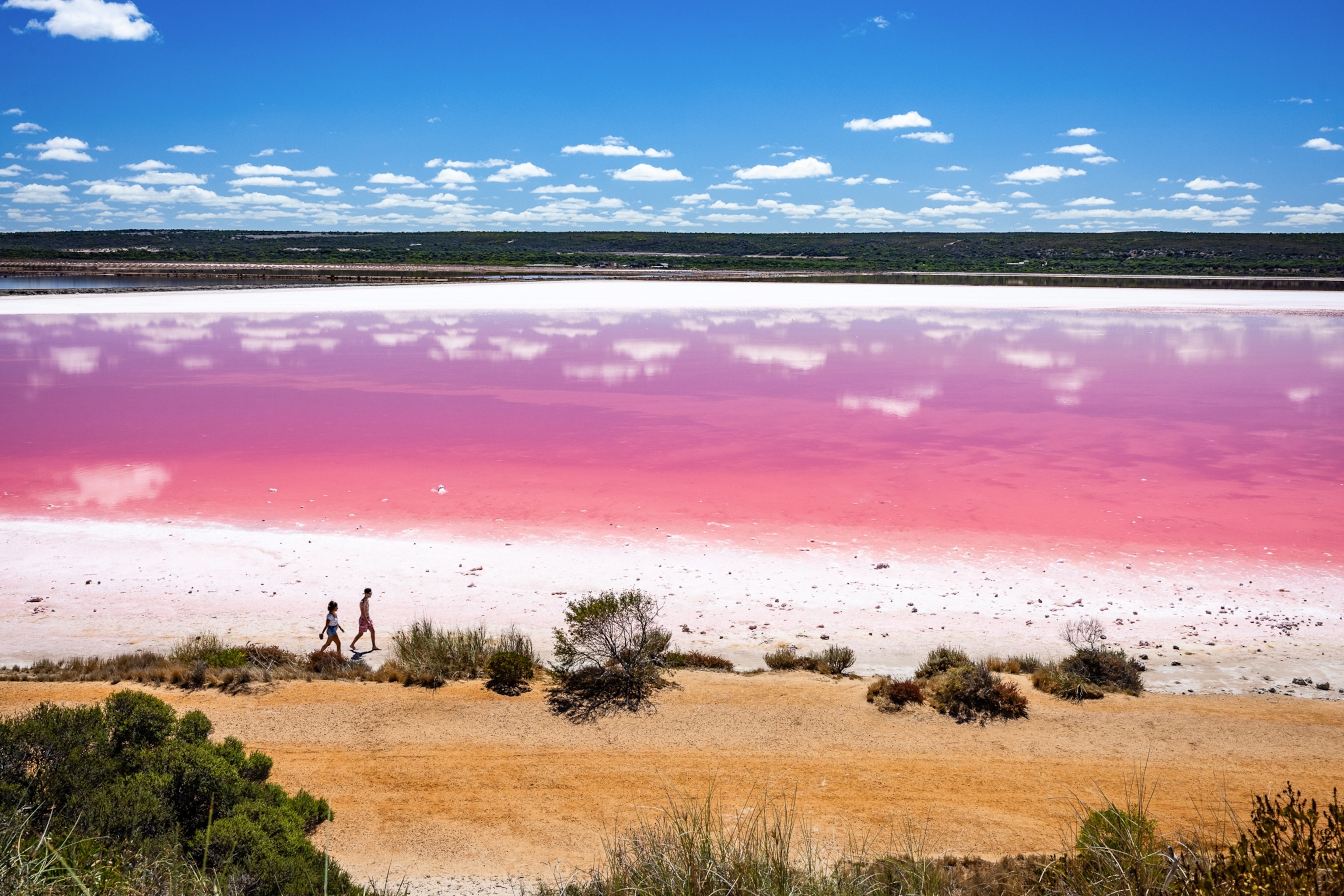
Hutt Lagoon—on the Coral Coast about 5.5 hours north of Perth—spreads over roughly 70 km² and is considered the most reliable in color. Its hues shift across morning and sunset, sometimes reflecting dramatic shades of pink, red, or even purple depending on weather and light. It remains accessible to visitors and offers striking aerial views.
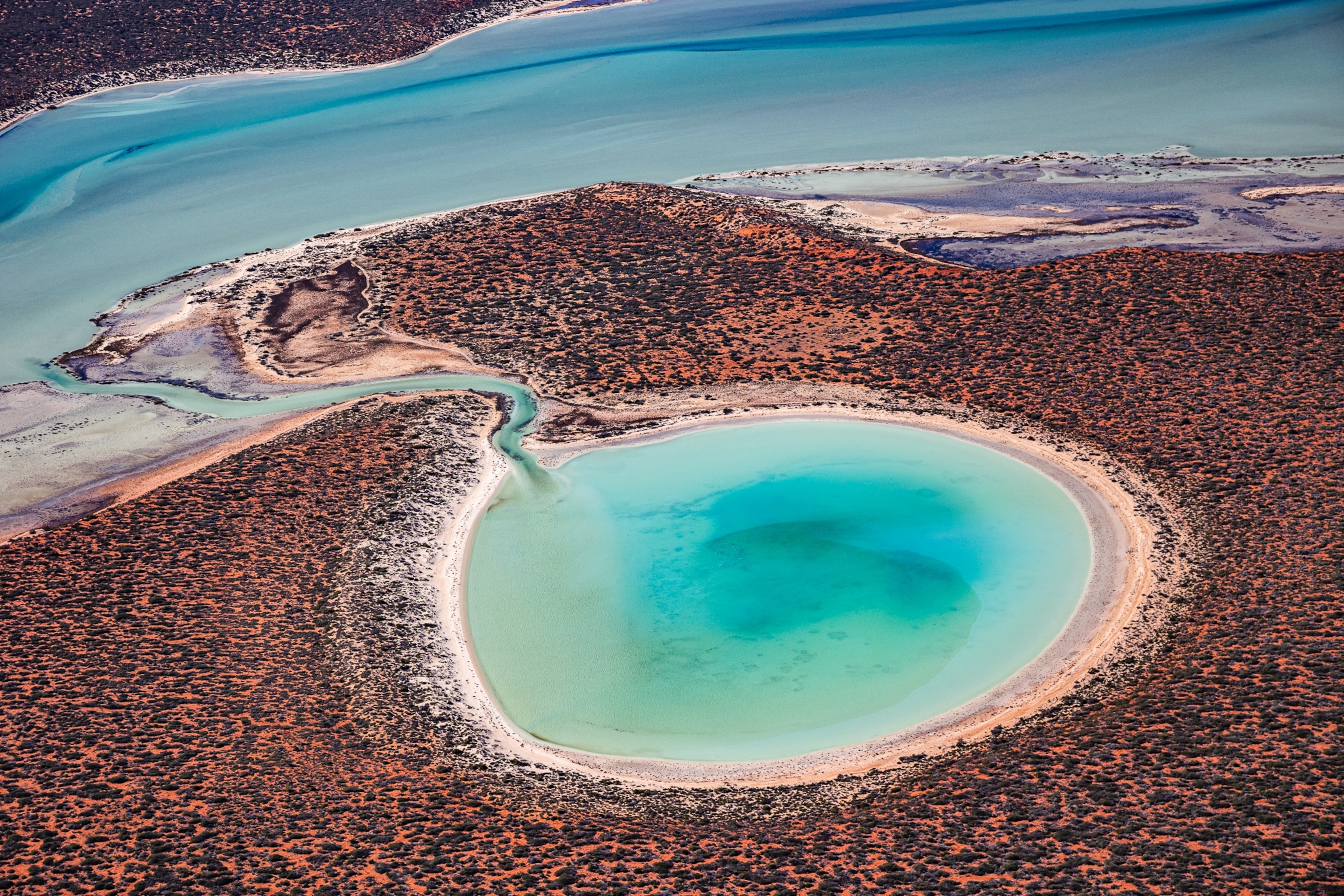
Lake Hillier sits on Middle Island in the Recherche Archipelago, about 9 km off the southern coast. At approximately 600 m long and 250 m wide, it’s historically known for a bubblegum pink tone visible from the air as it borders deep blue ocean water. Some deterioration of its pink hue has been reported due to dilution but scientists anticipate recovery as conditions stabilize.
Threats: climate, infrastructure, changing salinity
Over the past two decades, warming temperatures, altered hydrology, and salt-mining have disrupted the delicate balance underpinning these poetic lakes. For instance, Esperance’s namesake “Pink Lake” has lost its colour entirely since 2017 after highway construction and water diversion altered salinity levels.
Lake Hillier has shown signs of fading following unusually heavy rainfall that diluted its salt content. Scientists remain hopeful since pink organisms can rebound once salinity rises again—but the specter of climate instability looms large.
Visiting today: experience and expectations
Those who adventure to Hutt Lagoon will likely capture vivid reflections—especially on bright, sunny days between late morning and early afternoon. Scenic flights offer optimal vantage points above the vast pink expanse alongside Coral Coast panoramas. Ground viewpoints also provide stunning comparisons between lake and ocean hues.
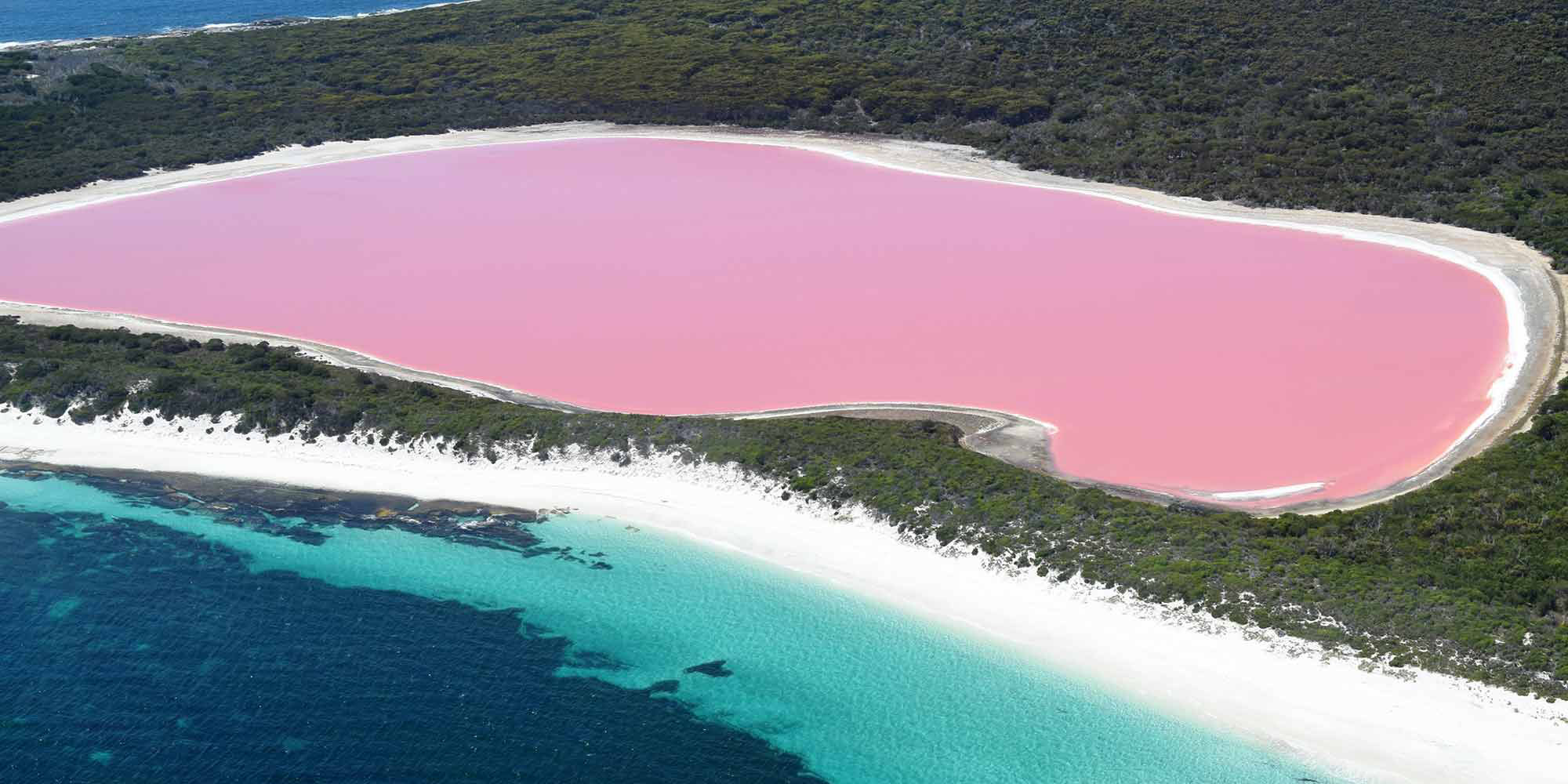
Lake Hillier requires organized tours by boat or air from Esperance. Although current visitation offerings may not include swimming due to conservation protocols, it remains one of the most emblematic of WA’s pink lakes—and a reminder of the landscape’s fragility.
Pastel wonder under pressure
Western Australia’s pink lakes are wonders made visible by microscopic life and a fine balance of salt, sun, and dry heat. But as climate shifts and human infrastructure reshape the landscape, even the most vivid tints face uncertainty. For travelers, the lakes are beautiful—but also temporal reminders: nature’s spectacle demands both admiration and care.