The BRICS+ Fashion Summit – the Fashion Business Forum of Fast-Growing Economies and an accredited BRICS event – has concluded in Moscow. From September 28 to 30, hundreds of speakers from more than 60 countries took part in its sessions. Over several days of intensive meetings and events, fashion professionals from across the globe gathered in Moscow to share their expertise. Industry leaders from Asia, Africa, Latin America, the Middle East, and Europe – heads of national fashion weeks and industry associations, representatives of government organizations, manufacturers, retailers, investors, and designers – came together at the BRICS+ Fashion Summit to shape new priorities and strategic solutions for a fashion industry undergoing structural transformation.
Participants at the BRICS+ Fashion Summit discussed how production and logistics chains are changing, how national heritage is becoming a competitive advantage for brands, where artificial intelligence can help designers and retailers, what the new generation of consumers expects from fashion, and how emerging brands can grow in international markets. The Asian region is the world’s largest center of textile production and one of the main drivers of growth in fashion consumption. Experts from the region spoke about how technology is changing the customer journey, how culture and entertainment are strengthening brands’ influence, and what solutions will transform garment manufacturing in the coming years. For the Philippines, the Summit provided another opportunity to expand export channels and find new growth opportunities abroad.
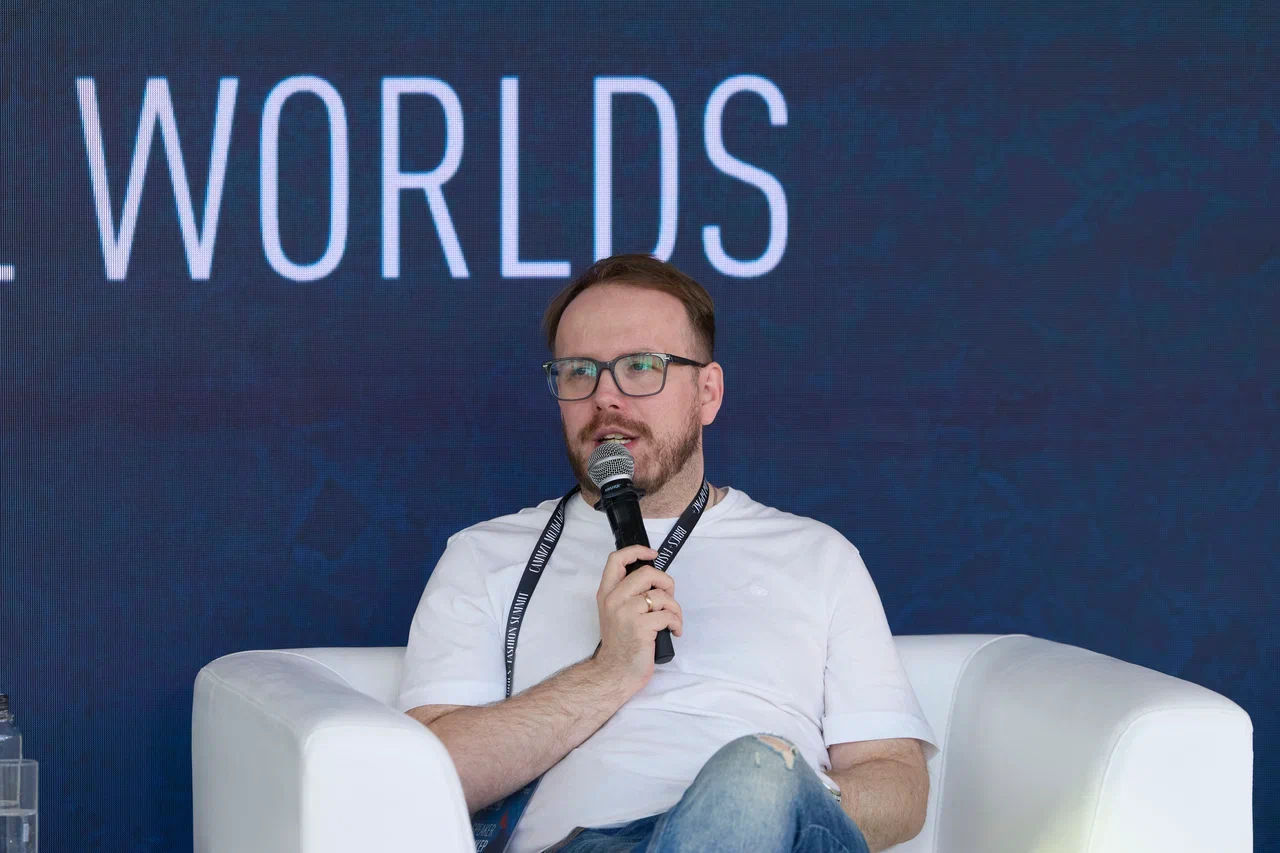
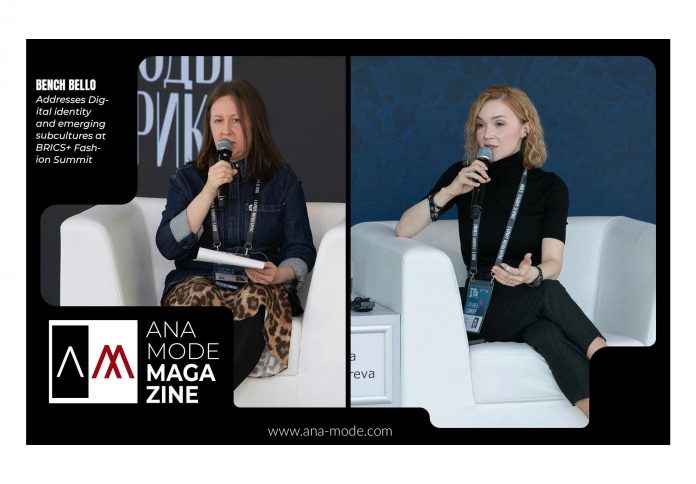
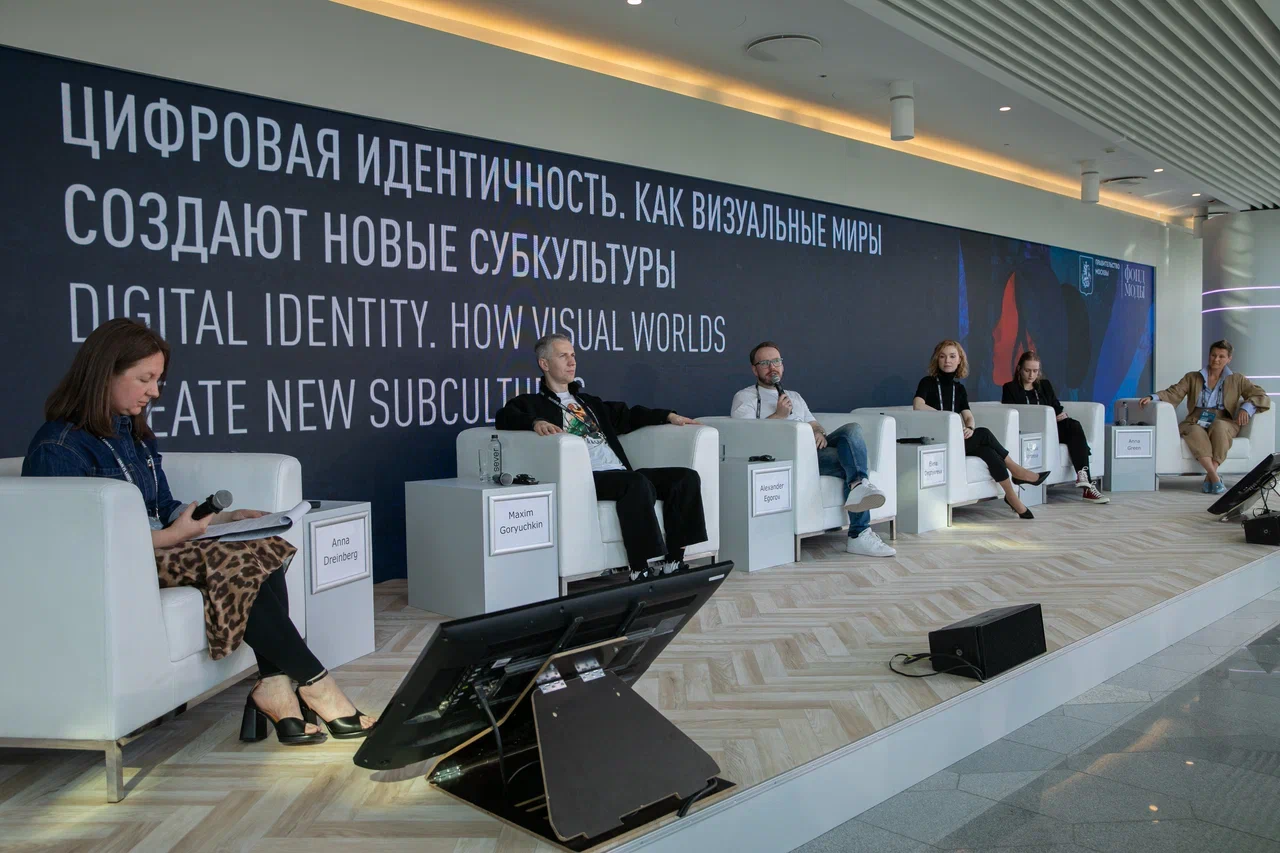
The Philippines was represented at the Summit by Bench Bello, Founder and CEO of Manila International Fashion Week, who took part online in a discussion “Digital Identity. How Visual Worlds Create New Subcultures.” The session explored how aesthetics born in games, social networks, and virtual communities are moving beyond the digital space and shaping real-world fashion, design, and popular culture. “I believe the digital environment has changed fashion in a very significant way. Fashion is no longer simply about buying and consuming clothing. It has increasingly become a powerful tool for self-expression, storytelling, identity, and connection.” Bench Bello notes.
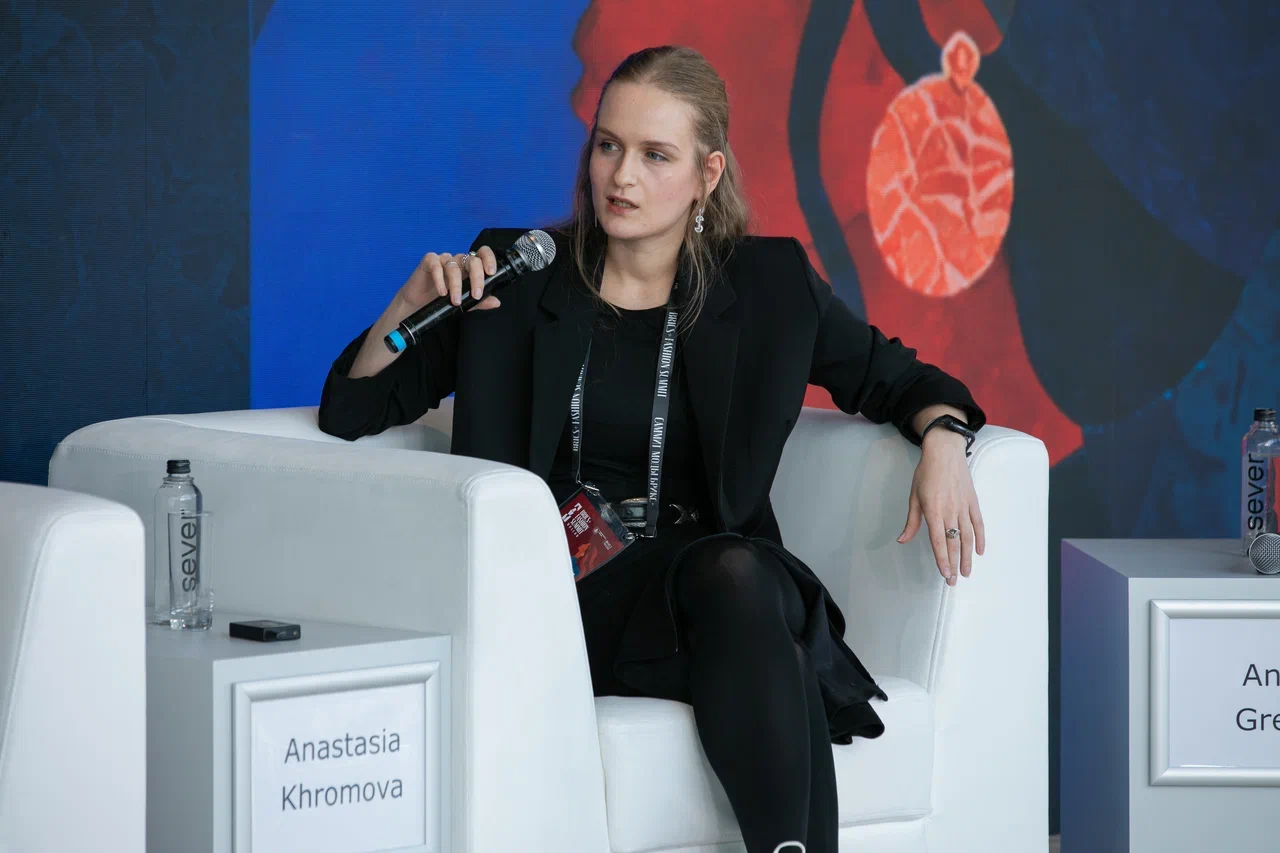
The region was also represented at the Summit by Asad Sattar, Founder and Creative director of Arka Fashion Week (Bangladesh), Nguyen Vi Huu Canh, Head of Fashion Sector of Vietnam Design Association; Ajai Vir Singh, Founder and Managing Director of Colombo Fashion Week (Sri Lanka); and others.
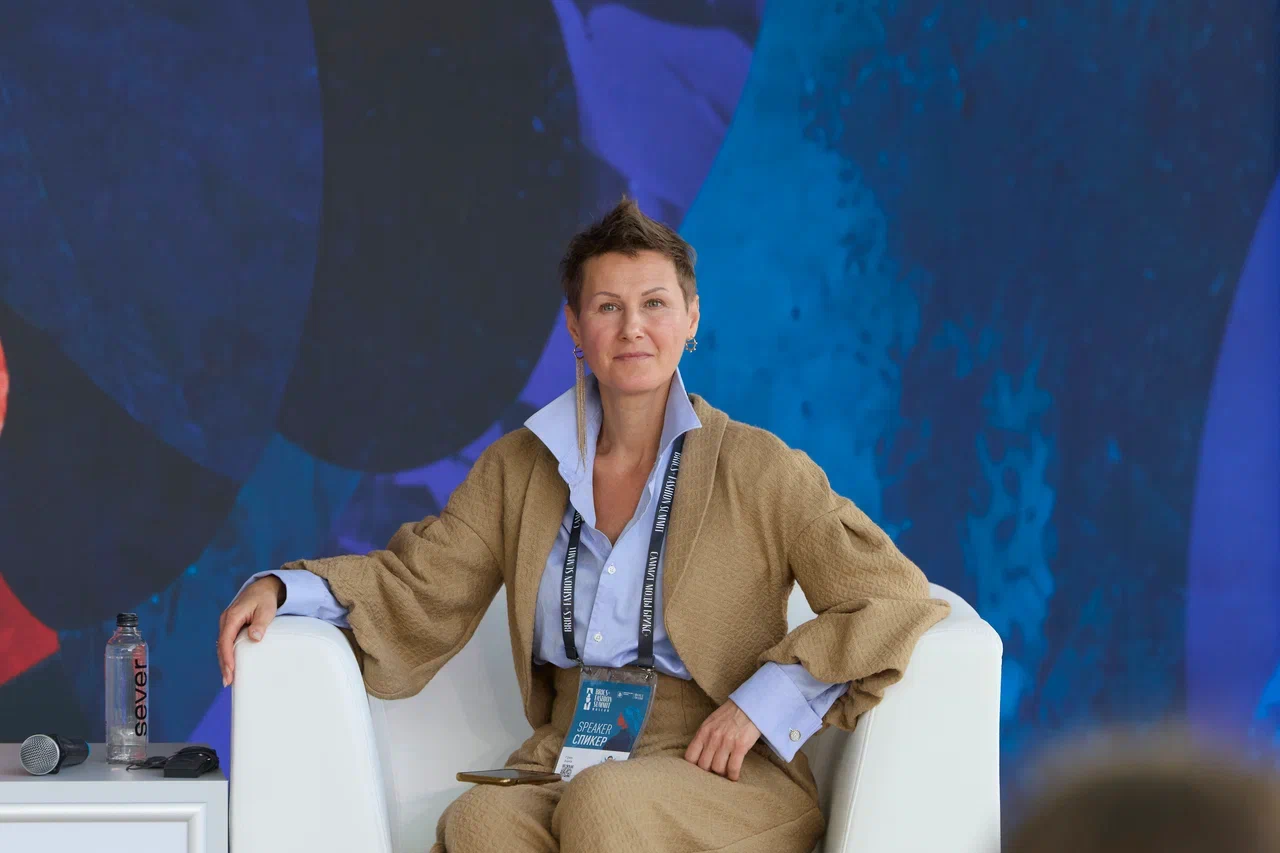
During the Summit, another major event on the international fashion calendar took place in Moscow: Moscow Fashion Week, the largest event showcasing emerging fashion, brought together more than 350 designers from different countries. Limak by Kamil from Sri Lanka presented a collection there.
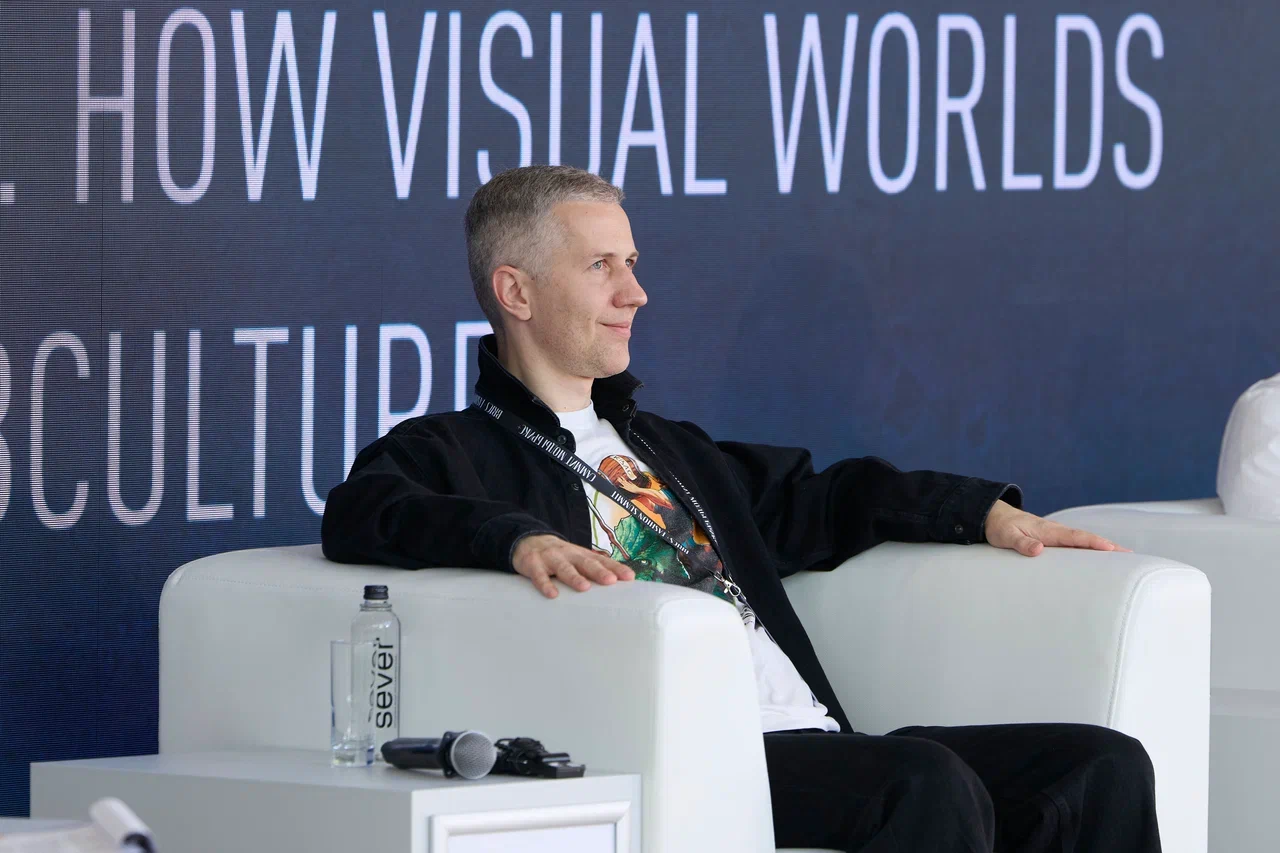
The BRICS+ Fashion Summit further established Moscow as a hub for international fashion cooperation, where business connections between countries and companies develop into partnerships and joint projects. “The BRICS+ Fashion Summit helps us recognize that the future of fashion can be much more multipolar and inclusive,” Bench Bello emphasizes.