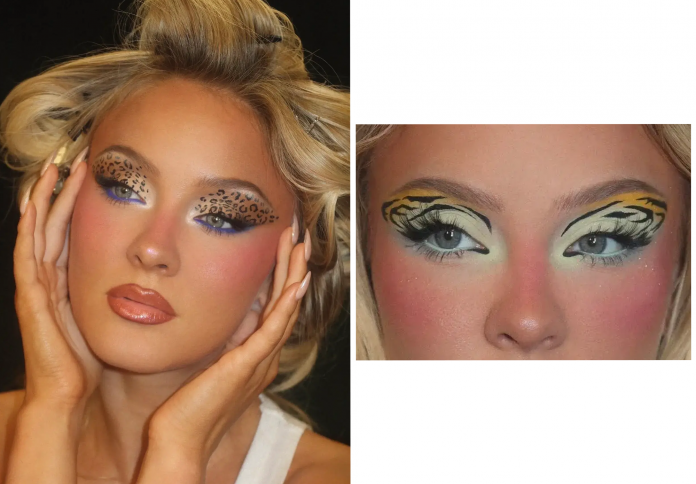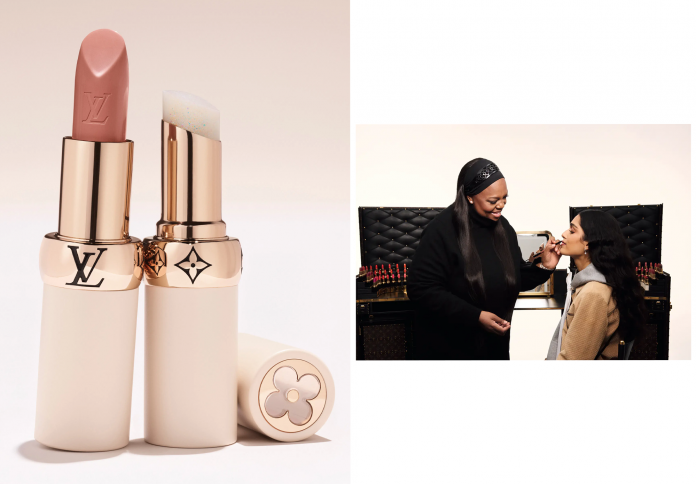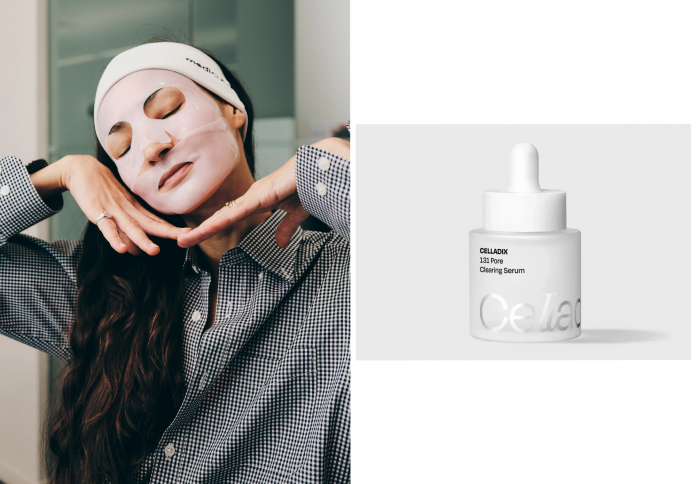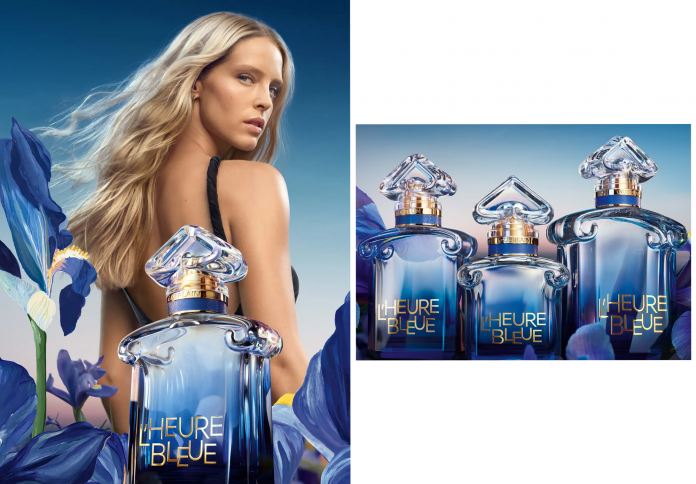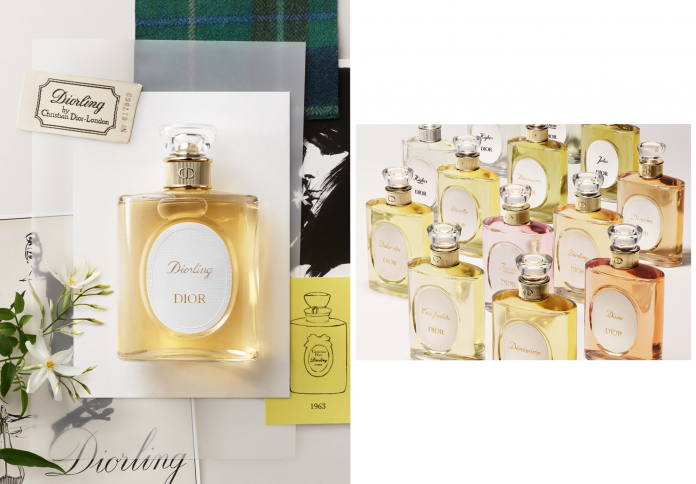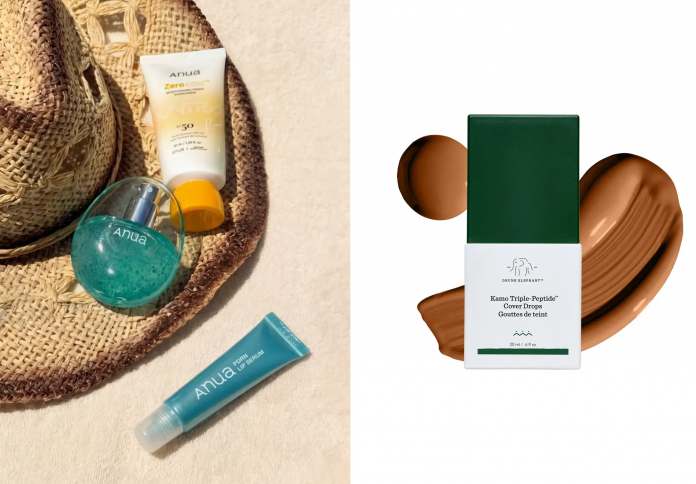
New makeup, skincare, fragrance, and hair products arrive so frequently that a monthly beauty roundup can feel like a map of an entire industry rather than a simple shopping list. August 2026's selection brought brands including Kylie Cosmetics, Drunk Elephant, and Anua into the same editorial orbit, a reminder that beauty innovation now spans very different budgets, product types, and rituals. The more useful question is not which launch generated the most attention, but where a new formula genuinely fits. A fragrance can change the mood of an ordinary morning; a moisturizer has a less theatrical but more repetitive job. Looking closely at the work each product is meant to perform turns a calendar of launches into an exercise in judgment, separating curiosity from purchases that earn a regular place on the shelf.
A launch calendar is not a skincare plan
A monthly beauty edit gathers items that may have little more in common than timing. A lipstick, a hair treatment, and a facial serum solve different problems, and ranking them as though they were directly comparable can disguise the practical questions. A successful release may be novel in texture, packaging, scent, color, or user experience without being necessary for someone whose existing routine works. Curiosity is legitimate; urgency is usually manufactured.
Summer complicates the conversation. Heat, sweat, air conditioning, travel, and frequent washing can alter how products feel, even if they do not change an individual's underlying skin type. An August shopping decision is therefore partly seasonal. Lightweight textures and comfortable wear can matter more than promises of radical reinvention. A new product should be assessed in the actual circumstances of use, not simply against the immaculate images surrounding its announcement.
Three brands, three different shopping instincts
Kylie Cosmetics operates in a cosmetics market where shade, finish, celebrity association, and visible style help shape desire. Drunk Elephant is closely associated with skincare conversations about combining products and building routines. Anua is often discussed within the international appetite for Korean skincare. Putting these names side by side exposes the variety of expectations customers bring to beauty: transformation through color, confidence through consistency, or the possibility of discovering an unfamiliar texture.
Those expectations can be useful guides, but they also create blind spots. A makeup release should be evaluated for performance on the face, not merely a compelling swatch. A skincare release deserves attention to compatibility with products already in use. Korean origin alone does not guarantee a gentler or better formula. Brands offer distinctive points of entry to a category; no country or celebrity label replaces the question of what is actually inside the package.
The tactile difference is often the story
Beauty editors are understandably drawn to the moment when a product first touches skin or hair. A cream that spreads without residue, a lip color that stays comfortable, or a treatment that rinses clean can affect repeat use. These tactile details rarely translate neatly into a list of headline ingredients, yet they influence whether a purchase survives beyond the first week. Performance should be interpreted through the user's routine, climate, and preferences.
Fragrance makes the subjectivity especially clear. Notes listed on a product page describe a direction, but how perfume develops varies with context and the wearer's perception. A blind purchase based on a launch photograph is therefore a wager on imagined experience. Sampling, wearing, and noticing are not less sophisticated than reading a marketing campaign; they are forms of evidence that a shopper can gather firsthand.
The economics of trying something new
The true cost of experimentation includes products left unfinished after an impulsive purchase. Frequent releases encourage accumulation because each bottle promises a slightly improved version of an already satisfactory result. For skincare, repeatedly changing multiple steps at once also makes it hard to work out which formula helped or caused irritation. The consequence is not only wasted money but weaker information about one's own preferences.
A useful shopping method assigns a role to each potential purchase. Is it replacing an empty staple, testing a missing category, or simply supplying pleasure? All three can be valid, provided they are recognized. A trial size or single shade may be more revealing than an entire collection. The discipline of choosing fewer products does not require rejecting beauty as creative expression; it protects room for purchases that genuinely delight.
After the announcement, everyday life decides
A launch image belongs to a single carefully designed moment. A routine exists across hundreds of ordinary mornings and evenings, many of them rushed. That is where a product's pump, scent, texture, cleanup, and reliability become decisive. A hair treatment that requires more time than a person has available is unlikely to remain a favorite, regardless of how attractive its premise sounded at release.
The most interesting thing about August's crowded beauty landscape is not the number of new products but the range of rituals competing for attention. Some will become habits; others will remain memorable campaigns. The distinction can only emerge after the glamour of launch week fades. An effective edit starts with a genuine need, makes room for pleasure, and leaves enough empty space for the next month to arrive without requiring a new routine from scratch.
There is also a difference between discovering a launch and learning whether it works. Early impressions tend to focus on packaging, texture, and first application because that is what can be assessed quickly. Long-term reliability, however, depends on how the product performs after the excitement disappears. A foundation may look excellent for ten minutes and settle differently later; a moisturizer may initially feel rich and prove uncomfortable in hot weather. Reviews become more informative when they disclose the conditions of use, comparison products, and any disadvantages. A launch roundup is a beginning of that evaluation, not its final answer.