The Upstairs at Hausu listening bar in Peckham is less interesting as a standalone headline than as a window onto how sound-first hospitality can use color, curtains, furniture, and lighting to make music feel architectural rather than incidental. Upstairs at Hausu is a listening bar above the Hausu restaurant near Peckham Rye in London. The restaurant opened in October 2024, with the upstairs music-focused space extending the venue's identity. The bar's design works because it does not treat high-fidelity audio as equipment added after the room is finished; the entire atmosphere is built around the social ritual of sitting down and paying attention. Rather than treating the moment as a checklist of products, names, or announcements, the more useful approach is to ask what changes for the people who actually use, watch, enter, or live with it. The most persuasive interiors are
A Space With More Than One Life
Upstairs at Hausu is a listening bar above the Hausu restaurant near Peckham Rye in London. The restaurant opened in October 2024, with the upstairs music-focused space extending the venue's identity. A listening bar asks for a different kind of attention than a loud nightlife venue: conversation still matters, but the room also gives the record enough space to become a shared event. The important point is not simply that these details exist, but that together they define the conditions of the story: who is making the decision, what has changed, and why the moment now feels different from an ordinary product release, workplace adjustment, episode recap, or interior refresh.
The most persuasive interiors are rarely collections of objects alone. They organize movement, attention, acoustics, light, and memory, allowing a commercial or domestic space to communicate before a visitor reads a sign or studies a material specification. In this case, that context sharpens how acoustics and atmosphere can work together without turning a music bar into a reverent listening chamber. It also keeps the article from mistaking visibility for significance; the most photographed or repeated detail may open the story, but it is the relationship among the details that gives the subject its editorial weight.
Material as a Working Tool
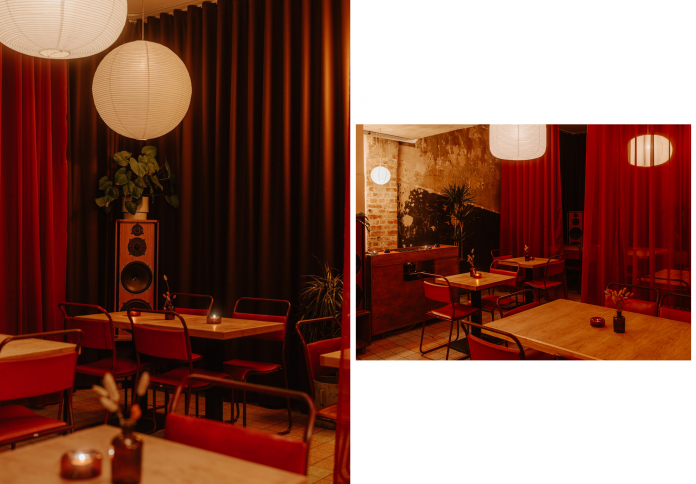
Artist and designer Eva Gold shaped the interior. The design takes cues from the red-room atmosphere of Twin Peaks and from the 1977 Japanese horror film House, known as Hausu. Those facts create a more useful frame than hype alone. They show how the subject works at the level of format, process, casting, policy, material, or service rather than leaving it as an abstract trend. Curtains, upholstered vintage seating, and soft light help create visual and acoustic intimacy, while the reference points keep the room slightly uncanny rather than purely nostalgic.
Adaptive reuse makes that task more demanding because the designer is working with two timelines at once. Existing structure carries physical and cultural information, while new uses require comfort, accessibility, services, and a clear identity in the present. That makes comparison important. The relevant question is not whether every consumer, institution, viewer, or visitor should respond in the same way, but which conditions make the idea work and which conditions expose its limits.
Designing the Visitor's Route
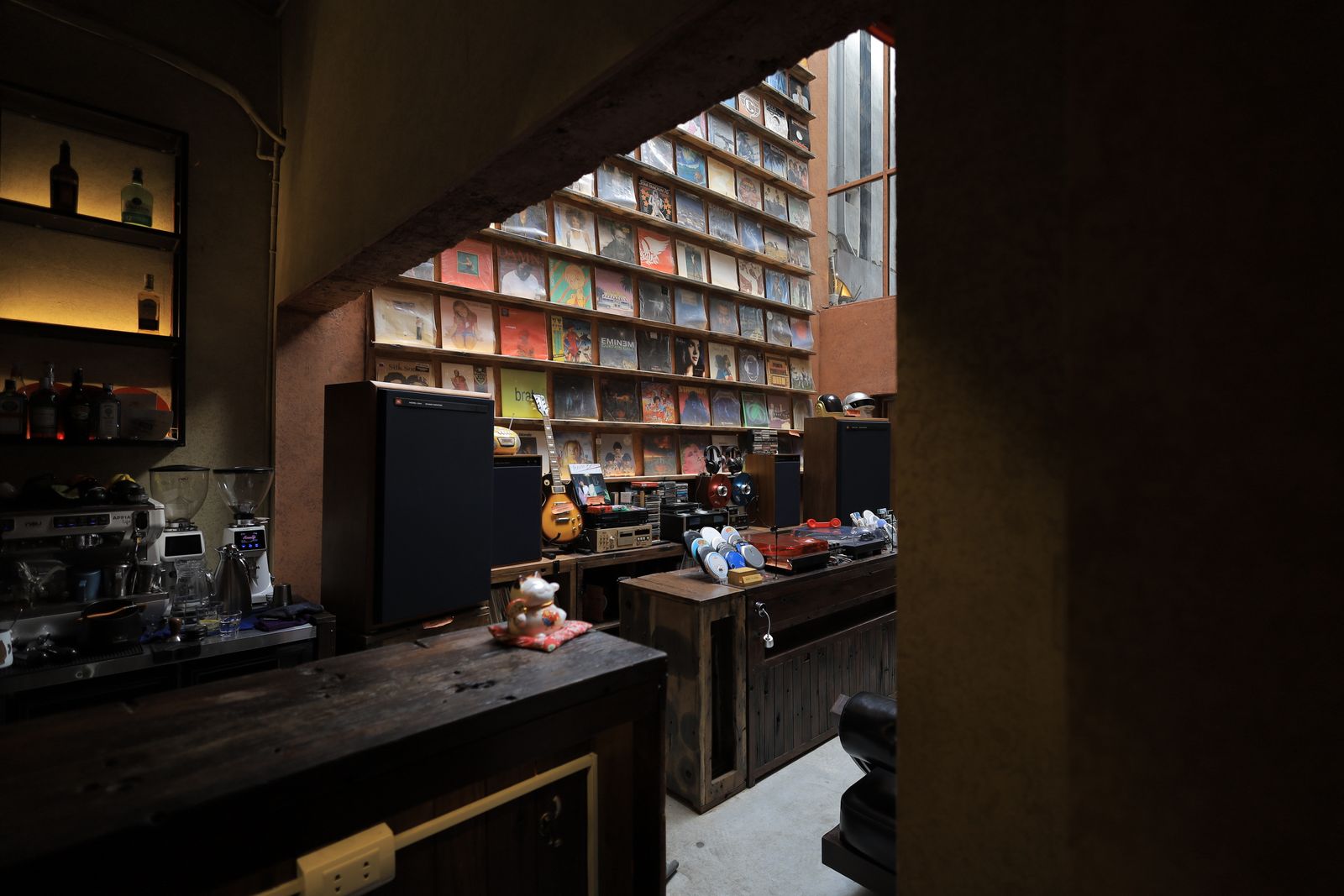
A chocolate-and-cherry color palette, layered sheer curtains, vintage furniture, and sculptural paper lights create a soft, theatrical environment. Large speakers and a high-fidelity sound system are central to the room's purpose rather than hidden as background infrastructure. This is where the story moves from announcement to experience. The subject is interpreted through repeated choices: what gets emphasized, what becomes optional, what is standardized, and what remains dependent on individual judgment. Drinks support the rhythm of staying in place for longer sets, making hospitality part of the listening practice rather than a separate transaction.
The central tension is between atmosphere and legibility. A space can be theatrical without becoming confusing, and it can preserve traces of history without freezing them into décor. The best interventions make the relationship between old and new easy to feel even when it is not explicitly explained. For the Upstairs at Hausu listening bar in Peckham, the tension is particularly visible in the desire for serious sound and the need to keep the room socially relaxed. That tension is productive when it leads to better choices and clearer expectations rather than simply producing another layer of marketing language or speculation.
Old Structure, New Behavior
Programming spans styles including jazz, post-punk, and DJ-led evenings. The wine list was developed with Rose, formerly a sommelier at Brat, and the drinks program includes cocktails by Tom. Those details also define the boundary of what can responsibly be claimed. A listening bar succeeds when audio quality supports hospitality rather than policing how guests are allowed to behave around music. An editorial reading can still be enthusiastic, skeptical, or aesthetically engaged without turning uncertainty into certainty.
Commercial identity adds another layer. A memorable interior has to photograph well, but it also has to function for staff, repeat visitors, maintenance, storage, circulation, and changing programs. The image is only one moment in a much longer operational life. The point is not to remove pleasure from the story. It is to make the pleasure more durable by separating what has been demonstrated from what is merely possible, and by recognizing that users and audiences bring different needs, tastes, and tolerances to the same idea.

What the Project Leaves Behind
The venue sits at 11a Station Way and reflects a wider revival of listening bars where music selection, acoustics, and hospitality are designed as one experience. As more venues adopt the label, the distinction will depend on programming and acoustic care rather than simply installing large speakers in a photogenic room. Seen this way, the subject is not a finished verdict but a snapshot of a system in motion. Products will be reformulated, software will be updated, series will continue, stores will age, and cultural labels will change; the useful editorial task is to identify which underlying choices are likely to remain meaningful when that happens.
The project is most convincing when the concept can be read in use rather than only in photographs. A room that helps people understand where to pause, gather, browse, listen, or retreat has translated an idea into architecture. Upstairs at Hausu feels specific because the music is not one feature among many; it is the reason the room has been composed the way it has. The strongest takeaway is therefore not a command to buy, believe, visit, or predict. It is a clearer understanding of why this moment matters now and what evidence will matter next.