Toune, a renovated 120-year-old Kyoto machiya by Keiji Ashizawa is less interesting as a standalone headline than as a window onto how hospitality can preserve traditional spatial rituals by letting guests live through them rather than observe them behind a boundary. Keiji Ashizawa renovated a roughly 120-year-old Kyoto machiya into a guesthouse called toune. The two-story property can accommodate up to eight guests. The project treats the machiya as a house first, using contemporary furniture and comfort to support the old sequence of entry, tatami, garden, timber structure, and filtered light. Rather than treating the moment as a checklist of products, names, or announcements, the more useful approach is to ask what changes for the people who actually use, watch, enter, or live with it. Material choices matter most when they are tied to behavior. Timber can soften a retail room, metal
A Space With More Than One Life
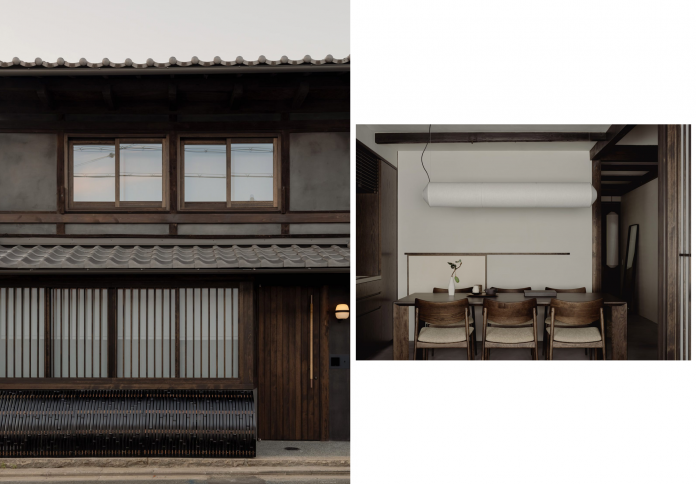
Keiji Ashizawa renovated a roughly 120-year-old Kyoto machiya into a guesthouse called toune. The two-story property can accommodate up to eight guests. The guest experiences heritage by taking off shoes, crossing thresholds, sitting at different floor heights, opening screens, and looking into the garden—not by reading a label about those customs. The important point is not simply that these details exist, but that together they define the conditions of the story: who is making the decision, what has changed, and why the moment now feels different from an ordinary product release, workplace adjustment, episode recap, or interior refresh.
Material choices matter most when they are tied to behavior. Timber can soften a retail room, metal can make a new intervention legible against an old shell, and movable furniture can turn a fixed shop into an event space; the effect comes from use, not from material prestige alone. In this case, that context sharpens hospitality as a form of preservation through embodied use. It also keeps the article from mistaking visibility for significance; the most photographed or repeated detail may open the story, but it is the relationship among the details that gives the subject its editorial weight.
Material as a Working Tool
The renovation preserves traditional elements including latticework, a tori-niwa passage, timber framing, internal garden space, a tokonoma alcove, an agari-kamachi entrance transition, and shoji. A tatami room sits about 30 centimeters above the dining area, making the change in floor level part of the spatial sequence. Those facts create a more useful frame than hype alone. They show how the subject works at the level of format, process, casting, policy, material, or service rather than leaving it as an abstract trend. Contemporary furniture can make the old house comfortable without pretending every object belongs to the same period.
Hospitality and retail design increasingly blur the line between showroom and social space. A store can host events, a restaurant can become a neighborhood living room, and a listening bar can treat sound as architecture rather than background entertainment. That makes comparison important. The relevant question is not whether every consumer, institution, viewer, or visitor should respond in the same way, but which conditions make the idea work and which conditions expose its limits.
Designing the Visitor's Route
Double-height voids help reveal the existing timber structure and allow visual connections between levels. Contemporary furnishings include pieces from Karimoku Case and lighting from Santa & Cole. This is where the story moves from announcement to experience. The subject is interpreted through repeated choices: what gets emphasized, what becomes optional, what is standardized, and what remains dependent on individual judgment. The balance is important because an overly precious interior would make guests afraid to inhabit it, while an aggressively modern renovation could erase the reasons the building was worth saving.
The central tension is between atmosphere and legibility. A space can be theatrical without becoming confusing, and it can preserve traces of history without freezing them into décor. The best interventions make the relationship between old and new easy to feel even when it is not explicitly explained. For toune, a renovated 120-year-old Kyoto machiya by Keiji Ashizawa, the tension is particularly visible in the commercial benefits of short-term hospitality and the need to protect both building fabric and neighborhood life. That tension is productive when it leads to better choices and clearer expectations rather than simply producing another layer of marketing language or speculation.
Old Structure, New Behavior
The garden was designed by INOHANA MUSOUEN. The project avoids reconstructing an imagined historical interior; modern furniture and services are introduced clearly within the old frame. Those details also define the boundary of what can responsibly be claimed. A single guesthouse cannot resolve the wider pressures facing Kyoto's machiya, so its success should be read as one adaptive-reuse model rather than a universal solution. An editorial reading can still be enthusiastic, skeptical, or aesthetically engaged without turning uncertainty into certainty.
Commercial identity adds another layer. A memorable interior has to photograph well, but it also has to function for staff, repeat visitors, maintenance, storage, circulation, and changing programs. The image is only one moment in a much longer operational life. The point is not to remove pleasure from the story. It is to make the pleasure more durable by separating what has been demonstrated from what is merely possible, and by recognizing that users and audiences bring different needs, tastes, and tolerances to the same idea.

What the Project Leaves Behind
As a rental home, the building must support sleeping, cooking, bathing, luggage, and group use while preserving delicate traditional elements. The project will age well if ordinary use deepens the relationship among timber, garden, furniture, and ritual instead of requiring the interior to remain photographically untouched. Seen this way, the subject is not a finished verdict but a snapshot of a system in motion. Products will be reformulated, software will be updated, series will continue, stores will age, and cultural labels will change; the useful editorial task is to identify which underlying choices are likely to remain meaningful when that happens.
The project is most convincing when the concept can be read in use rather than only in photographs. A room that helps people understand where to pause, gather, browse, listen, or retreat has translated an idea into architecture. Toune suggests that preservation can feel most alive when the visitor is trusted to become, briefly, a resident. The strongest takeaway is therefore not a command to buy, believe, visit, or predict. It is a clearer understanding of why this moment matters now and what evidence will matter next.