Kyoto's effort to preserve and adapt machiya townhouses is less interesting as a standalone headline than as a window onto how heritage policy is shifting from protecting facades toward helping traditional buildings remain economically and socially usable. Kyoto adopted a new Machiya Preservation and Inheritance Promotion Plan in April 2026. Machiya are traditional urban townhouses that have historically combined domestic and commercial functions. The challenge is not simply to stop demolition; it is to make adaptation viable enough that owners can keep machiya occupied without stripping away the spatial qualities that make them distinct. Rather than treating the moment as a checklist of products, names, or announcements, the more useful approach is to ask what changes for the people who actually use, watch, enter, or live with it. Hospitality and retail design increasingly blur the line between showroom and social space. A
A Space With More Than One Life
Kyoto adopted a new Machiya Preservation and Inheritance Promotion Plan in April 2026. Machiya are traditional urban townhouses that have historically combined domestic and commercial functions. A machiya kept empty for the sake of visual purity can be just as vulnerable as one altered beyond recognition; survival usually requires a negotiated middle ground. The important point is not simply that these details exist, but that together they define the conditions of the story: who is making the decision, what has changed, and why the moment now feels different from an ordinary product release, workplace adjustment, episode recap, or interior refresh.
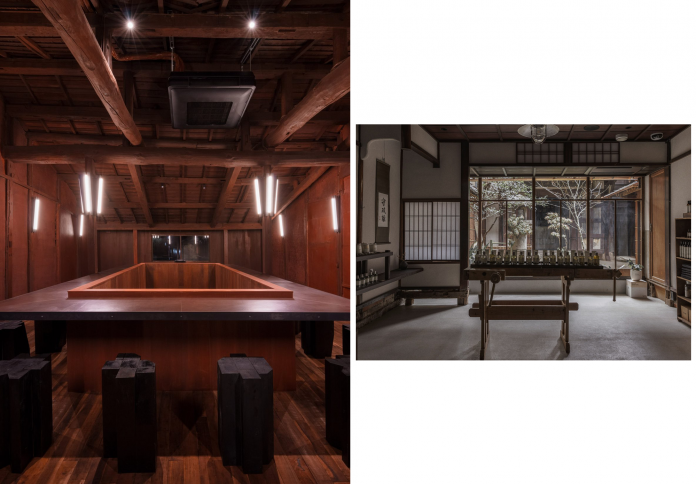
Hospitality and retail design increasingly blur the line between showroom and social space. A store can host events, a restaurant can become a neighborhood living room, and a listening bar can treat sound as architecture rather than background entertainment. In this case, that context sharpens how policy, craft, and viable contemporary use have to support one another. It also keeps the article from mistaking visibility for significance; the most photographed or repeated detail may open the story, but it is the relationship among the details that gives the subject its editorial weight.
Material as a Working Tool
Many have been demolished over decades because of maintenance costs, redevelopment pressure, changing household needs, and modern building requirements. Remaining machiya are now used as homes, shops, cultural facilities, universities, offices, restaurants, and guest accommodation. Those facts create a more useful frame than hype alone. They show how the subject works at the level of format, process, casting, policy, material, or service rather than leaving it as an abstract trend. Subsidies can reduce the cost of careful repair, while clear guidance helps owners understand which elements carry the most heritage value and where change is possible.
The most persuasive interiors are rarely collections of objects alone. They organize movement, attention, acoustics, light, and memory, allowing a commercial or domestic space to communicate before a visitor reads a sign or studies a material specification. That makes comparison important. The relevant question is not whether every consumer, institution, viewer, or visitor should respond in the same way, but which conditions make the idea work and which conditions expose its limits.
Designing the Visitor's Route
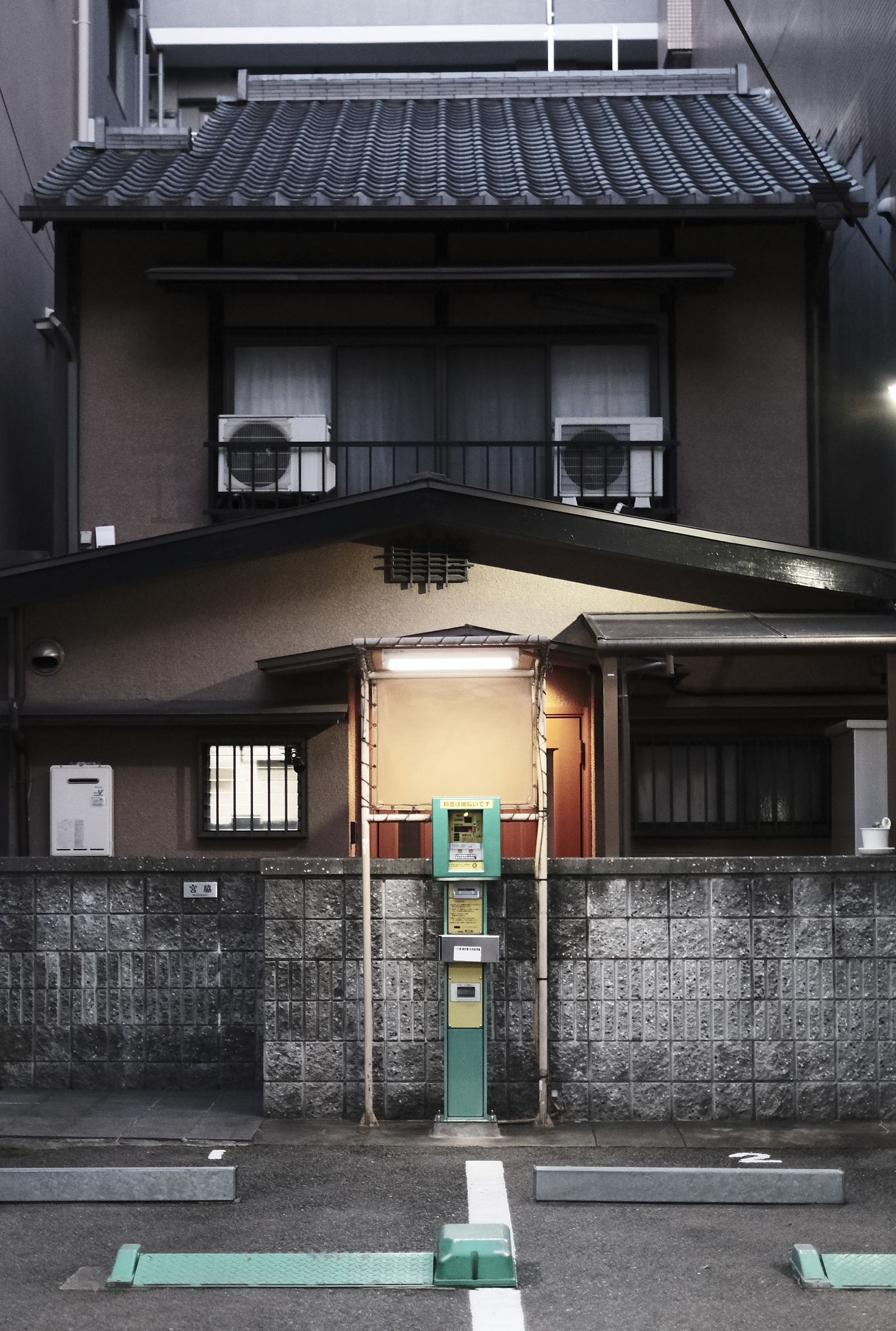
Kyoto's 2026 policy direction included enhanced subsidies for renovation and preservation work. The typology often includes narrow street frontages, timber construction, internal passage spaces, courtyards, and layered transitions between public and private rooms. This is where the story moves from announcement to experience. The subject is interpreted through repeated choices: what gets emphasized, what becomes optional, what is standardized, and what remains dependent on individual judgment. Skilled carpenters and craftspeople are also part of the preservation infrastructure because traditional timber buildings cannot be maintained through policy documents alone.
The central tension is between atmosphere and legibility. A space can be theatrical without becoming confusing, and it can preserve traces of history without freezing them into décor. The best interventions make the relationship between old and new easy to feel even when it is not explicitly explained. For Kyoto's effort to preserve and adapt machiya townhouses, the tension is particularly visible in the economic benefits of adaptive reuse and the risk of turning living neighborhoods into heritage products. That tension is productive when it leads to better choices and clearer expectations rather than simply producing another layer of marketing language or speculation.
Old Structure, New Behavior
Adaptive reuse can generate income that supports maintenance, but tourism-oriented conversion can also change neighborhood life if local housing is displaced. Fire safety, seismic performance, insulation, plumbing, accessibility, and contemporary services can be difficult to add without damaging original fabric. Those details also define the boundary of what can responsibly be claimed. Preservation success should be measured not only by building counts but by resident continuity, craft capacity, safety, and the diversity of uses that remain possible. An editorial reading can still be enthusiastic, skeptical, or aesthetically engaged without turning uncertainty into certainty.
Commercial identity adds another layer. A memorable interior has to photograph well, but it also has to function for staff, repeat visitors, maintenance, storage, circulation, and changing programs. The image is only one moment in a much longer operational life. The point is not to remove pleasure from the story. It is to make the pleasure more durable by separating what has been demonstrated from what is merely possible, and by recognizing that users and audiences bring different needs, tastes, and tolerances to the same idea.

What the Project Leaves Behind
The preservation problem is therefore both architectural and economic: a building is more likely to survive when someone has a sustainable reason to care for it. Kyoto's next decade will show whether expanded support can make retention more attractive than demolition for ordinary owners, not only prestige projects. Seen this way, the subject is not a finished verdict but a snapshot of a system in motion. Products will be reformulated, software will be updated, series will continue, stores will age, and cultural labels will change; the useful editorial task is to identify which underlying choices are likely to remain meaningful when that happens.
The project is most convincing when the concept can be read in use rather than only in photographs. A room that helps people understand where to pause, gather, browse, listen, or retreat has translated an idea into architecture. A machiya survives most convincingly when heritage is not the opposite of daily life but the structure that allows daily life to continue. The strongest takeaway is therefore not a command to buy, believe, visit, or predict. It is a clearer understanding of why this moment matters now and what evidence will matter next.