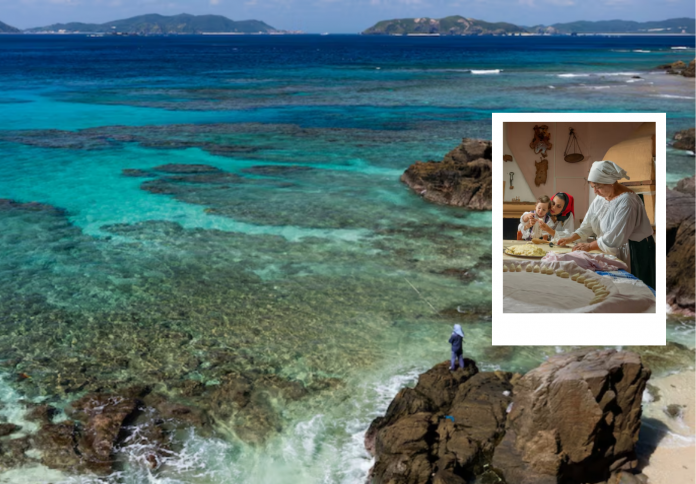
In five globally dispersed regions—Okinawa in Japan; Sardinia in Italy; Ikaria in Greece; the Nicoya Peninsula in Costa Rica; and Loma Linda, California—people routinely live remarkably long, healthy lives. Known as “Blue Zones,” these areas share lifestyle patterns steeped in purpose, plant‑based diets, natural movement, and close social ties. Rather than relying on supplements or extremes, their practices offer grounded lessons in longevity.
Origins of the concept and the five original zones
The term “Blue Zones” emerged in the early 2000s when National Geographic explorer Dan Buettner and demographers identified regions where centenarians and disease‑free aging were unusually common. Alongside Belgian demographer Michel Poulain, they initially singled out Sardinia, and later expanded the list to include Okinawa, Nicoya, Ikaria, and Loma Linda—a Seventh‑day Adventist community in California. These places were found to share remarkably high rates of people over 90 and over 100, living with vitality and minimal chronic illness.

Despite differences in culture and geography, the identification of these five regions emerged from deep demographic analysis and later qualitative interviews with residents. In time, a sixth community—Singapore—was developed intentionally as a certified “Blue Zone,” though it differs from the five organically evolved zones.
The Power 9 habits shared by Blue Zone inhabitants
Across these regions, researchers distilled nine lifestyle habits—collectively known as the “Power 9”—that appear essential to healthy aging:
- Natural movement in daily life, through walking, gardening, or manual tasks.
- Sense of purpose, whether called ikigai (Okinawa) or plan de vida (Nicoya).
- Regular stress reduction routines, such as relaxation, naps, prayer, or social time.
- Eating until about 80% full (known as hara hachi bu in Okinawa).
- Primarily plant‑based diet, rich in vegetables, legumes, nuts, and whole grains.
- Moderate alcohol intake, most commonly a glass of red wine with meals.
- Strong social networks, including faith groups or communal support circles.
- Family‑first ethos, with elders integrated into family life and households.
- Right social circles, where healthy behaviors are the norm.
These patterns unite very different cultures under a scaffold of lived coherence—with intentional diets, consistent movement, ethical moderation, and tight-knit social support.
Diet, movement, and moderation in everyday living

In Okinawa, the diet centers on sweet potatoes, green vegetables, tofu, seaweed, and herbal teas—rarely exceeding basic caloric needs, earning praise for their high antioxidant content and longevity associations.
Ikaria and Sardinia favor Mediterranean staples—olive oil, beans, local vegetables, dairy from goats, and moderate wine consumption. Physical movement is built into daily routines—farming, walking hilly roads, or garden work. In Nicoya, corn, beans, and squash (the “three sisters”) define meals, accompanied by warm interpersonal values. Adventists in Loma Linda prioritize vegetarian or largely plant‑based meals, daily rest, and community rituals.

Crucially, people limit food intake using traditions like hara hachi bu, avoid overeating, and rarely indulge in processed foods. Alcohol consumption is modest—often one to two glasses of wine shared among friends, reinforcing social cohesion more than intoxication.
Social bonds, purpose, and the broader context of longevity

Blue Zone communities emphasize belonging—whether through religious gatherings, purpose-driven moais (Okinawan time-tested support groups), or multigenerational living. These connections foster emotional resilience, reduced stress, and a sense of meaning. People in these zones are comparatively less sedentary, experience lower rates of heart disease and cognitive decline, and often lead lives rooted in community continuity.
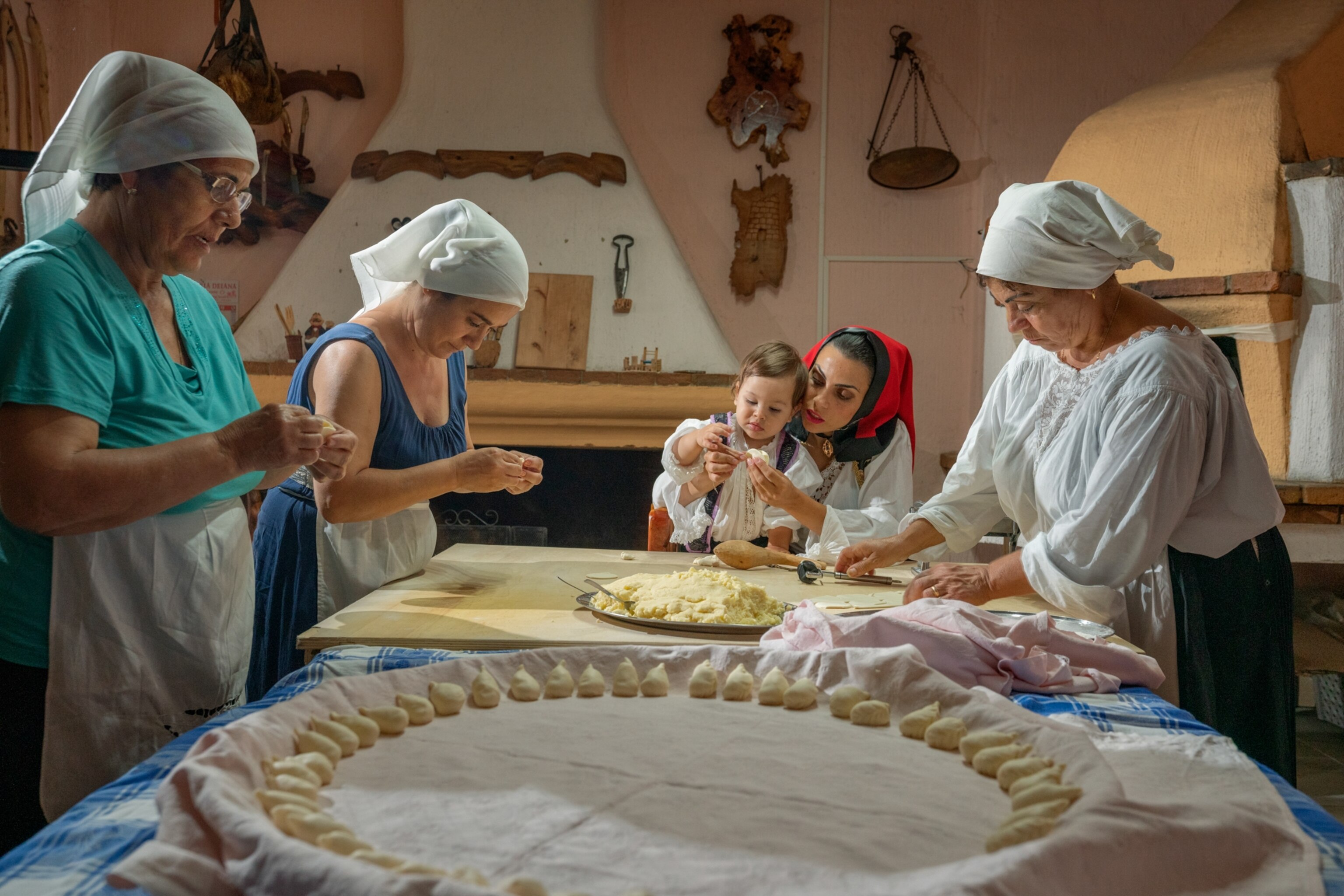
Importantly, genetics appear to account for only about 20–30% of lifespan variance; most of the longevity advantage is rooted in environment and lifestyle. The Blue Zones model offers proof of concept: healthy aging is accessible through deliberate, communal choices more than individual extremes.
Why Blue Zones offer a global template for longevity
These regions are more than curiosities—they present a replicable blueprint of longevity grounded in ordinary routines rather than novelty behaviors. Cities from Minnesota to Texas have adopted Blue Zone principles through community health initiatives, aiming to embed healthy defaults into design, public space, and food systems.

The allure of Blue Zone travel and retreats, inspired by Buettner’s National Geographic work, has grown—drawing people eager to experience these lifestyle philosophies directly. Yet the model remains simple: step outside for a walk, share meals, eat plants, connect with others, and slow down. Where built environments support these choices, longevity becomes not just an outcome—but a lived design.
Blue Zones teach us that long life is less about pharmacology and more about daily patterns. Through plant-forward diets, purposeful movement, mindful eating, nourishing relationships, and cultural rituals, these communities remind us that aging well is collaborative, simple, and grounded in the rhythms of human connection.