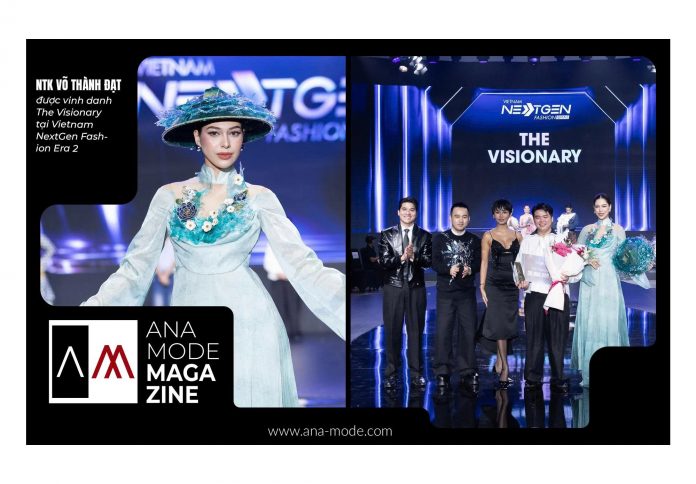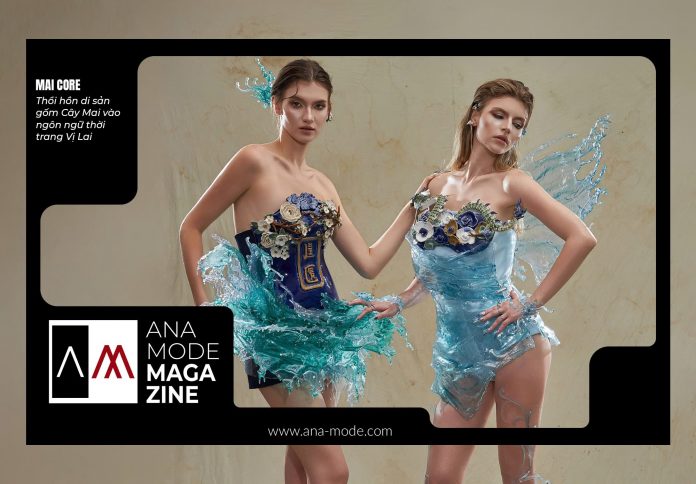
Lấy cảm hứng từ gốm Cây Mai – dòng gốm mỹ nghệ từng phát triển rực rỡ ở Nam Bộ vào cuối thế kỷ XIX, đầu thế kỷ XX, MAI CORE là bộ sưu tập tốt nghiệp của Võ Thành Đạt (Leighton Vo). Với 12 thiết kế, MAI CORE mở đầu định hướng sáng tạo của thương hiệu LEICER, kết nối di sản Việt với thời trang đương đại.
Tiếp cận di sản bằng góc nhìn của thời trang vị lai
Thay vì tái hiện nguyên bản những giá trị của gốm Cây Mai, Võ Thành Đạt lựa chọn tiếp cận di sản bằng góc nhìn của thời trang vị lai. MAI CORE tránh lối kể câu chuyện về quá khứ như một ký ức đã khép lại, mà đặt ra khả năng để những giá trị truyền thống tiếp tục tồn tại và được tái sinh trong bối cảnh của tương lai.
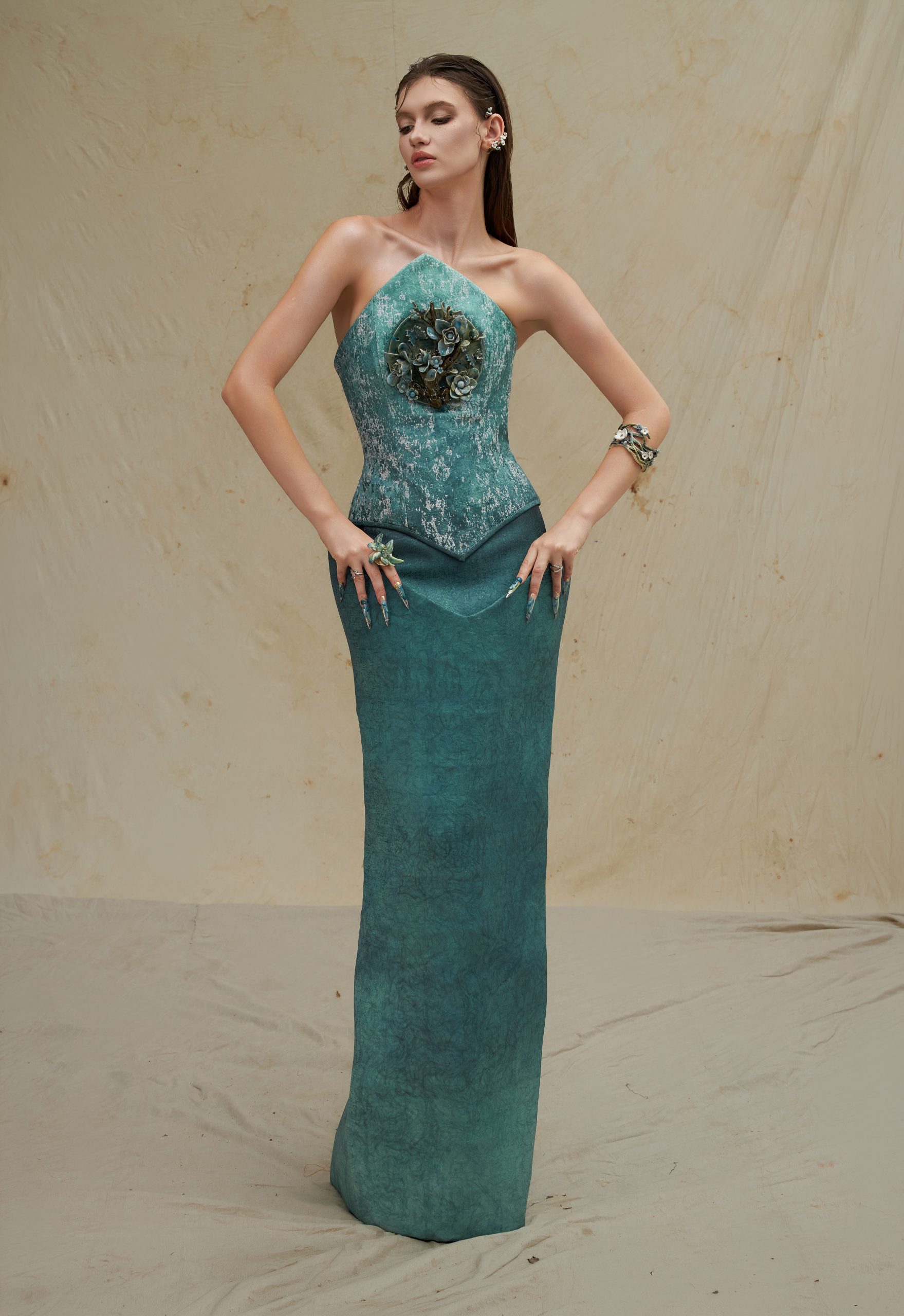
Được phát triển từ quá trình nghiên cứu các đặc trưng tạo hình của gốm Cây Mai, bộ sưu tập khai thác nhiều yếu tố đặc sắc như sắc men xanh ngọc, họa tiết rồng, hoa mai, ngói âm dương, Long Môn, công hoa, hệ thống hoa văn kiến trúc, quần thể tiếu tượng và nghệ thuật Vũ Miếu. Những chi tiết vốn gắn liền với gốm mỹ nghệ được chuyển hóa thành các đường nét, cấu trúc và phom dáng mang tính điêu khắc, tạo nên ngôn ngữ thiết kế vừa đậm bản sắc văn hóa vừa mang hơi thở của tương lai.
Đưa chất liệu gốm thủ công vào cấu trúc trang phục đương đại
Một trong những điểm nhấn của MAI CORE là việc đưa chất liệu gốm thủ công vào thời trang theo cách hoàn toàn mới. Các chi tiết gốm được chế tác thủ công một cách tỉ mỉ, kết hợp cùng chất liệu resin cùng nhiều vật liệu hiện đại nhằm tạo nên những bề mặt giàu kết cấu và mang lại hiệu ứng thị giác vô cùng mạnh mẽ cho người xem.
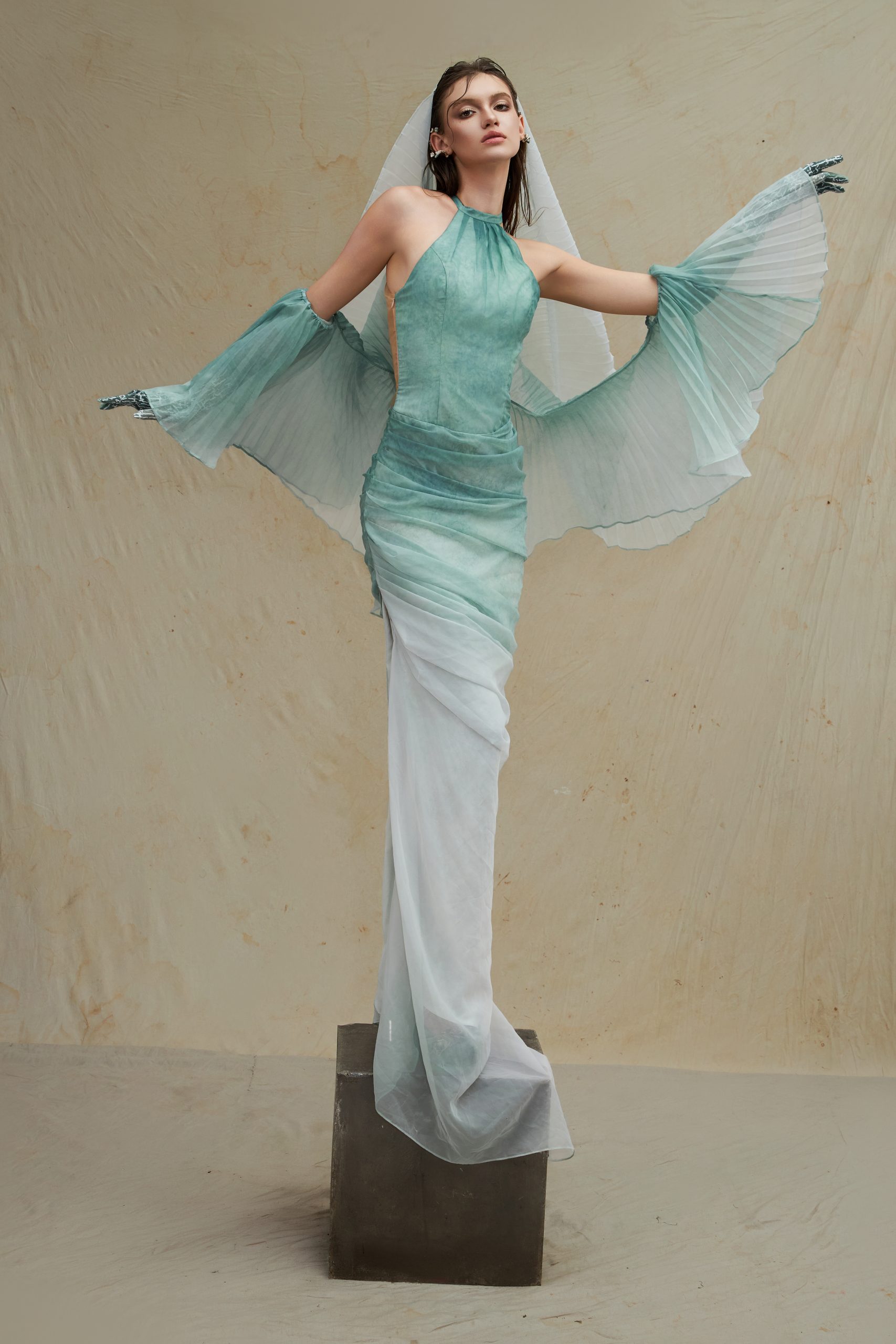
Thay vì chỉ đóng vai trò trang trí bề mặt thuần túy, gốm giờ đây trở thành một phần hữu cơ gắn liền với cấu trúc phom dáng của trang phục. Sự chuyển hóa táo bạo này góp phần tái hiện trọn vẹn tinh thần mỹ nghệ lâu đời, đồng thời định hình một diện mạo mới cho dòng chảy thời trang đương đại thông qua tư duy xử lý chất liệu đầy sáng tạo.
Mở rộng trải nghiệm trình diễn thông qua việc ứng dụng công nghệ
Bên cạnh sự độc đáo về mặt chất liệu, bộ sưu tập còn mở rộng tối đa trải nghiệm trình diễn của người xem thông qua việc ứng dụng công nghệ hiện đại. Hệ thống hiệu ứng ánh sáng LED, cơ cấu chuyển động vật lý cùng hiệu ứng khói được tích hợp khéo léo trên một số thiết kế, giúp trang phục tương tác nhịp nhàng với không gian sân khấu.
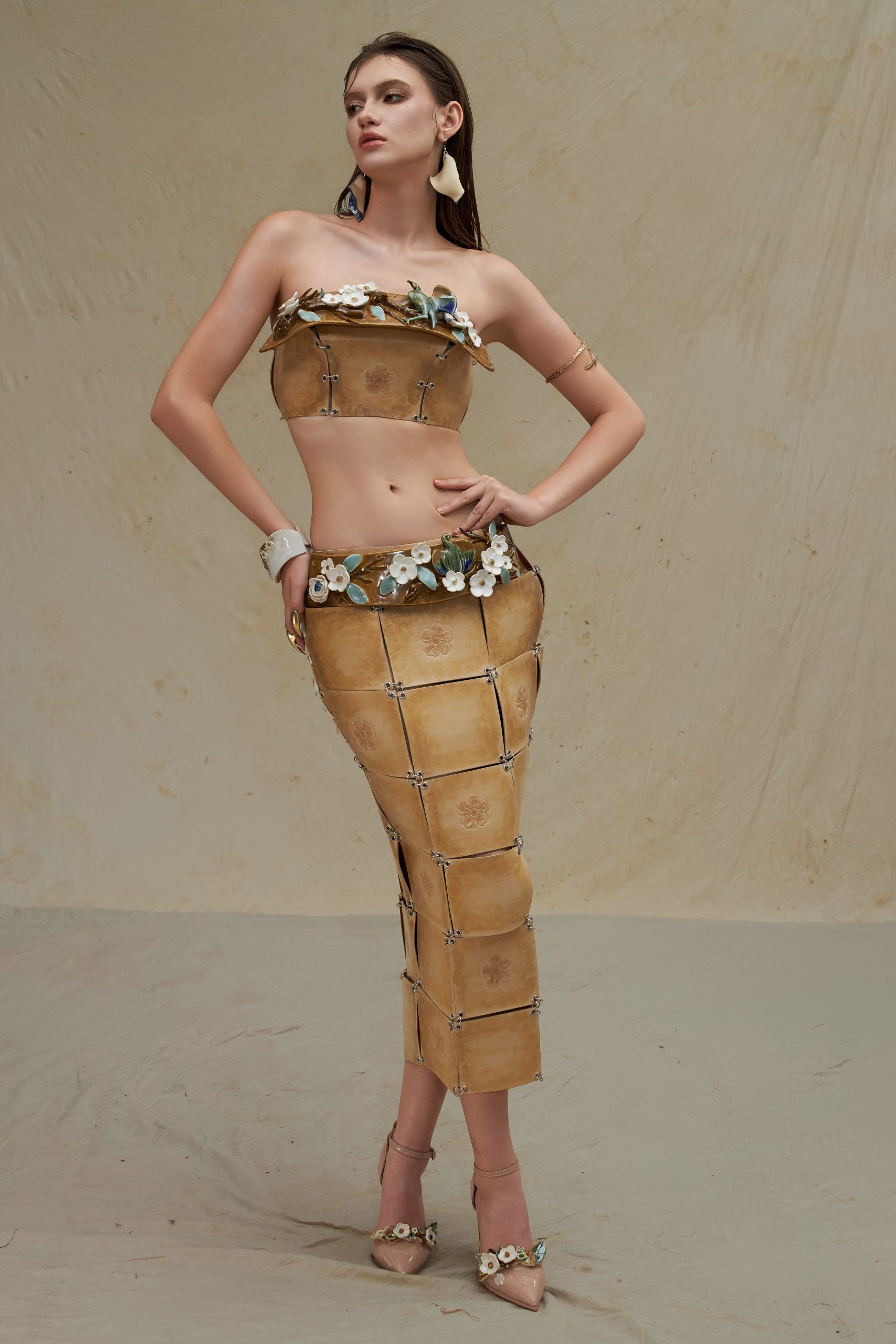
Sự giao thoa giữa yếu tố thủ công truyền thống và giải pháp kỹ thuật tiên tiến giúp tạo nên một không gian nghệ thuật đa giác quan đầy lôi cuốn. Sự kết hợp này góp phần nhấn mạnh và làm nổi bật tinh thần vị lai mà thương hiệu LEICER kiên trì theo đuổi ngay từ bộ sưu tập đầu tay này.
Nền móng vững chắc định hình bản sắc thương hiệu LEICER
Đối với Võ Thành Đạt, MAI CORE vừa là dự án tốt nghiệp ý nghĩa, vừa là nền móng vững chắc để xây dựng thương hiệu LEICER. Ngay từ màn chào sân, thương hiệu lựa chọn di sản văn hóa Việt Nam làm nguồn cảm hứng cốt lõi, đồng thời tiếp cận bằng tư duy thiết kế hiện đại thay vì tái hiện truyền thống theo lối quen thuộc. “Mỗi thiết kế đều được xem như một ‘mảnh ký ức’ được tái sinh, nơi giá trị thủ công được đặt trong đối thoại với công nghệ và nghệ thuật trình diễn. MAI CORE chính là cách tôi kể lại câu chuyện di sản bằng ngôn ngữ thời trang, để những giá trị tưởng chừng thuộc về quá khứ có thể tiếp tục đồng hành cùng hiện tại và tương lai”, nhà thiết kế Võ Thành Đạt bày tỏ.
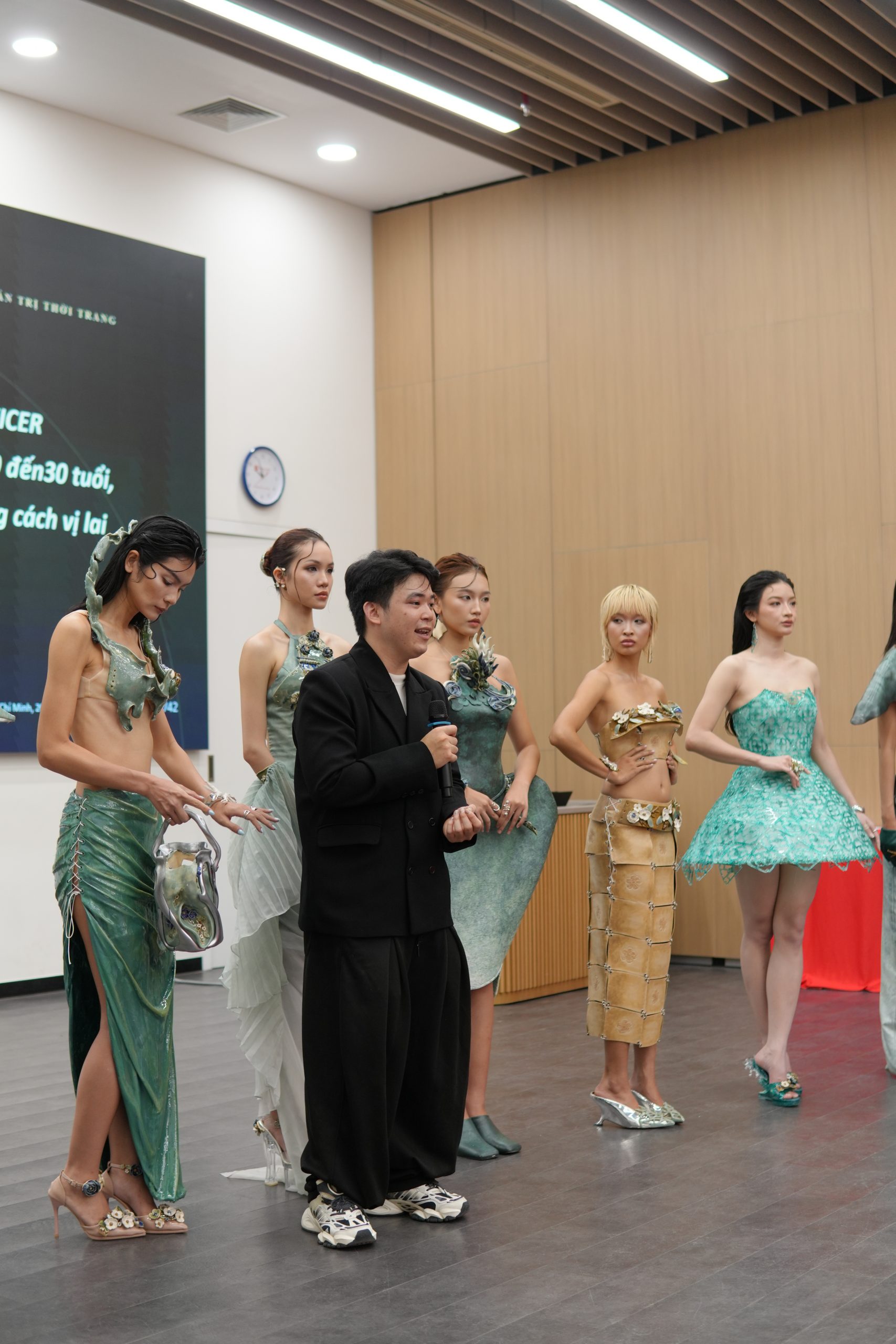
MAI CORE vừa giới thiệu một ngôn ngữ thiết kế mới, vừa thể hiện định hướng phát triển lâu dài của thương hiệu: đưa những giá trị văn hóa Việt Nam bước ra khỏi không gian lưu giữ, trở thành nguồn cảm hứng sáng tạo có khả năng kết nối với công chúng đương đại. Qua đó, bộ sưu tập mở ra một góc nhìn mới về mối quan hệ giữa di sản và thời trang, nơi truyền thống vừa được bảo tồn vừa tiếp tục được phát triển và kể lại bằng ngôn ngữ của tương lai.
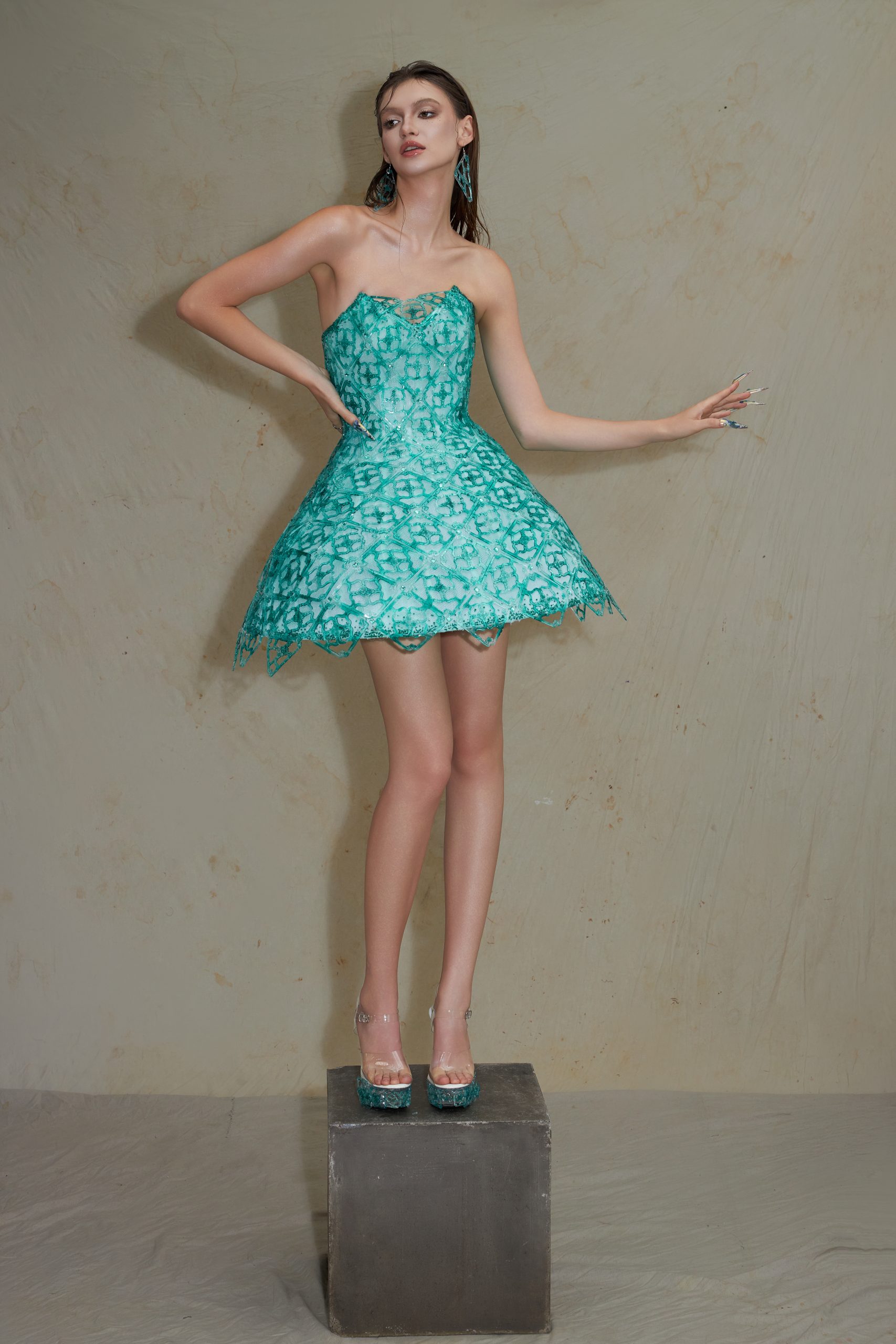
Với vai trò là bộ sưu tập đầu tay của LEICER, MAI CORE đánh dấu bước khởi đầu cho hành trình xây dựng bản sắc của thương hiệu. Bên cạnh việc khai thác vẻ đẹp của gốm Cây Mai, bộ sưu tập còn cho thấy cách di sản có thể hòa quyện cùng tư duy thiết kế đương đại và công nghệ trình diễn, góp phần lan tỏa giá trị văn hóa Việt Nam bằng một ngôn ngữ sáng tạo mới.
CREDITS:
Founder & Creative Director: Võ Thành Đạt (Leighton Vo) – LEICER
Academic Supervisor: TS. Nguyễn Thị Trâm Anh
Ceramic Partner: Gom Concept
Press & Media: Lê Trần Đắc Ngọc
Image Production: Edge Studio Team
Make Up & Hair: Uyên Thảo Team, Huỳnh Duyên Team
Special Thanks: Trần Thị Yến Oanh cùng gia đình, Trần Bích, Trần Thiên Quang, Phát Trần, Nguyễn Khôi, An Thanh Tran.