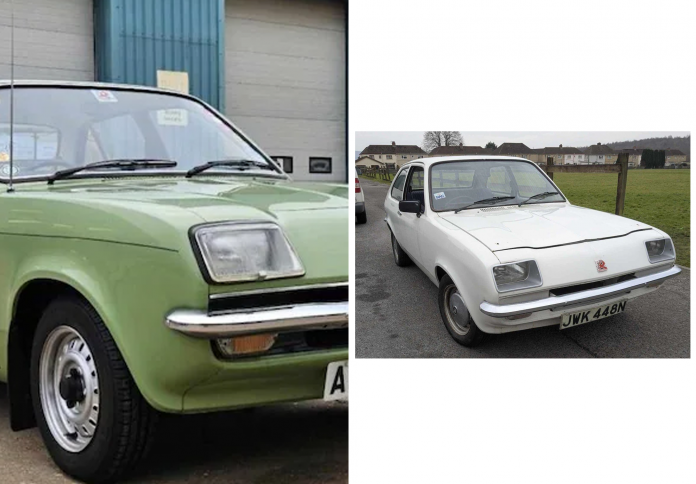
Launched 50 years ago, the Vauxhall Chevette L was Britain’s most popular hatchback in the late 1970s. It played a crucial role in preserving Vauxhall’s design independence during a turbulent automotive era, and today, only 75 remain on the roads.
A lifeline for Vauxhall in a changing industry
On May 2, 1975, Vauxhall launched a model that would come to define the brand’s survival through the decade. The Chevette was Britain’s most popular hatchback until 1978, at a time when the company faced increasing pressure from General Motors, its parent company, to shift towards rebadged Opel designs. The stakes were high: Autocar described the car as “Vauxhall’s last chance of existence as an independent car-designing and producing unit.”
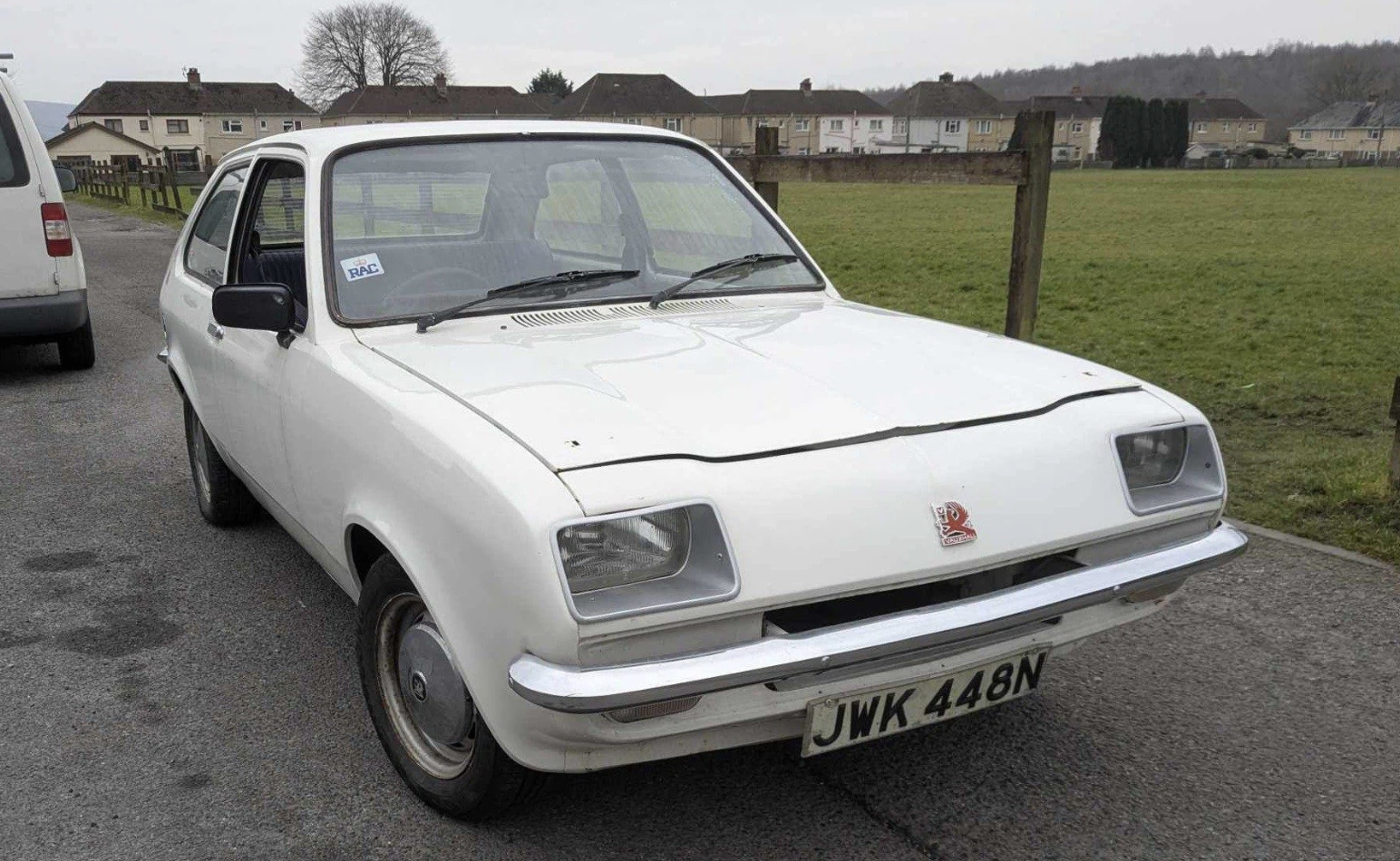
The Chevette was born from GM’s global T-car programme, which controversially retained a rear-wheel-drive layout just as front-wheel drive became standard for small family cars. Opel’s German version, the Kadett C, had debuted in 1973, while Vauxhall battled internal challenges. The Chevette combined the 1,256cc engine from the Viva HC with several Opel components, yet the body design was developed in-house, marking a bold step for the Luton-based firm. Wayne Cherry, Vauxhall’s head of styling, crafted the distinctive “shovel nose” front end, emphasizing the importance of a unique face for the car despite its shared underpinnings.
Distinctive styling and ambitious marketing
Vauxhall prepared extensively for the Chevette’s launch. In late 1973, a customer clinic in London surveyed 700 guests who viewed nine models, with many seeing the Viva HC as outdated despite its youth. They predicted the Chevette would appeal to drivers aged 30 to 35. The car made a splash at the 1975 Geneva Motor Show, followed by a creative dealer launch featuring a musical at the New London Theatre.
The marketing targeted an audience aged 28 to 44, promoting the Chevette as versatile and fun: “It’s a lover; it’s a playpen, it’s a camper by the sea.” Its practicality was highlighted by a boot big enough to carry “a small St Bernard.” Formula One champion James Hunt even became a brand ambassador, promoting the Chevette Economy Grand Prix with a substantial prize. Showrooms were encouraged to play the “Chevette theme” and screen promotional films, while actor Rodney Bewes drove the car in the film The Likely Lads spin-off.
Despite some early criticism of the prototype’s Spartan interior, Vauxhall introduced a relatively well-equipped L version featuring fitted carpets, a heated rear window, a clock, and a sports steering wheel. This version provided a touch of “first-class travel” for a modest price, cementing the Chevette’s appeal in the marketplace.
Expanding the range and legacy today
The Chevette line quickly grew beyond the hatchback. By 1976, two- and four-door saloons, an estate, and the Bedford-badged Chevanne light commercial vehicle were available. The Chevanne, touted as “smart enough for Knightsbridge,” featured low-compression engines requiring only two-star fuel and plush interiors with carpeting and cloth seats. One owner, Bill Lewis, rescued a 1977 Chevanne from near scrapping and has since driven it extensively, attesting to its durability.
In 1976, the Chevette E was introduced as a stripped-down economy model to compete with Ford’s Escort Popular. Though basic, it promised practical features like a protective load mat and a deep parcel shelf, appealing to budget-conscious buyers.
By 1979, the Chevette received minor updates, including flush-fitting headlights. That same year, Vauxhall launched the front-wheel-drive Astra Mk1, yet the Chevette remained in production until 1984. This was partly to reassure unions concerned about factory jobs at Ellesmere Port, which might have been lost if production shifted entirely to Opel kits.
Today, the Chevette is a rare sight on UK roads. Of the more than 415,000 built, only 75 L models are believed to remain. Even fewer Chevannes survive, with estimates as low as 14. These surviving vehicles are cherished by enthusiasts as icons of a pivotal era in British automotive history.
A vital chapter in Vauxhall’s history
The Chevette was much more than just a popular hatchback. It represented a last stand for Vauxhall’s independent design identity before the brand became more reliant on Opel models. The car’s bold styling, practical versatility, and clever marketing helped restore confidence in the company during a challenging period.
As Richard Kemp’s 50-year-old Chevette L reminds us, this modest hatchback was crucial in helping Vauxhall emerge from a sales slump. The Telegraph once noted that Vauxhall was “pinning a lot of hope to the Chevette to help get the company out of its dismal sales trough.” Vauxhall’s own words summed it up perfectly: “We’ve got a beauty…”