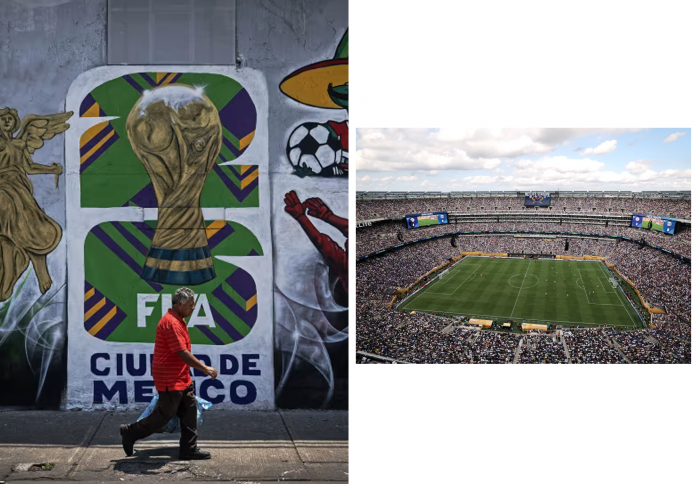
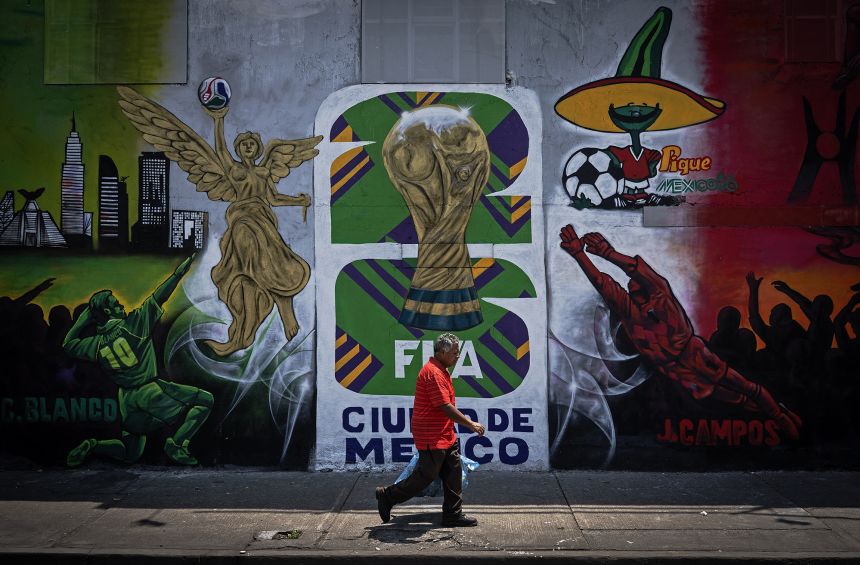
With the 2026 FIFA World Cup—set to be the largest edition ever with 48 teams—fast approaching, the race to secure a seat at the global soccer spectacle has begun. This landmark tournament is the first to be hosted across three nations—the US, Canada, and Mexico—and will feature 104 matches across sixteen cities. Securing tickets requires navigating a structured, multi-phase process designed by FIFA to manage what is expected to be unprecedented global demand. Fans must first register for a FIFA ID and be aware of the key dates for the randomized draws and sales windows, as securing a spot in this historic, expanded celebration of international soccer will depend on preparedness and a bit of luck.
The Phased Approach: Navigating the Sales Windows
Tickets for the 2026 World Cup are being released in three distinct phases, each offering a different window and method for fans to secure their seats. The process began with the First Phase, a presale draw open to individuals aged 18 and older who registered for a FIFA ID and possessed a Visa card. This entry period closed in mid-September, with successful applicants chosen via a random selection process and notified shortly thereafter.
Those selected were then given a specific time slot, starting from early October, to purchase tickets for all 104 matches on a first-come, first-served basis. The Second Phase, known as the “Early Ticket Draw,” is expected to open its registration window in late October. Similar to the initial phase, successful applicants will be chosen through a randomized draw and assigned a purchase slot, likely scheduled for mid-November through early December. The final Third Phase, the “Random Selection Draw,” will commence only after the tournament’s groups and full schedule are determined by the draw on December 5, allowing fans to submit applications for specific matches once the final matchups are known.
Pricing and the Final Destination
The cost of attending the tournament reflects the magnitude of the event and the demand for international soccer’s ultimate prize. Prices for group stage match tickets are set to begin at an affordable . However, the cost quickly escalates for premium matches and highly desired seats, peaking at for the final.
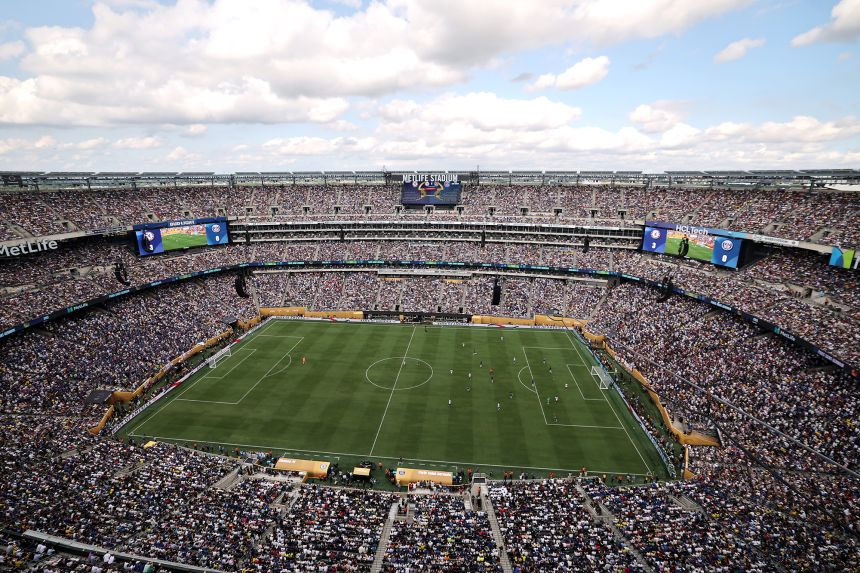
This ultimate match—the climax of the expanded 48-team tournament—is scheduled to be played at MetLife Stadium in New Jersey. The pricing strategy aims to balance accessibility for early-stage matches with the high-value placement of the final, which is expected to draw a record-breaking crowd and global interest. For those unable to secure standard tickets through the initial draws, official hospitality tickets for some venues are already available, offering an alternative, high-end viewing experience.
Managing Extraordinary Demand and Technical Hurdles
As is often the case with the launch of massive global events, the initial launch of the FIFA World Cup presale draw experienced technical difficulties. Users reported long wait times, being stuck in virtual waiting rooms, and being unexpectedly kicked off the official site. Despite these issues, a FIFA spokesperson confirmed that the extraordinary demand would not affect a fan’s chance of success, emphasizing that the timing of entry into the draw during the open period did not impact a fan’s likelihood of being selected, as the process is randomized.
FIFA acknowledged that demand for tickets was “extraordinary” and was the cause of the initial extended wait times. This high demand is a direct result of the tournament’s immense scale and its presence across three major North American nations. To combat unauthorized resale and protect fans from invalid tickets, FIFA also announced plans to organize an official resale platform closer to the start of the tournament, though its availability will be subject to federal and local regulations in the host countries.