The arrival of generative AI has sent shockwaves through academia, sparking familiar debates about cheating and the erosion of critical thinking. But a new study reveals a more complex and troubling story. Research from the University of Pittsburgh shows that beyond the academic concerns, AI is having a significant emotional and interpersonal effect on students, who are feeling anxious, confused, and distrustful in the classroom. The presence of AI is not just changing how students learn; it is fundamentally altering their relationships with their peers and instructors, creating an uncomfortable new reality that students are struggling to navigate with few clear guidelines.
Navigating a New Reality
The study, based on a series of focus groups with 95 students, found that AI has become an unavoidable part of campus life, even for those who aren’t active users. While many students expressed positive views of AI as a tool to help them study or get feedback, some even calling it a less intimidating alternative to office hours, these feelings were often coupled with a sense of unease. Students described feelings of guilt or shame about using AI, worrying that they would come across as lazy or unethical.

A primary source of this anxiety is the lack of clear rules around AI use. Students expressed a sense of confusion and uncertainty, lamenting that professors and peers were “not on the same page.” This ambiguity leaves students feeling vulnerable, forcing them to make difficult judgments about what is and isn’t acceptable in a shifting academic landscape.
The Breakdown of Trust
The most profound impact of AI, according to the research, is the erosion of trust in the classroom. Students reported feelings of frustration and distrust toward peers they suspected of being overly reliant on AI. In group projects, a classmate’s AI use was seen as a “giant red flag” that made them “think less” of their peers, often leading to resentment and increased work for the more responsible students.
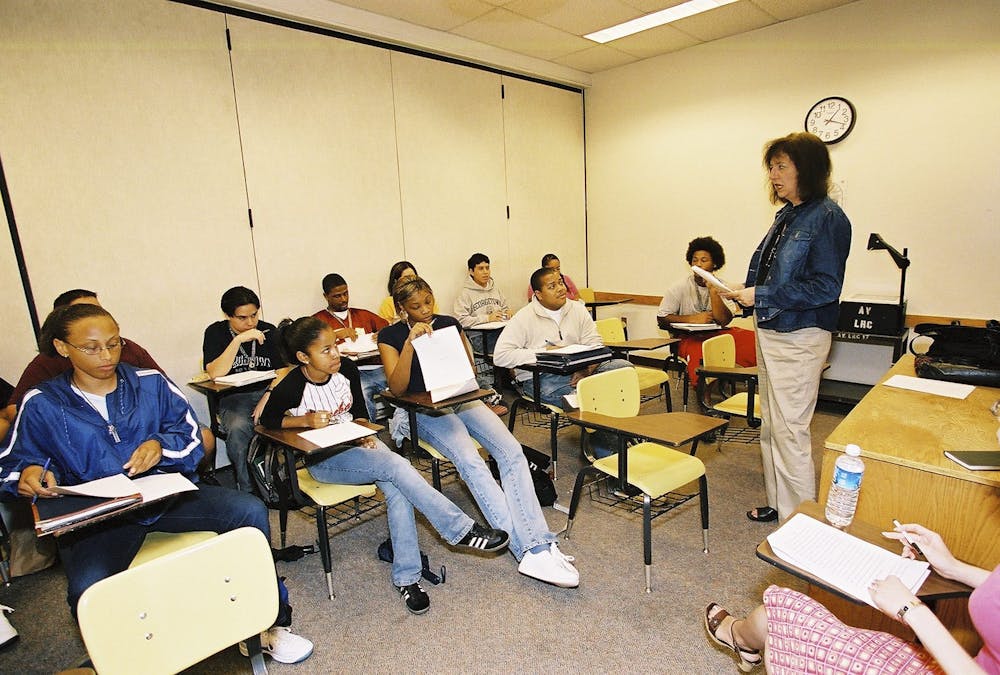
This distrust also extends to the student-teacher relationship. Learners shared fears of being left behind if others used chatbots to get better grades, creating an emotional distance and wariness. Students also expressed anxiety over baseless accusations of using AI, fearing they might be caught in a system that assumes guilt. The very possibility that a student might have used an AI tool is now undercutting the fundamental trust required for a healthy classroom environment.
Implications for Education and Policy
The study’s findings highlight a critical challenge for academic institutions: the interpersonal and emotional toll AI is taking on students. Academic engagement is not just about coursework; it relies on positive relationships with instructors and peers. If students are avoiding these vital connections because of their discomfort with AI’s presence, their overall success could be at risk. The study’s authors argue that simply banning AI isn’t the solution. Instead, universities should consider alternative pathways for connection.

This could include incentivizing faculty to hold more frequent office hours, promoting faculty-led research opportunities, or doubling down on in-person courses and events to foster a sense of community. The research suggests that the conversation around AI must move beyond academic integrity and into the realm of mental and emotional well-being.
Flipping the Script
Ultimately, the research aims to disrupt the simplistic trope of students who use AI as “cheaters.” Instead, it tells a more complex story of students being thrust into a new reality with few clear guidelines and little control. The findings make it clear that students are ready to talk about the impact of AI on their futures.

As generative AI continues to pervade everyday life, the way we relate to this technology is increasingly affecting how we relate to one another. Understanding these evolving interpersonal dynamics is crucial for educators who want to help students feel more comfortable connecting with their peers and faculty in the face of this powerful, new technology.