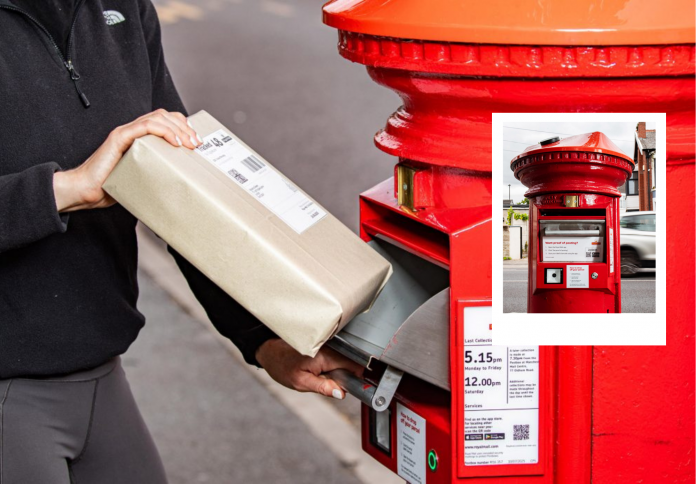
Royal Mail has made a bold move, described as “the biggest redesign in its 175-year history.” Britain’s iconic red postbox has been fitted with solar-powered technology to adapt to the e-commerce boom. More than just a place to send a letter, these new postboxes can now handle larger parcels, becoming an integral part of the modern logistics system. This change is not just a functional upgrade; it is a statement about how a traditional institution can embrace the future while preserving its centuries-old cultural heritage. It’s an innovative blend of the past and present that’s bringing a fresh perspective to Britain’s streets.
From Historic Legacy to Technological Present

The red pillar box has been an essential part of the UK’s streetscape since 1853. This iconic symbol, with its distinctive red paint and classic design, has endured for generations, witnessing many ups and downs in history. Millions of Britons have grown up with this familiar sight, considering it an inseparable part of their culture and daily life.
However, in an increasingly digital world where traditional mail is giving way to emails and messages, the role of the red postbox is being challenged. The explosion of e-commerce and online marketplaces has created a massive parcel market. To avoid being left behind, Royal Mail needed a revolution. As managing director Jack Clarkson stated, “We are all sending and returning more parcels than ever before. This trend will only continue as online shopping shows no signs of slowing, particularly with the boom of second-hand marketplaces.”
Reinventing an Icon: The Power of the Sun

This reinvention is more than a minor facelift. At its core, it’s an ambitious technological integration. The new postboxes are fitted with solar panels on their roofs, oriented due south to optimize energy absorption. The energy generated powers a built-in barcode scanner. When a user wants to send a larger parcel, they simply scan the barcode on the item to open a digitally activated drawer.
The drawer is large enough to hold a parcel the size of a shoebox. A separate slot is still maintained for traditional letters, ensuring that the legacy of the red postbox isn’t completely lost. With 3,500 new solar-powered postboxes to be rolled out, Royal Mail is transforming a symbol of the past into a modern tool serving the needs of the 21st century.
Adapting to Compete: A Bold Statement
The primary objective of this innovation is to help Royal Mail compete in the parcel market. Their competitors, such as InPost and Yodel, have found success with their parcel locker models, offering users convenience and flexibility. By equipping its postboxes with the ability to handle parcels, Royal Mail is expanding its services and attracting a large new customer base.

According to Royal Mail, the redesign of the iconic postbox is a crucial strategy to maintain its position in the market. This isn’t just an engineering project; it’s a statement. Royal Mail is proving that it is not merely a traditional postal service but a formidable contender in the logistics sector of the digital economy.
Successful Trials and Nationwide Rollout
This idea was not a rushed decision. The project underwent successful pilot schemes in Hertfordshire and Cambridgeshire. Positive feedback from the first users solidified the decision to roll out the new postboxes nationwide.
The first cities to benefit from this innovation include Edinburgh, Manchester, Nottingham, Sheffield, and Sunderland. Gradually, the solar-powered postboxes will appear across Britain, becoming part of the modern urban landscape. This blend of heritage and technology has created a wave of excitement, showing that even the most long-standing symbols can find a new role in a world that is constantly changing.
The Rise of Innovation and Creativity
This project also highlights a shift in Royal Mail’s design efforts. In addition to issuing commemorative stamps, Royal Mail is now focusing on using technology to enhance the customer experience. Collaborations with artists like Alex Chinneck to create playful distorted postboxes in Bristol, or stamp collections celebrating cultural events, are efforts to maintain brand relevance.
But the new solar postbox project is the most significant leap. It’s not just a minor improvement; it’s a revolution in mindset. Royal Mail has demonstrated that to survive and thrive, it must continuously innovate, blending its valuable heritage with technological advancements to best serve the needs of the public.