Despite a slowdown in the broader luxury market and ongoing global economic uncertainties, Swiss luxury powerhouse Richemont, owner of Cartier and other prestigious brands, reported better-than-expected earnings for its fiscal fourth quarter. The group’s success highlights how high-end jewelry continues to attract the world’s wealthiest consumers even as other luxury segments face pressure.

Richemont defies luxury slowdown with jewelry sales surge
In the three months ending March, Richemont’s revenues climbed 7% year-on-year at constant exchange rates, reaching €5.17 billion ($5.79 billion), beating analyst expectations of €4.98 billion. The strong results propelled Richemont’s shares up nearly 7%, pushing the company to the top of the Stoxx 600 index.
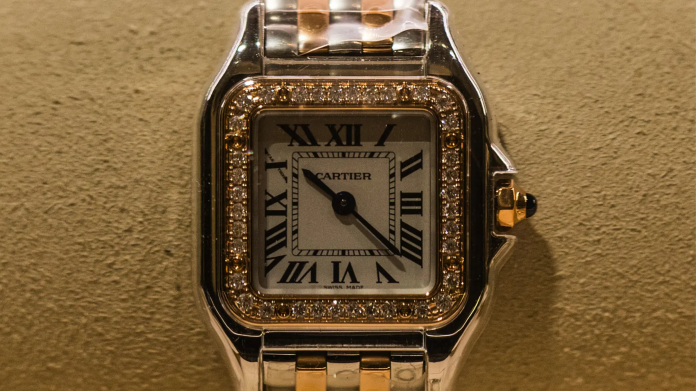
The growth was largely fueled by Richemont’s Jewellery Maisons division, home to iconic names such as Cartier, Van Cleef & Arpels, and Buccellati. This segment saw double-digit sales increases, underscoring the continued appetite among wealthy buyers for finely crafted, prestigious jewelry pieces.
However, the group’s specialist watchmakers division, which includes Piaget and Roger Dubuis, experienced a decline in sales, primarily due to weak demand in the Asia-Pacific region. Watches, traditionally a staple of luxury portfolios, have struggled amid shifting consumer preferences and market saturation.
Regional sales reflect uneven global luxury demand
Richemont’s full-year sales rose 4% to €21.4 billion, slightly surpassing analyst forecasts of €21.34 billion. While growth was recorded across most regions, Asia-Pacific (excluding Japan) faced notable challenges. China, Richemont’s largest market, saw sales drop 23%, highlighting ongoing economic and geopolitical tensions affecting consumer confidence.
In contrast, Japan showed impressive growth, with sales surging 25% in actual exchange rates. The increase was driven by robust domestic demand and a rebound in tourist spending, supported by a weaker yen that made luxury goods more accessible.
Richemont Chairman Johann Rupert described the overall performance as “robust,” citing strong momentum in both jewelry sales and the company’s “Other” segment, which includes its pre-owned watch retailer, Watchfinder & Co. Nevertheless, Rupert warned that global uncertainties require continued “strong agility and discipline” from the company.
Navigating headwinds with pricing power and product mix
Market analysts at BofA Global Research have identified key challenges facing Richemont: rising gold prices, U.S. tariffs, and foreign exchange volatility, especially the strong Swiss franc against the weak U.S. dollar. These factors collectively put pressure on profit margins and pricing strategies.
Yet, BofA analysts remain optimistic, noting Richemont’s ability to leverage its pricing power as a significant advantage. “We think price will cover half the headwinds,” they stated, pointing to the company’s capacity to offset challenges through pricing, product mix, and increased operational efficiency.
Earlier in the year, Richemont had announced its “highest ever” quarterly sales at €6.2 billion, even as Chinese demand faltered. That milestone had sparked hopes for a broader luxury sector recovery. However, renewed fears around U.S. trade tariffs and global economic uncertainties have since tempered expectations, threatening consumer spending on discretionary luxury items worldwide.
What Richemont’s success means for the luxury market
Richemont’s results illustrate a growing divergence within the luxury market: while overall sector growth may be slowing, the most affluent consumers continue to prioritize jewelry purchases, especially from top-tier brands known for quality and exclusivity.
This trend could signal a strategic shift for luxury groups increasingly reliant on jewelry as a growth driver, even as other categories, like watches, face prolonged softness. Richemont’s ability to navigate macroeconomic challenges through pricing discipline and product innovation may set it apart as the luxury market adapts to new consumer realities.
As the global landscape evolves, Richemont’s earnings serve as a reminder that in luxury, brand strength and product desirability remain the keys to resilience — especially when the stakes are high and shoppers seek the very best.